
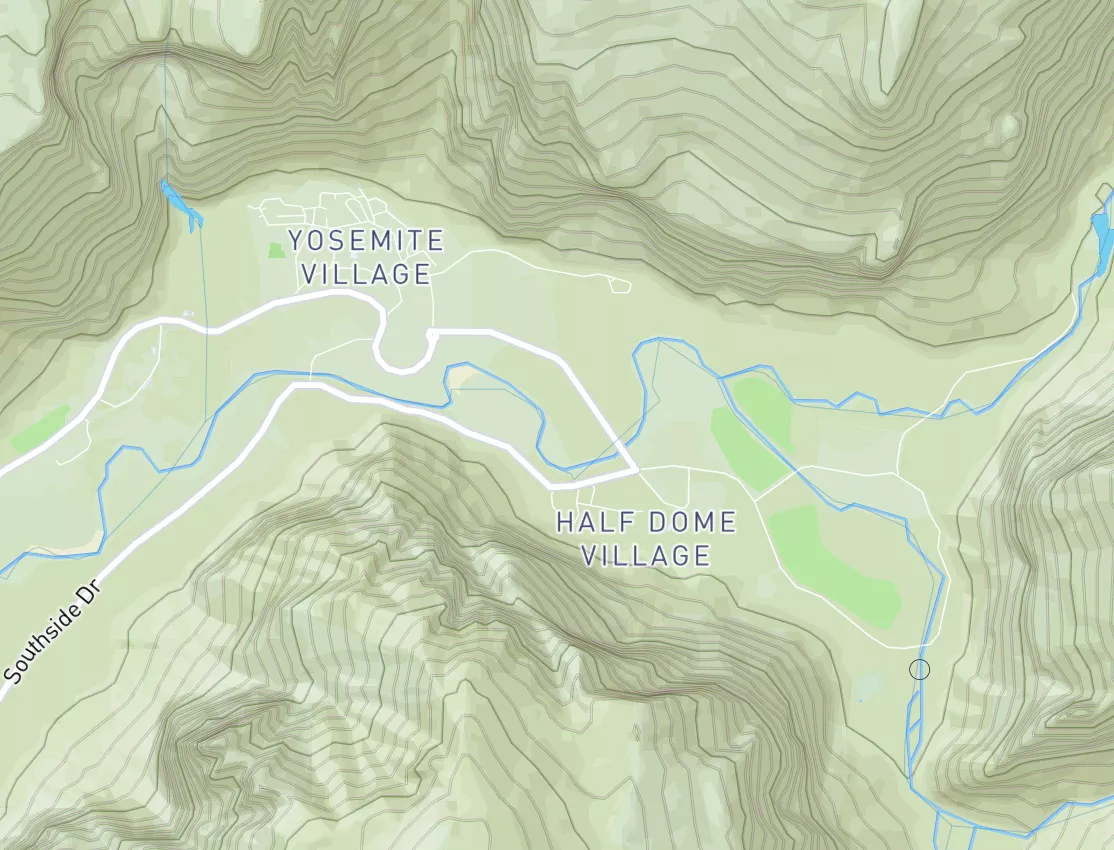

Hyde/Turk Mini Park
Last Updated: April 24, 2026
Leave a Rating°F
°F
mph
Wind
%
Humidity
Hyde/Turk Mini Park is a small urban green space nestled in San Francisco's Tenderloin neighborhood, California.
Summary
Though compact and not a traditional nature park, it offers a peaceful respite with benches, trees, and art installations. Known mainly for its role in community revitalization, it lacks wildlife, trails, or natural scenery like waterfalls or dark skies. Open year-round with no entry fee, it’s best visited during daylight hours. This pocket park is ideal for a quick rest, people-watching, or experiencing local urban art—serving more as a cultural stop than a nature destination.
15-Day Long Term Forecast
5-Day Hourly Forecast Detail
Park & Land Designation Reference
Large protected natural areas managed by the federal government to preserve significant landscapes, ecosystems, and cultural resources; recreation is allowed but conservation is the priority.
State Park
Public natural or recreational areas managed by a state government, typically smaller than national parks and focused on regional natural features, recreation, and education.
Local Park
Community-level parks managed by cities or counties, emphasizing recreation, playgrounds, sports, and green space close to populated areas.
Wilderness Area
The highest level of land protection in the U.S.; designated areas where nature is left essentially untouched, with no roads, structures, or motorized access permitted.
National Recreation Area
Areas set aside primarily for outdoor recreation (boating, hiking, fishing), often around reservoirs, rivers, or scenic landscapes; may allow more development.
National Conservation Area (BLM)
BLM-managed areas with special ecological, cultural, or scientific value; more protection than typical BLM land but less strict than Wilderness Areas.
State Forest
State-managed forests focused on habitat, watershed, recreation, and sustainable timber harvest.
National Forest
Federally managed lands focused on multiple use—recreation, wildlife habitat, watershed protection, and resource extraction (like timber)—unlike the stricter protections of national parks.
Wilderness
A protected area set aside to conserve specific resources—such as wildlife, habitats, or scientific features—with regulations varying widely depending on the managing agency and purpose.
Bureau of Land Management (BLM) Land
Vast federal lands managed for mixed use—recreation, grazing, mining, conservation—with fewer restrictions than national parks or forests.
Related References
Area Campgrounds
| Location | Reservations | Toilets |
|---|---|---|
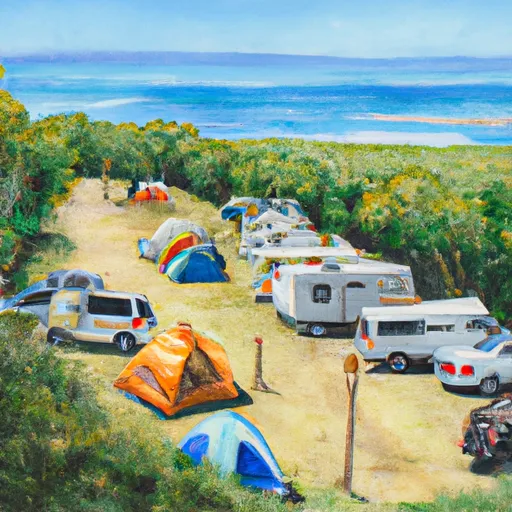 Aquatic Park Cove
|
||
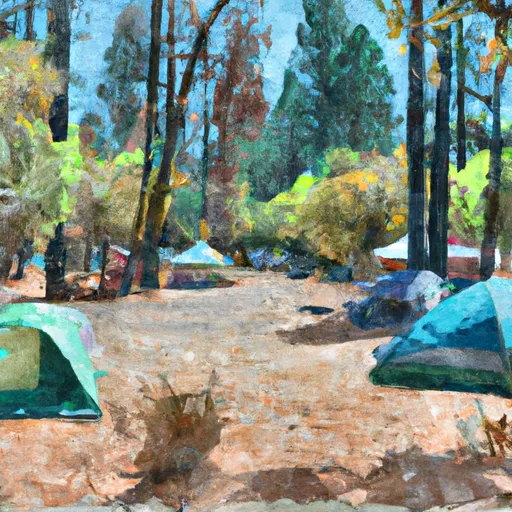 Rob Hill Campground
|
||
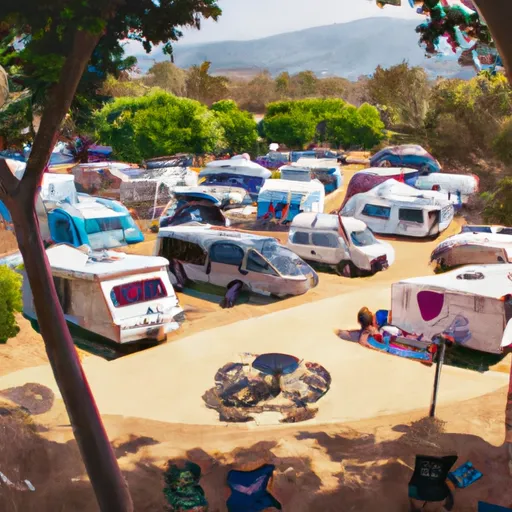 Candlestick RV Park
|
||
 Kirby Cove Campground
|
||
 Ridge Sites
|
||
 Sunrise Sites - Pre Booking Required
|
 Sgt John MaCaulay Park
 Father Arthur E. Boeddeker Park
 Union Plaza
 Howard/langton Mini Park
 Union Square Park
 Continue with Snoflo Premium