

Imperial Refuge Wilderness
Last Updated: April 23, 2026
Leave a Rating°F
°F
mph
Wind
%
Humidity
Imperial Refuge Wilderness is a vast wilderness area located in the southwestern region of Arizona, covering over 25,000 acres of land.
Summary
There are several good reasons to visit this wilderness, such as its unique and diverse landscapes, which include desert, mountains, and riparian areas. Visitors can explore the area on foot, bike, or horseback, with numerous hiking trails available.
Some specific points of interest to see in the Imperial Refuge Wilderness include the Imperial Sand Dunes, which are the tallest dunes in the United States, and the Algodones Dunes, which are known for their unique geological features. Visitors can also explore the wildlife and plant species that reside in the area, such as the endangered Yuma clapper rail and the ocotillo plant.
Interesting facts about the Imperial Refuge Wilderness include its history of human habitation, with evidence of Native American settlements dating back centuries, as well as its role as a popular filming location for movies and TV shows, such as Star Wars.
The best time of year to visit the Imperial Refuge Wilderness is during the cooler months, from late fall to early spring, as temperatures can reach up to 120 degrees Fahrenheit during the summer months. Visitors should also be aware of the area's remoteness and come prepared with plenty of water and supplies.
15-Day Long Term Forecast
5-Day Hourly Forecast Detail
Park & Land Designation Reference
Large protected natural areas managed by the federal government to preserve significant landscapes, ecosystems, and cultural resources; recreation is allowed but conservation is the priority.
State Park
Public natural or recreational areas managed by a state government, typically smaller than national parks and focused on regional natural features, recreation, and education.
Local Park
Community-level parks managed by cities or counties, emphasizing recreation, playgrounds, sports, and green space close to populated areas.
Wilderness Area
The highest level of land protection in the U.S.; designated areas where nature is left essentially untouched, with no roads, structures, or motorized access permitted.
National Recreation Area
Areas set aside primarily for outdoor recreation (boating, hiking, fishing), often around reservoirs, rivers, or scenic landscapes; may allow more development.
National Conservation Area (BLM)
BLM-managed areas with special ecological, cultural, or scientific value; more protection than typical BLM land but less strict than Wilderness Areas.
State Forest
State-managed forests focused on habitat, watershed, recreation, and sustainable timber harvest.
National Forest
Federally managed lands focused on multiple use—recreation, wildlife habitat, watershed protection, and resource extraction (like timber)—unlike the stricter protections of national parks.
Wilderness
A protected area set aside to conserve specific resources—such as wildlife, habitats, or scientific features—with regulations varying widely depending on the managing agency and purpose.
Bureau of Land Management (BLM) Land
Vast federal lands managed for mixed use—recreation, grazing, mining, conservation—with fewer restrictions than national parks or forests.
Related References
 Lake Martinez Military
 Senator Wash Reservoir North Shore Site
 Senator Wash Reservoir South Shore Site
 Imperial Dam Long Term
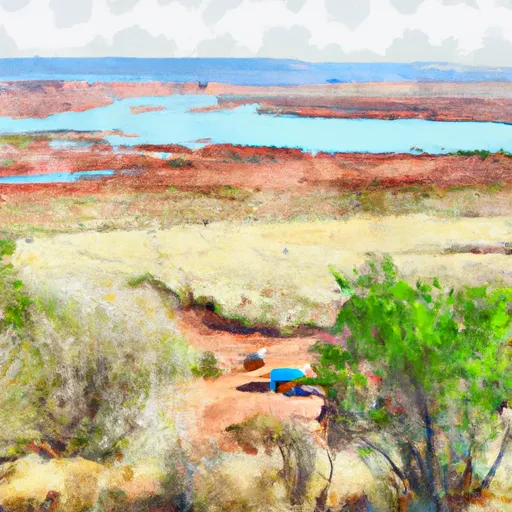 Senator Wash Reservoir South Mesa LTVA
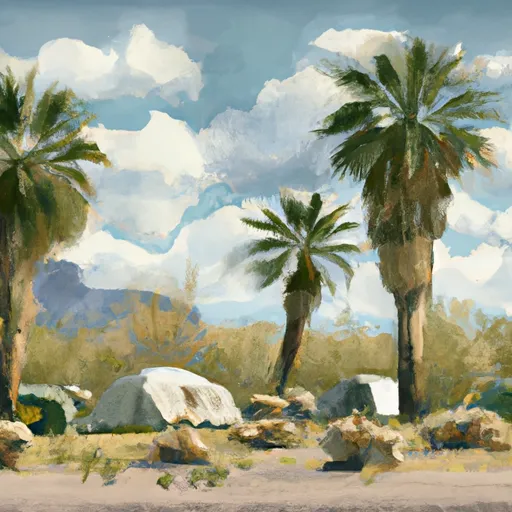 California Fan Palm
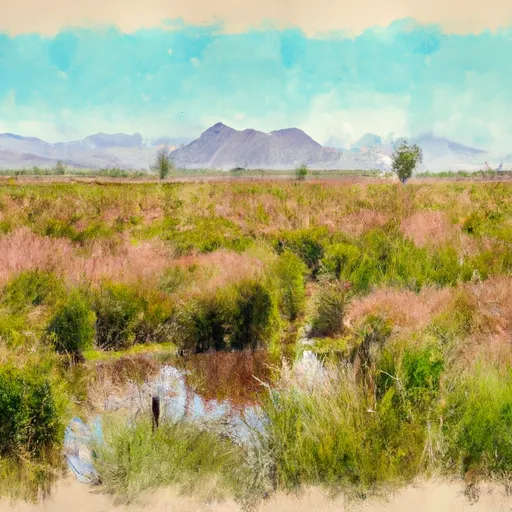 Imperial National Wildlife Refuge
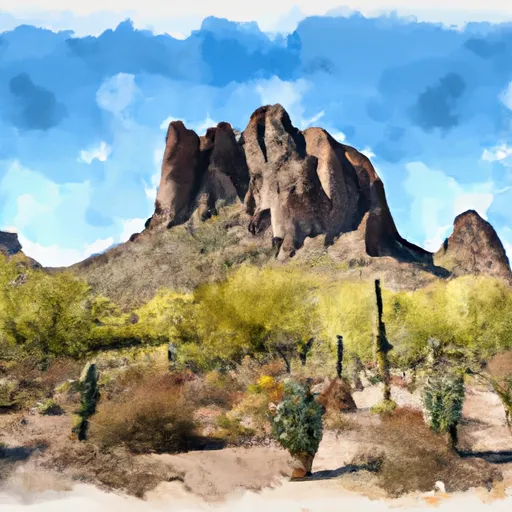 Picacho State Recreation Area
 Little Picacho Wilderness
 Trigo Mountains Wilderness
 Continue with Snoflo Premium