
O'Connor Park
Leave a RatingNearby: Del Monte Park Palm Haven Plaza
Last Updated: April 5, 2026
O'Connor Park, located in San Jose, California, is a beautiful public park that offers plenty of amenities for visitors to enjoy.
Summary
The park covers an area of 52 acres and is an ideal place for a relaxing walk, picnic, or outdoor activity.
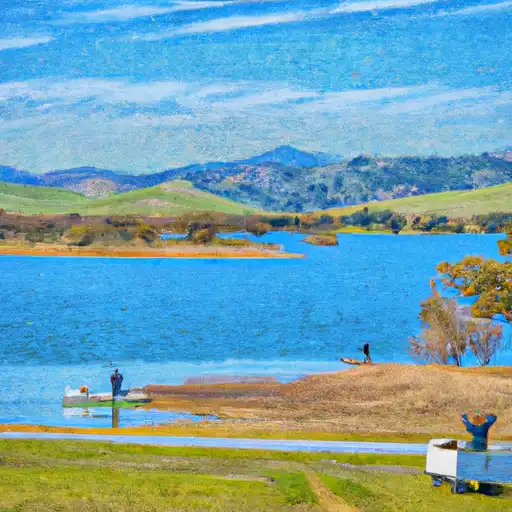
One of the main attractions of O'Connor Park is the large lake in the center, which is home to a variety of waterfowl and fish. Visitors can rent paddle boats or kayaks to explore the lake on their own or take a guided tour. The park also has several sports fields, including softball, soccer, and volleyball, as well as a playground for children.
For those interested in nature, the park has several walking trails that wind through the wooded areas surrounding the lake. There are also several picnic areas and a barbecue area, making it an ideal place for a family outing or a gathering with friends.
Interesting facts about O'Connor Park include that it was named after Maureen O'Connor, the first female mayor of San Diego, and that it was originally built as a water reservoir in 1955. The park was later opened to the public in 1962.
The best time to visit O'Connor Park is during the spring or fall when the weather is mild and the park is not too crowded. However, since the park is open year-round, visitors can enjoy its amenities at any time of the year.
°F
°F
mph
Wind
%
Humidity
15-Day Weather Outlook
5-Day Hourly Forecast Detail
Park & Land Designation Reference
Large protected natural areas managed by the federal government to preserve significant landscapes, ecosystems, and cultural resources; recreation is allowed but conservation is the priority.
State Park
Public natural or recreational areas managed by a state government, typically smaller than national parks and focused on regional natural features, recreation, and education.
Local Park
Community-level parks managed by cities or counties, emphasizing recreation, playgrounds, sports, and green space close to populated areas.
Wilderness Area
The highest level of land protection in the U.S.; designated areas where nature is left essentially untouched, with no roads, structures, or motorized access permitted.
National Recreation Area
Areas set aside primarily for outdoor recreation (boating, hiking, fishing), often around reservoirs, rivers, or scenic landscapes; may allow more development.
National Conservation Area (BLM)
BLM-managed areas with special ecological, cultural, or scientific value; more protection than typical BLM land but less strict than Wilderness Areas.
State Forest
State-managed forests focused on habitat, watershed, recreation, and sustainable timber harvest.
National Forest
Federally managed lands focused on multiple use—recreation, wildlife habitat, watershed protection, and resource extraction (like timber)—unlike the stricter protections of national parks.
Wilderness
A protected area set aside to conserve specific resources—such as wildlife, habitats, or scientific features—with regulations varying widely depending on the managing agency and purpose.
Bureau of Land Management (BLM) Land
Vast federal lands managed for mixed use—recreation, grazing, mining, conservation—with fewer restrictions than national parks or forests.
Related References
Area Campgrounds
| Location | Reservations | Toilets |
|---|---|---|
 Raymundo Campos
|
||
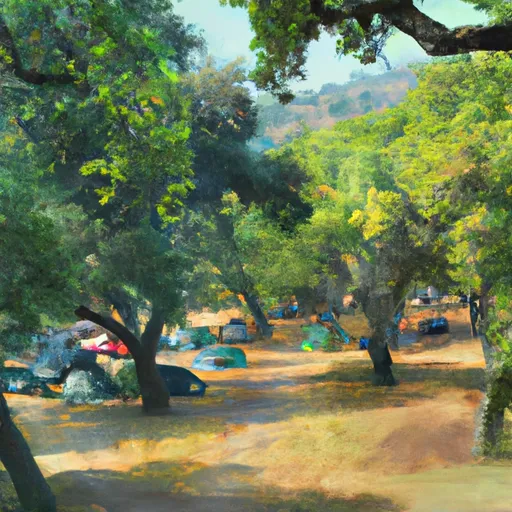 Oak Knoll Group Area
|
||
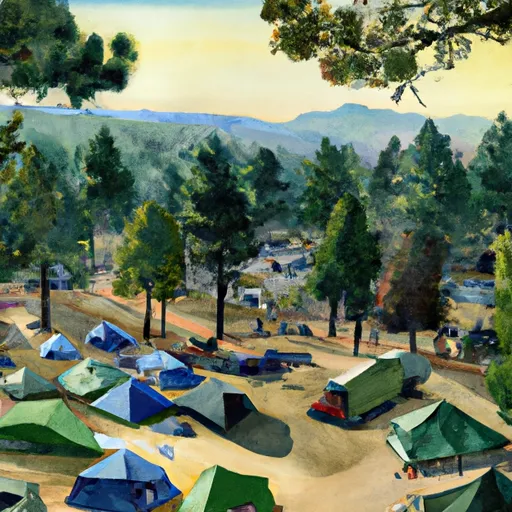 Youth Group Camp Area
|
||
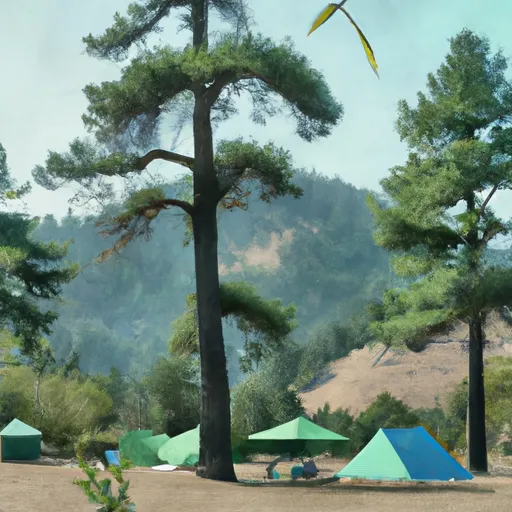 Sanborn - Skyline County Park
|
||
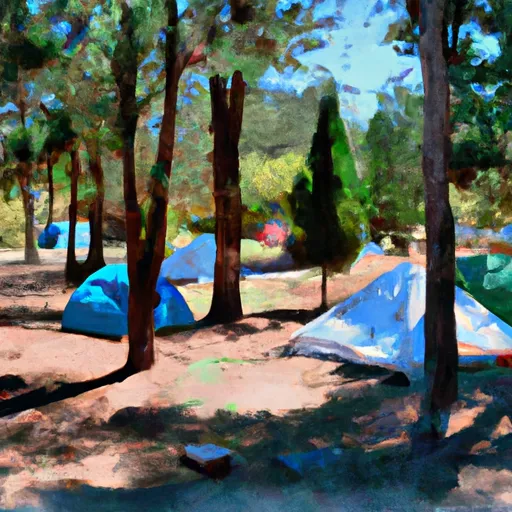 Walden West Outdoor School
|
||
 Woodland Youth Camp
|
 Del Monte Park
 Palm Haven Plaza
 Fuller Park
 Hummingbird Park
 St. Elizabeth Park
 Lexington Reservoir
 Lake Ranch Reservoir
 Coyote Creek
 Calero Reservoir