
Mount Riga State Park
Last Updated: May 5, 2026
Leave a RatingNearby: Cobble Park Taconic State Park
°F
°F
mph
Wind
%
Humidity
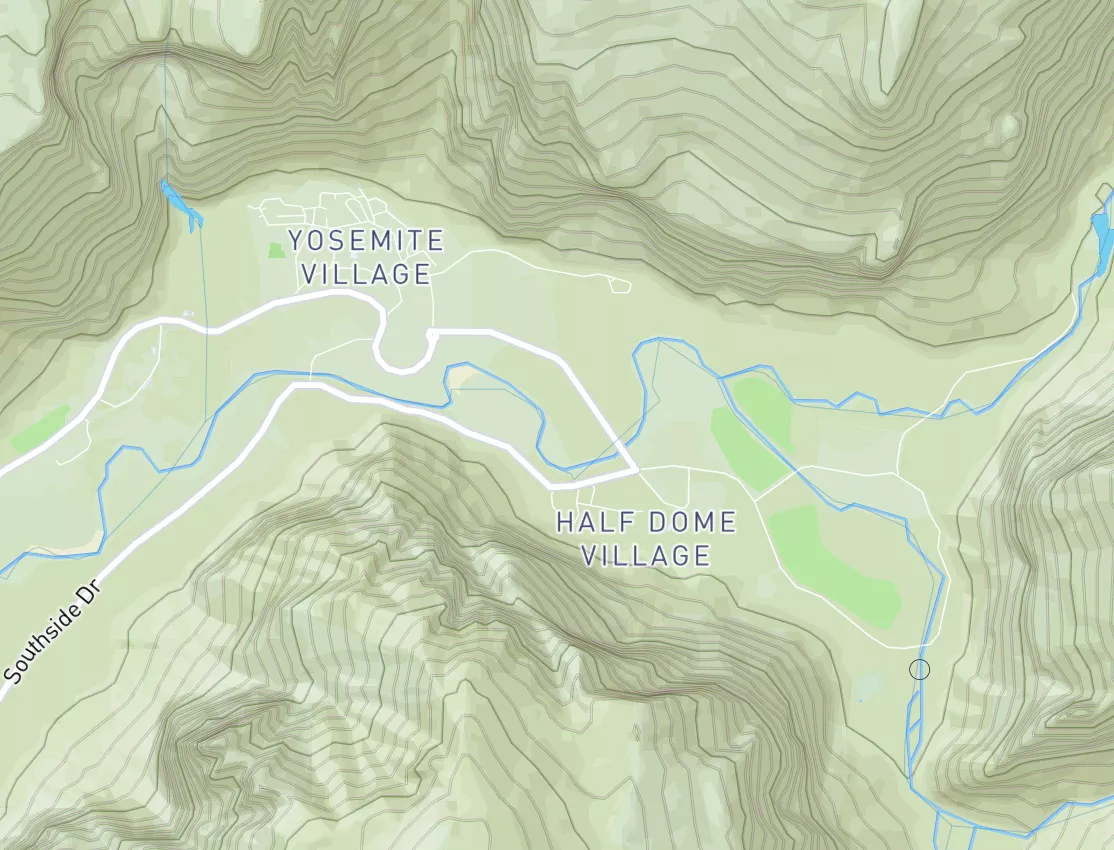
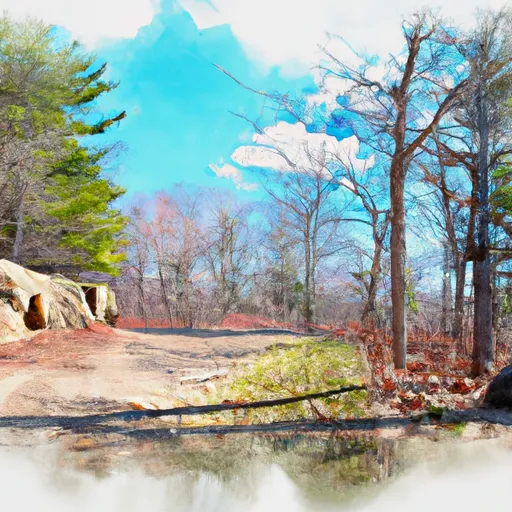
Mount Riga State Park is a scenic park located in the state of Massachusetts.
Summary
It offers many great reasons to visit, including its beautiful hiking trails, serene camping spots, and scenic views of the surrounding landscape.
One specific point of interest to see in Mount Riga State Park is the 2.5-mile Mount Riga Trail, which leads to the summit of the mountain and offers breathtaking views of the surrounding area. The park also features several other hiking trails, including the Undermountain Trail and the Appalachian Trail.
Interesting facts about the area include the park's history as a popular destination for artists and writers in the early 20th century. Georgia O'Keeffe and her husband, Alfred Stieglitz, were among the many artists who visited and found inspiration in the natural beauty of the park.
The best time of year to visit Mount Riga State Park is typically between late spring and early fall, when the weather is mild and the foliage is at its peak. However, visitors can also enjoy winter activities such as snowshoeing and cross-country skiing if they visit during the colder months.
Overall, Mount Riga State Park is a must-see destination for nature lovers and outdoor enthusiasts in Massachusetts. Its beautiful scenery, rich history, and abundance of recreational activities make it a great place to visit year-round.
15-Day Long Term Forecast
5-Day Hourly Forecast Detail
Park & Land Designation Reference
Large protected natural areas managed by the federal government to preserve significant landscapes, ecosystems, and cultural resources; recreation is allowed but conservation is the priority.
State Park
Public natural or recreational areas managed by a state government, typically smaller than national parks and focused on regional natural features, recreation, and education.
Local Park
Community-level parks managed by cities or counties, emphasizing recreation, playgrounds, sports, and green space close to populated areas.
Wilderness Area
The highest level of land protection in the U.S.; designated areas where nature is left essentially untouched, with no roads, structures, or motorized access permitted.
National Recreation Area
Areas set aside primarily for outdoor recreation (boating, hiking, fishing), often around reservoirs, rivers, or scenic landscapes; may allow more development.
National Conservation Area (BLM)
BLM-managed areas with special ecological, cultural, or scientific value; more protection than typical BLM land but less strict than Wilderness Areas.
State Forest
State-managed forests focused on habitat, watershed, recreation, and sustainable timber harvest.
National Forest
Federally managed lands focused on multiple use—recreation, wildlife habitat, watershed protection, and resource extraction (like timber)—unlike the stricter protections of national parks.
Wilderness
A protected area set aside to conserve specific resources—such as wildlife, habitats, or scientific features—with regulations varying widely depending on the managing agency and purpose.
Bureau of Land Management (BLM) Land
Vast federal lands managed for mixed use—recreation, grazing, mining, conservation—with fewer restrictions than national parks or forests.
Related References
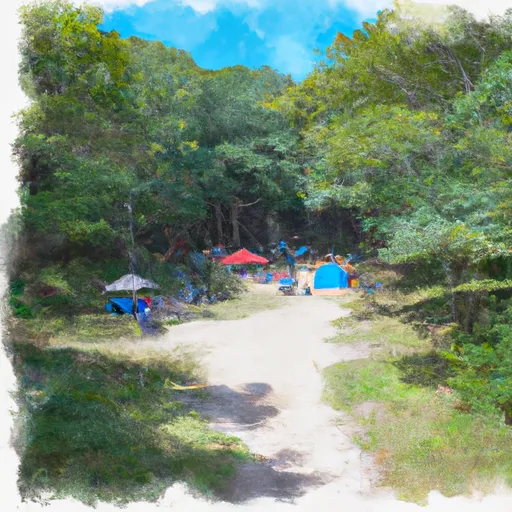 Ball Brook Group Camping Area
 Sage's Ravine Campground
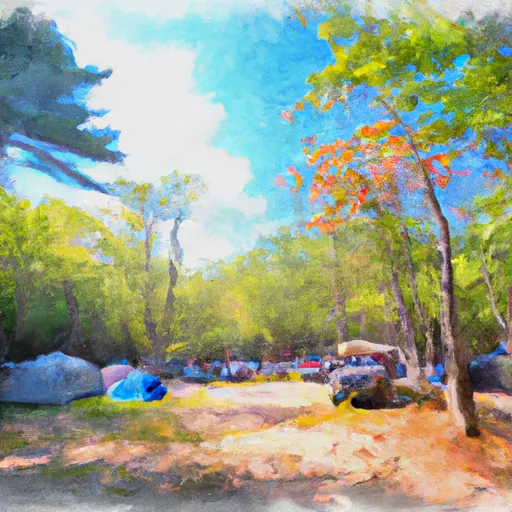 Laurel Ridge Campsite
 Rudd Pond - Taconic State Park
 Race Brook Campsites
 Copake Falls - Taconic State Park
 Cobble Park
 Taconic State Park
 Mount Everett State Reservation
 Bash Bish Falls State Park
 Eddy Field
 Lake Quassapaug
 Lower Fulton Park Pond
 Great Brook Reservoir
 Ball Pond
 Lake Lillinonah
 Continue with Snoflo Premium