
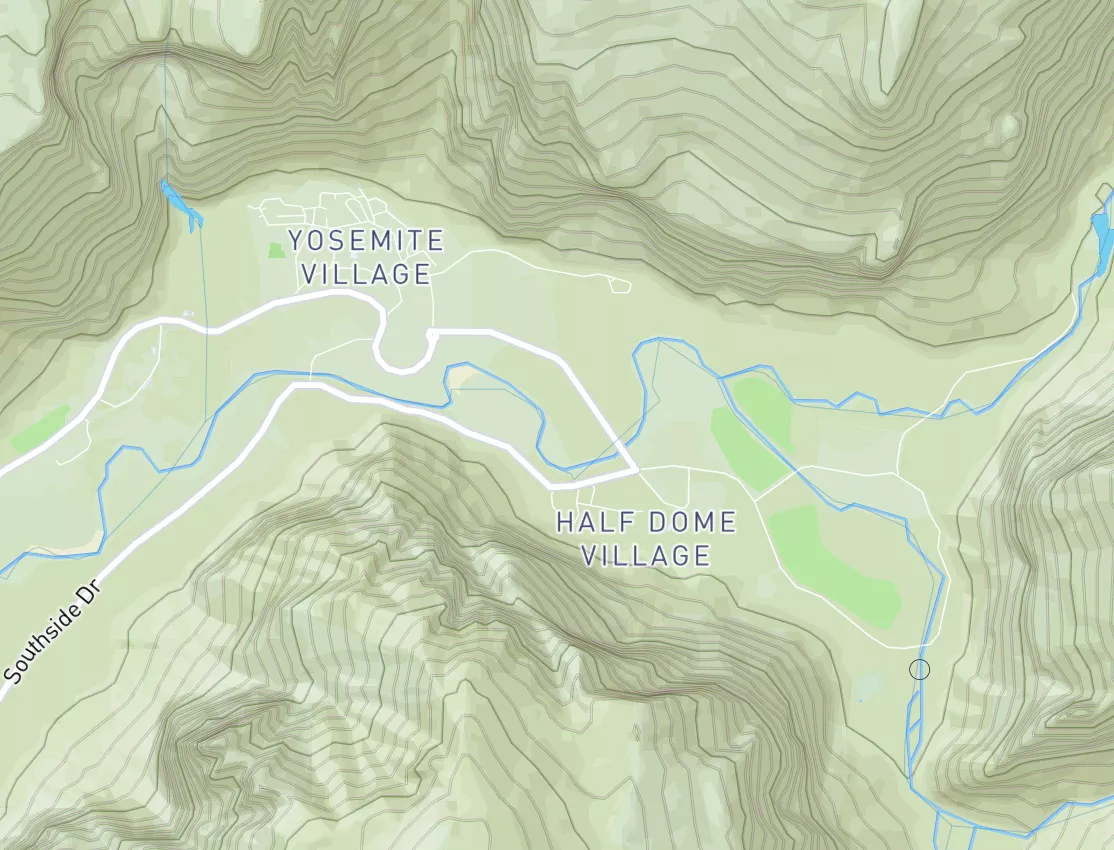

Saint John's Field
Last Updated: April 25, 2026
Leave a Rating°F
°F
mph
Wind
%
Humidity
Saint John's Field is a picturesque destination located in the state of Connecticut, known for its stunning natural beauty and abundance of attractions.
Summary
There are several compelling reasons to visit this area, including its rich history, diverse recreational opportunities, and unique points of interest.
One of the main draws of Saint John's Field is its stunning landscapes, characterized by rolling hills, vibrant meadows, and lush forests. These natural features provide an ideal setting for outdoor activities such as hiking, biking, and picnicking. Additionally, the area boasts a variety of well-maintained trails, allowing visitors to explore and immerse themselves in the surrounding beauty.
History enthusiasts will find themselves captivated by Saint John's Field's historical significance. This region played a crucial role in the American Revolutionary War, with several notable landmarks associated with this era. Visitors can explore historical sites like Putnam Memorial State Park, where General Israel Putnam led his troops during the Battle of Ridgefield in 1777.
Another fascinating point of interest in the area is Weir Farm National Historic Site. This site served as the home and workplace of American impressionist painter J. Alden Weir, making it a must-visit for art enthusiasts. Visitors can take guided tours of the historic buildings, stroll through the beautiful gardens, and even participate in various art-related activities.
For those interested in local heritage, the Keeler Tavern Museum is a remarkable place to visit. This museum showcases the history of Ridgefield through various exhibits, including artifacts, colonial-era items, and period rooms. It provides a glimpse into the town's past and offers a deeper understanding of its cultural heritage.
When planning a visit to Saint John's Field, it is important to consider the best time of year. The region experiences four distinct seasons, each offering its unique charm. Spring and fall are particularly recommended for their mild temperatures and stunning foliage, perfect for outdoor exploration and scenic drives. Summer is also a popular time, with warm weather and a multitude of outdoor events and festivals taking place. Winter brings opportunities for activities such as skiing, snowshoeing, and ice skating, making it an appealing destination for winter sports enthusiasts.
To ensure the accuracy of the information provided, it is recommended to cross-reference the details mentioned above with multiple independent sources, such as official tourism websites, travel guides, or reputable news articles.
15-Day Long Term Forecast
5-Day Hourly Forecast Detail
Park & Land Designation Reference
Large protected natural areas managed by the federal government to preserve significant landscapes, ecosystems, and cultural resources; recreation is allowed but conservation is the priority.
State Park
Public natural or recreational areas managed by a state government, typically smaller than national parks and focused on regional natural features, recreation, and education.
Local Park
Community-level parks managed by cities or counties, emphasizing recreation, playgrounds, sports, and green space close to populated areas.
Wilderness Area
The highest level of land protection in the U.S.; designated areas where nature is left essentially untouched, with no roads, structures, or motorized access permitted.
National Recreation Area
Areas set aside primarily for outdoor recreation (boating, hiking, fishing), often around reservoirs, rivers, or scenic landscapes; may allow more development.
National Conservation Area (BLM)
BLM-managed areas with special ecological, cultural, or scientific value; more protection than typical BLM land but less strict than Wilderness Areas.
State Forest
State-managed forests focused on habitat, watershed, recreation, and sustainable timber harvest.
National Forest
Federally managed lands focused on multiple use—recreation, wildlife habitat, watershed protection, and resource extraction (like timber)—unlike the stricter protections of national parks.
Wilderness
A protected area set aside to conserve specific resources—such as wildlife, habitats, or scientific features—with regulations varying widely depending on the managing agency and purpose.
Bureau of Land Management (BLM) Land
Vast federal lands managed for mixed use—recreation, grazing, mining, conservation—with fewer restrictions than national parks or forests.
Related References
 Town Open Space (bee Street)
 Benjamin J Nessing Memorial Park
 Guiffrida Park
 Birch Wood Park
 North End Field
 Continue with Snoflo Premium