

Chattahoochee Indian Cultural Center
Last Updated: May 12, 2026
Leave a RatingNearby: Austin Sumbry Park Meadowlane Park
°F
°F
mph
Wind
%
Humidity
The Chattahoochee Indian Cultural Center in Alabama is a place that celebrates the culture and heritage of the Muscogee Creek Indian tribe.
Summary
The center is located in the town of Fort Mitchell and offers visitors a chance to learn about the tribe's history, customs, and traditions.
One of the main reasons to visit the Chattahoochee Indian Cultural Center is to gain a deeper understanding of the Muscogee Creek Indian tribe and their way of life. The center has exhibits and displays that showcase the tribe's history, including artifacts, photographs, and artwork.
Some of the specific points of interest to see at the center include the traditional Muscogee Creek Indian village, where visitors can see how the tribe lived in the past. The center also has a museum and gift shop where visitors can purchase authentic Muscogee Creek Indian crafts and artwork.
Interesting facts about the area include that the Muscogee Creek Indian tribe has a long history in Alabama and was forcibly removed from the state in the 1830s as part of the Trail of Tears. The Chattahoochee River, which runs through the area, was an important resource for the tribe and helped sustain their way of life.
The best time of year to visit the Chattahoochee Indian Cultural Center is during the warmer months, between April and October, when the weather is mild and conducive to outdoor activities. The center also hosts several events throughout the year, including the annual Muscogee Creek Indian Powwow, which is a great opportunity to experience the tribe's culture firsthand.
15-Day Long Term Forecast
5-Day Hourly Forecast Detail
Park & Land Designation Reference
Large protected natural areas managed by the federal government to preserve significant landscapes, ecosystems, and cultural resources; recreation is allowed but conservation is the priority.
State Park
Public natural or recreational areas managed by a state government, typically smaller than national parks and focused on regional natural features, recreation, and education.
Local Park
Community-level parks managed by cities or counties, emphasizing recreation, playgrounds, sports, and green space close to populated areas.
Wilderness Area
The highest level of land protection in the U.S.; designated areas where nature is left essentially untouched, with no roads, structures, or motorized access permitted.
National Recreation Area
Areas set aside primarily for outdoor recreation (boating, hiking, fishing), often around reservoirs, rivers, or scenic landscapes; may allow more development.
National Conservation Area (BLM)
BLM-managed areas with special ecological, cultural, or scientific value; more protection than typical BLM land but less strict than Wilderness Areas.
State Forest
State-managed forests focused on habitat, watershed, recreation, and sustainable timber harvest.
National Forest
Federally managed lands focused on multiple use—recreation, wildlife habitat, watershed protection, and resource extraction (like timber)—unlike the stricter protections of national parks.
Wilderness
A protected area set aside to conserve specific resources—such as wildlife, habitats, or scientific features—with regulations varying widely depending on the managing agency and purpose.
Bureau of Land Management (BLM) Land
Vast federal lands managed for mixed use—recreation, grazing, mining, conservation—with fewer restrictions than national parks or forests.
Related References
Area Campgrounds
| Location | Reservations | Toilets |
|---|---|---|
 Uchee Creek Military
|
||
 Riverbend County Park
|
||
 Bluff Creek
|
||
 Florence Marina State Park
|
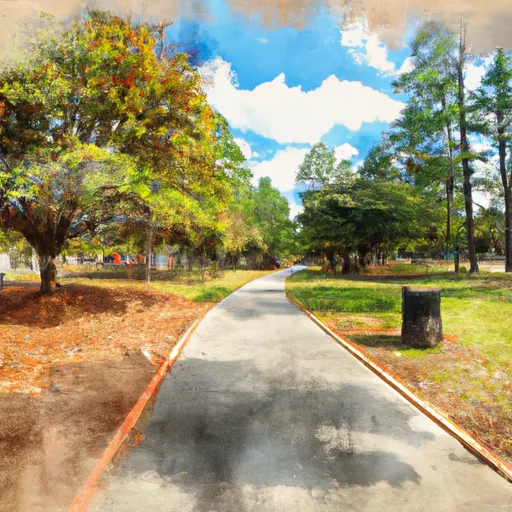 Austin Sumbry Park
 Meadowlane Park
 Rigdon Park
 Lindsey Creek Park
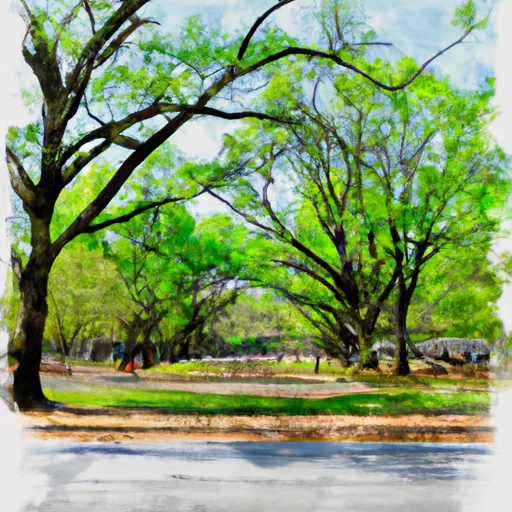 Benning Park
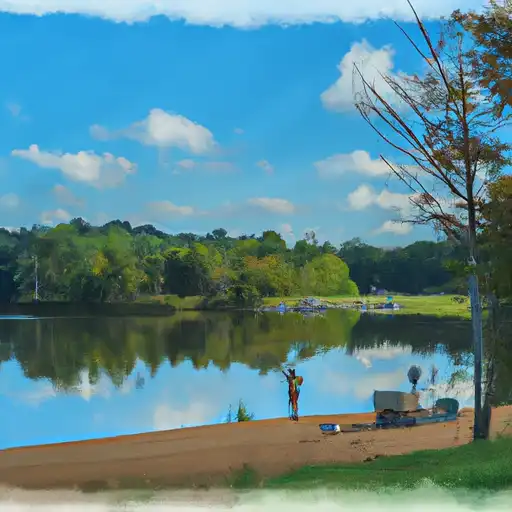 Carver Park Lake
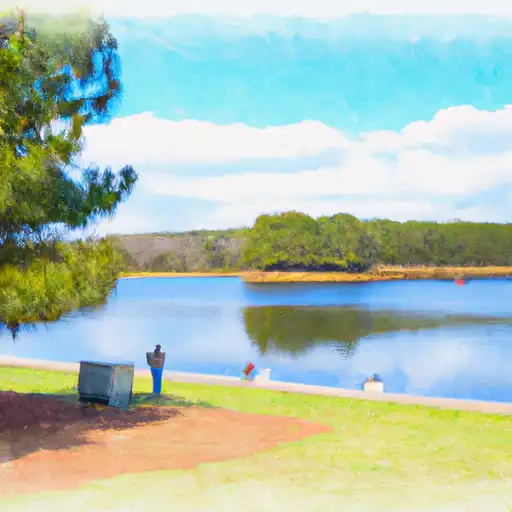 Cooper Creek Park Lake
 Lake Heath
 Flatrock Park Lake
 Goat Rock Lake
 Continue with Snoflo Premium