
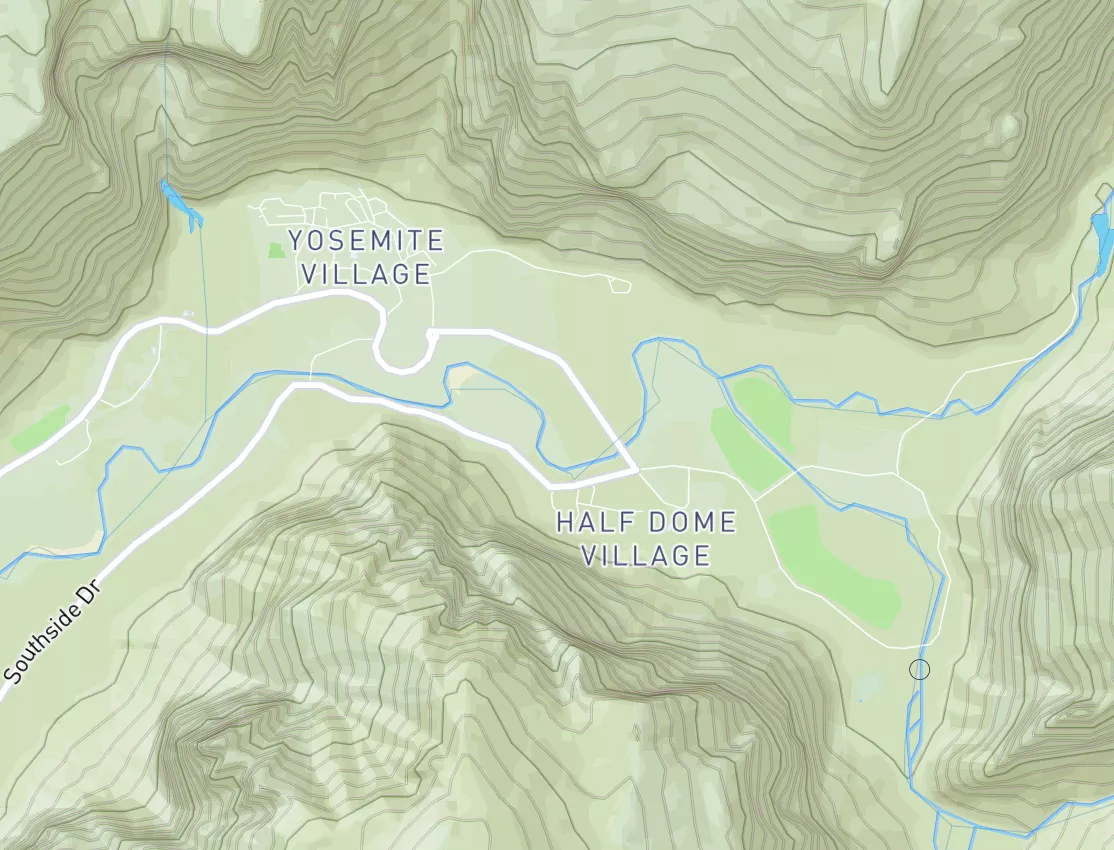

Ku'ia Natural Area Reserve
Last Updated: April 24, 2026
Leave a Rating°F
°F
mph
Wind
%
Humidity
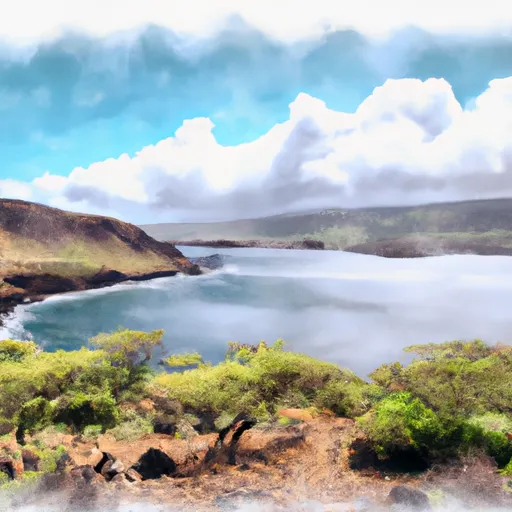
Ku'i'a Natural Area Reserve is a protected area located in the state of Hawaii, United States.
Summary
This reserve is known for its diverse ecosystem, which includes coastal dunes, wetlands, and dry forests. The main reason to visit this area is to experience the unique combination of flora and fauna. Visitors can see rare and endangered species such as the Hawaiian monk seal, green sea turtle, and several bird species like the Hawaiian goose and the Laysan albatross.
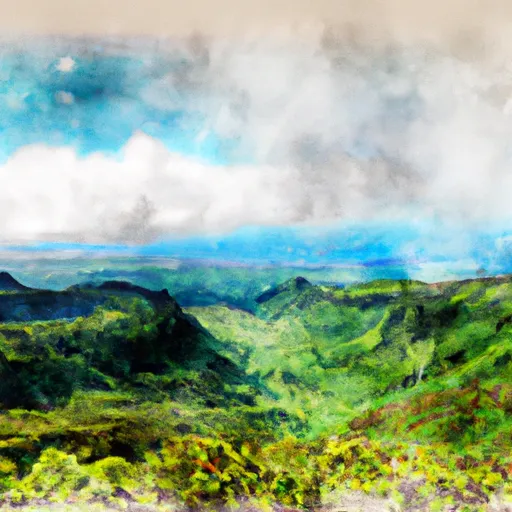
One of the main points of interest in Ku'i'a Natural Area Reserve is the Ku'i'a Fishpond. This ancient fishpond was built by the Hawaiians and used for aquaculture. Visitors can learn about its history and significance in Hawaiian culture. Another area of interest is the Kuaokala Trail, which offers a scenic hike through the reserve's dry forest.
Interesting facts about Ku'i'a Natural Area Reserve include its importance as a nesting site for the Laysan albatross. These birds fly thousands of miles to nest and breed in the reserve's coastal dunes. Additionally, this reserve is home to one of the largest populations of endangered Hawaiian monk seals in the world.
The best time to visit Ku'i'a Natural Area Reserve is between November and April when the weather is cooler and drier. However, visitors should be aware that the reserve can be closed at times due to conservation efforts. It is recommended to check for any closures or restrictions before planning a visit.
In conclusion, Ku'i'a Natural Area Reserve is a must-visit destination for nature enthusiasts and those interested in Hawaiian culture. Its diverse ecosystem, unique species, and rich history make it a truly special place to visit.
15-Day Long Term Forecast
5-Day Hourly Forecast Detail
Park & Land Designation Reference
Large protected natural areas managed by the federal government to preserve significant landscapes, ecosystems, and cultural resources; recreation is allowed but conservation is the priority.
State Park
Public natural or recreational areas managed by a state government, typically smaller than national parks and focused on regional natural features, recreation, and education.
Local Park
Community-level parks managed by cities or counties, emphasizing recreation, playgrounds, sports, and green space close to populated areas.
Wilderness Area
The highest level of land protection in the U.S.; designated areas where nature is left essentially untouched, with no roads, structures, or motorized access permitted.
National Recreation Area
Areas set aside primarily for outdoor recreation (boating, hiking, fishing), often around reservoirs, rivers, or scenic landscapes; may allow more development.
National Conservation Area (BLM)
BLM-managed areas with special ecological, cultural, or scientific value; more protection than typical BLM land but less strict than Wilderness Areas.
State Forest
State-managed forests focused on habitat, watershed, recreation, and sustainable timber harvest.
National Forest
Federally managed lands focused on multiple use—recreation, wildlife habitat, watershed protection, and resource extraction (like timber)—unlike the stricter protections of national parks.
Wilderness
A protected area set aside to conserve specific resources—such as wildlife, habitats, or scientific features—with regulations varying widely depending on the managing agency and purpose.
Bureau of Land Management (BLM) Land
Vast federal lands managed for mixed use—recreation, grazing, mining, conservation—with fewer restrictions than national parks or forests.
Related References
Area Campgrounds
| Location | Reservations | Toilets |
|---|---|---|
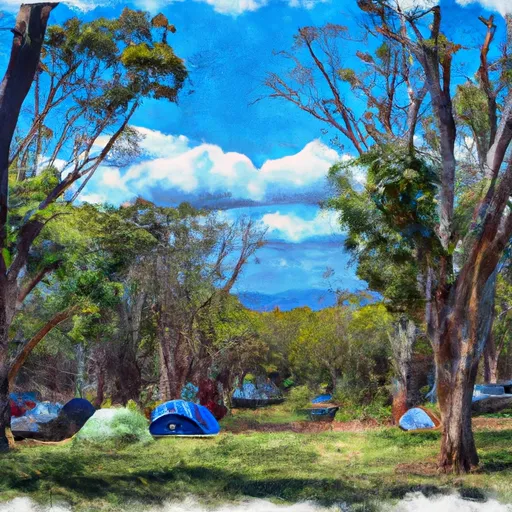 Kokee Campground - Kokee State Park - Kauai
|
||
 Kokee campground
|
||
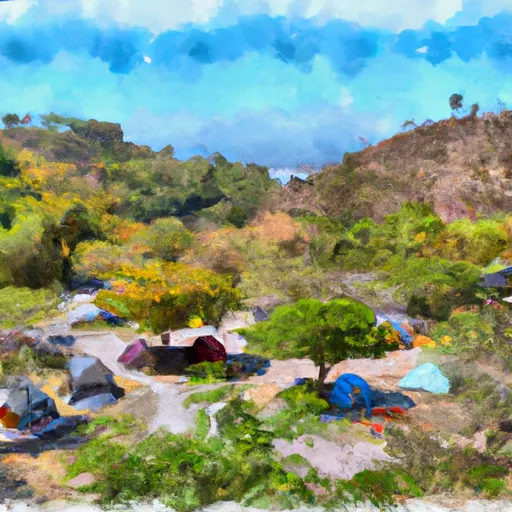 YWCA Camp Sloggett
|
||
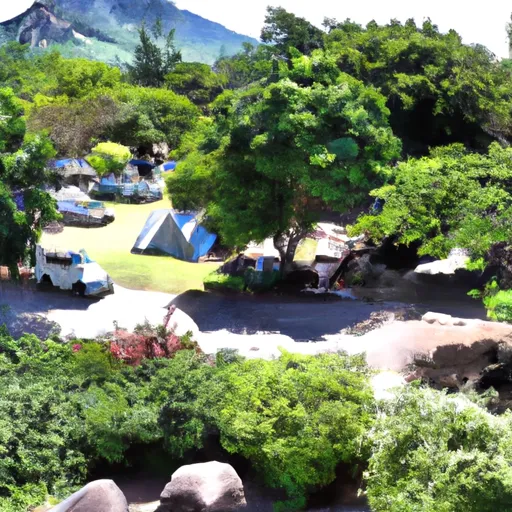 Camp Alan Faye
|
||
 Camp Hale Koa
|
||
 Waiakoali
|
 Na Pali Coast State Wilderness Park
 Nualolo Kai State Park
 Natural Area Reserve Hono O Na Pali
 Milolii State Park
 Kokee State Park
 Continue with Snoflo Premium