
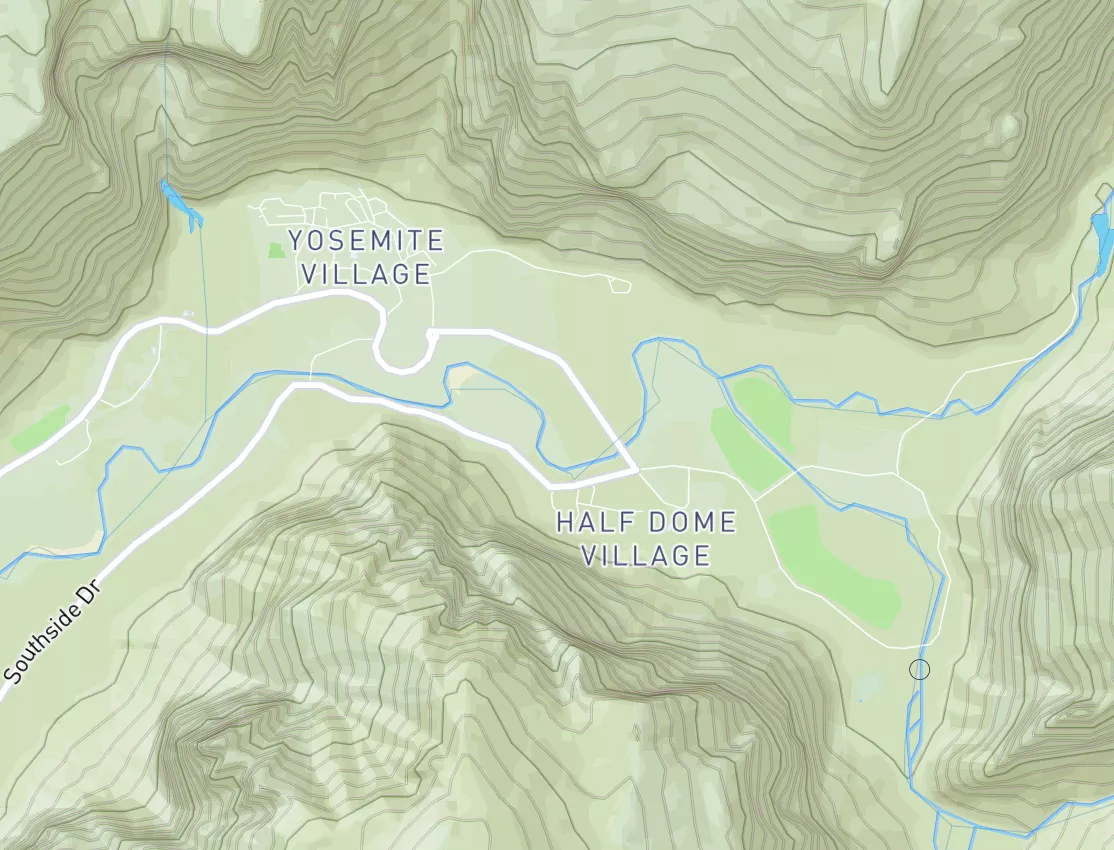

Wilderness Area Porcupine Mountains
Last Updated: April 28, 2026
Leave a RatingNearby: Wilderness Area Presque Isle River Scenic Site, Porcupine Mountains Porcupine Mountains State Park
°F
°F
mph
Wind
%
Humidity
The Porcupine Mountains Wilderness Area, located in the state of Michigan, offers visitors a breathtaking and diverse natural landscape that is worth exploring.
Summary
Here is a summary of this magnificent wilderness area, including the reasons to visit, specific points of interest, interesting facts, and the best time of year to visit.
Reasons to Visit:
1. Scenic Beauty: The Porcupine Mountains boast stunning vistas, with ancient forests, pristine lakes, cascading waterfalls, and miles of rugged shoreline along Lake Superior.
2. Outdoor Recreation: The wilderness area offers a wide range of outdoor activities, such as hiking, camping, fishing, boating, swimming, birdwatching, and wildlife viewing.
3. Wilderness Experience: With over 60,000 acres of untouched wilderness, visitors have the opportunity to immerse themselves in nature and enjoy solitude and tranquility.
4. Unique Wildlife: The area is home to a variety of wildlife, including black bears, gray wolves, moose, bald eagles, and the rare and elusive porcupines.
Points of Interest:
1. Lake of the Clouds: A must-see spot, this scenic overlook provides a stunning panoramic view of a pristine lake nestled between towering hills.
2. Summit Peak Observation Tower: The highest point in the park offers a 360-degree view, where visitors can see the forests, lakes, and even Lake Superior on clear days.
3. Waterfalls: The area is dotted with numerous picturesque waterfalls, such as Manabezho Falls, Manido Falls, and Nawadaha Falls, all accessible by hiking trails.
Interesting Facts:
1. The Porcupine Mountains are one of the oldest mountain ranges in the world, estimated to be over one billion years old.
2. The area has one of the largest remaining tracts of old-growth hardwood forests in the eastern United States, with some trees reaching over 300 years old.
3. The Porcupine Mountains are named after the Ojibwe term "waaswaaganing," which means "porcupine."
Best Time of Year to Visit:
The best time to visit the Porcupine Mountains Wilderness Area is during the summer months (June to August) when the weather is mild and the park offers a plethora of recreational opportunities. Fall (September to October) is also a popular time as the forests explode with vibrant autumn colors. However, each season has its charm, and winter brings opportunities for snowshoeing, cross-country skiing, and enjoying the stunning frozen landscapes.
Please note that while efforts have been made to verify the accuracy of the information provided, it is always advisable to cross-reference with multiple independent sources to ensure the most up-to-date and accurate details.
15-Day Long Term Forecast
5-Day Hourly Forecast Detail
Park & Land Designation Reference
Large protected natural areas managed by the federal government to preserve significant landscapes, ecosystems, and cultural resources; recreation is allowed but conservation is the priority.
State Park
Public natural or recreational areas managed by a state government, typically smaller than national parks and focused on regional natural features, recreation, and education.
Local Park
Community-level parks managed by cities or counties, emphasizing recreation, playgrounds, sports, and green space close to populated areas.
Wilderness Area
The highest level of land protection in the U.S.; designated areas where nature is left essentially untouched, with no roads, structures, or motorized access permitted.
National Recreation Area
Areas set aside primarily for outdoor recreation (boating, hiking, fishing), often around reservoirs, rivers, or scenic landscapes; may allow more development.
National Conservation Area (BLM)
BLM-managed areas with special ecological, cultural, or scientific value; more protection than typical BLM land but less strict than Wilderness Areas.
State Forest
State-managed forests focused on habitat, watershed, recreation, and sustainable timber harvest.
National Forest
Federally managed lands focused on multiple use—recreation, wildlife habitat, watershed protection, and resource extraction (like timber)—unlike the stricter protections of national parks.
Wilderness
A protected area set aside to conserve specific resources—such as wildlife, habitats, or scientific features—with regulations varying widely depending on the managing agency and purpose.
Bureau of Land Management (BLM) Land
Vast federal lands managed for mixed use—recreation, grazing, mining, conservation—with fewer restrictions than national parks or forests.
Related References
 Preque Isle State Campground
 Black River Harbor Recreation Area
 Black River Harbor Campground
 Backcountry campsite BC4
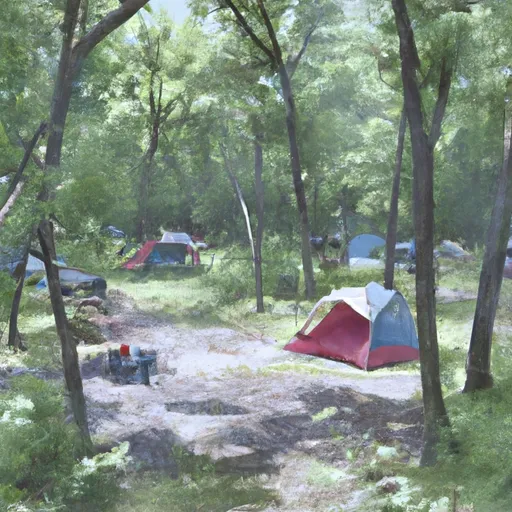 Backcountry campsite BC3
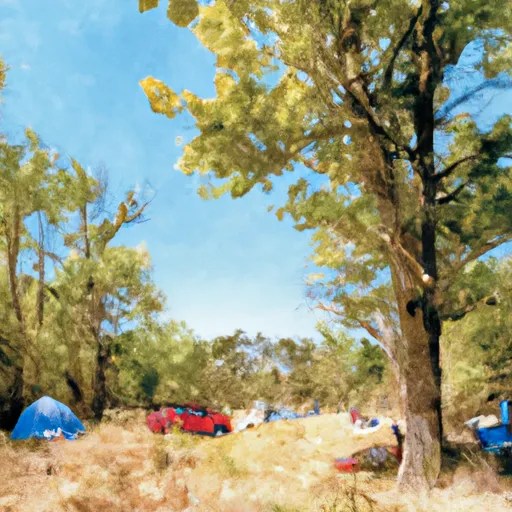 Backcountry campsite BC2
 Wilderness Area Presque Isle River Scenic Site, Porcupine Mountains
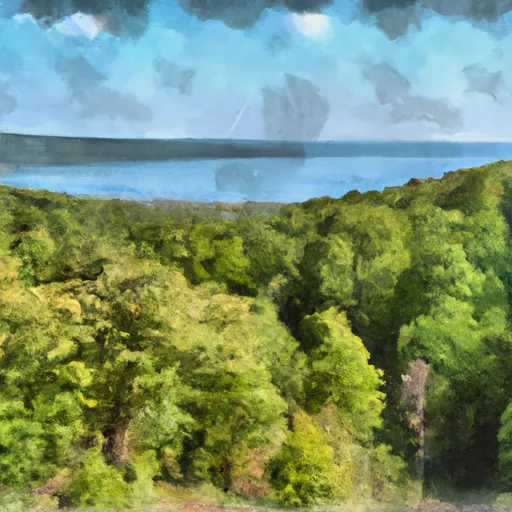 Porcupine Mountains State Park
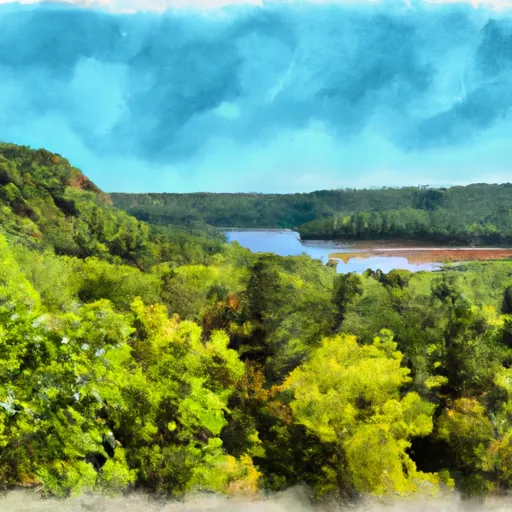 Porcupine Mountains Wilderness State Park
 Continue with Snoflo Premium