
Wheeler National Wildlife Refuge
Last Updated: April 28, 2026
Leave a RatingNearby: Sparkman Park And Track Sparkman Park
°F
°F
mph
Wind
%
Humidity
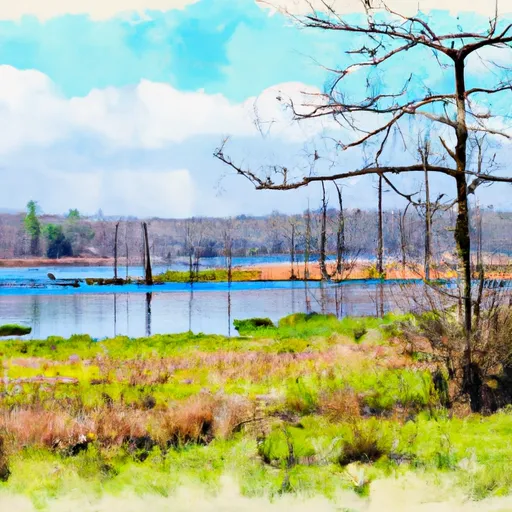
Wheeler National Wildlife Refuge, located in the state of Alabama, is a magnificent destination worth exploring for nature enthusiasts and wildlife lovers.
Summary
Spanning over 35,000 acres along the Tennessee River, the refuge offers an array of compelling reasons to visit.
One of the primary attractions of Wheeler National Wildlife Refuge is its diverse wildlife population. The refuge serves as a crucial stopover for migratory birds, making it an ideal spot for birdwatching. Over 300 bird species can be spotted here, including the majestic bald eagle, herons, egrets, ducks, geese, and songbirds. With well-maintained trails and observation areas, visitors can observe and photograph these magnificent creatures up close.
Apart from birdwatching, Wheeler National Wildlife Refuge also offers opportunities for fishing, boating, and hiking. Anglers can try their luck in the Tennessee River's abundant fishing grounds, which are home to various species such as bass, crappie, and catfish. The refuge also provides boat ramps and canoe access points for those wishing to explore the river's scenic beauty.
While exploring the refuge, visitors can also visit the Visitor Center, which serves as an educational hub. It provides interactive exhibits, displays, and educational programs that shed light on the area's wildlife, habitat conservation, and the importance of preserving natural resources.
Interesting facts about Wheeler National Wildlife Refuge include its establishment in 1938 as the first wildlife refuge that specifically aimed to attract and provide habitat for waterfowl. It was named in honor of Major General Joseph Wheeler, a Confederate general and U.S. Congressman from Alabama. Additionally, the refuge is a designated Important Bird Area by the National Audubon Society, highlighting its significance in bird conservation.
The best time to visit Wheeler National Wildlife Refuge depends on the visitor's preferences. Spring and fall are considered peak seasons for birdwatching, as migratory birds pass through the area during these times. The months of March to May witness the arrival of numerous bird species, while September to November sees their departure. However, the refuge's picturesque landscapes, serene trails, and recreational activities can be enjoyed year-round.
Verifying across multiple independent sources is recommended to ensure accuracy and to obtain the most up-to-date information on Wheeler National Wildlife Refuge.
15-Day Long Term Forecast
5-Day Hourly Forecast Detail
Park & Land Designation Reference
Large protected natural areas managed by the federal government to preserve significant landscapes, ecosystems, and cultural resources; recreation is allowed but conservation is the priority.
State Park
Public natural or recreational areas managed by a state government, typically smaller than national parks and focused on regional natural features, recreation, and education.
Local Park
Community-level parks managed by cities or counties, emphasizing recreation, playgrounds, sports, and green space close to populated areas.
Wilderness Area
The highest level of land protection in the U.S.; designated areas where nature is left essentially untouched, with no roads, structures, or motorized access permitted.
National Recreation Area
Areas set aside primarily for outdoor recreation (boating, hiking, fishing), often around reservoirs, rivers, or scenic landscapes; may allow more development.
National Conservation Area (BLM)
BLM-managed areas with special ecological, cultural, or scientific value; more protection than typical BLM land but less strict than Wilderness Areas.
State Forest
State-managed forests focused on habitat, watershed, recreation, and sustainable timber harvest.
National Forest
Federally managed lands focused on multiple use—recreation, wildlife habitat, watershed protection, and resource extraction (like timber)—unlike the stricter protections of national parks.
Wilderness
A protected area set aside to conserve specific resources—such as wildlife, habitats, or scientific features—with regulations varying widely depending on the managing agency and purpose.
Bureau of Land Management (BLM) Land
Vast federal lands managed for mixed use—recreation, grazing, mining, conservation—with fewer restrictions than national parks or forests.
Related References
 Sparkman Park And Track
 Sparkman Park
 Point Mallard Park
 Swan Creek Wildlife Management Area
 Continue with Snoflo Premium