
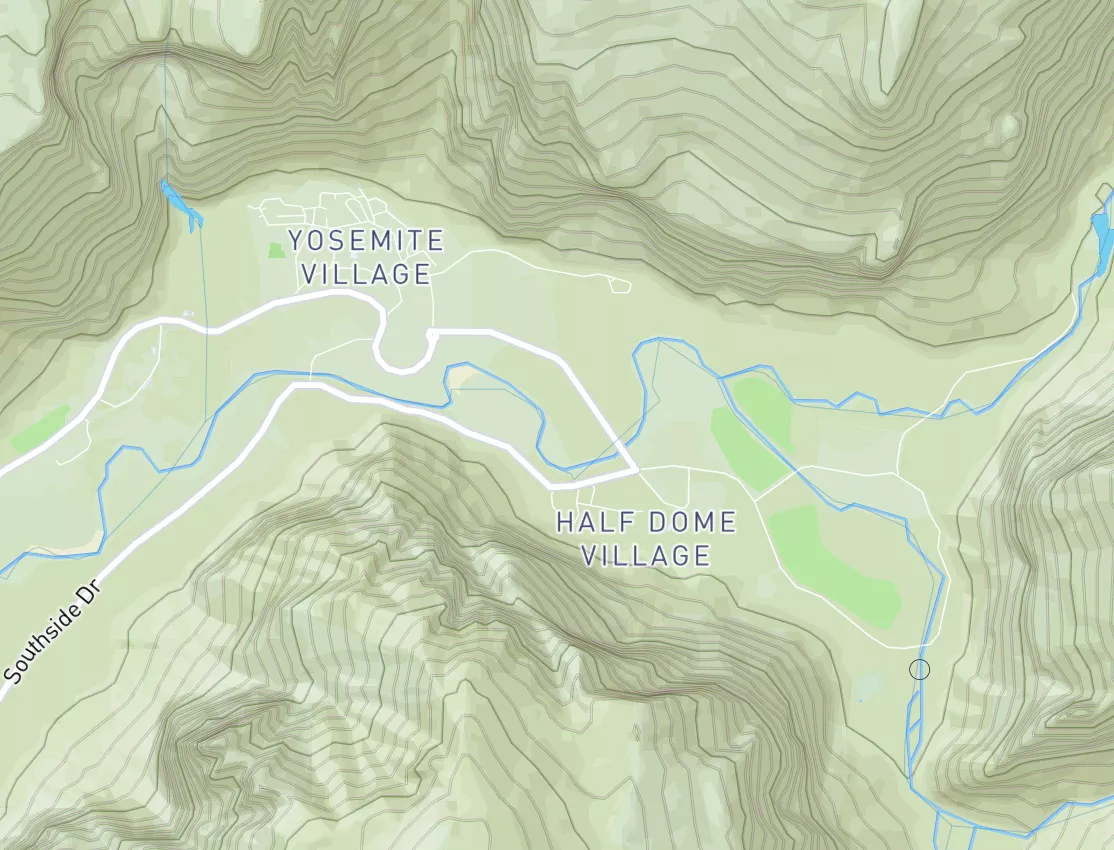

Sportsman's Park
Last Updated: May 1, 2026
Leave a Rating°F
°F
mph
Wind
%
Humidity
Sportsman's Park, located in the state of Iowa, is a popular destination offering diverse recreational opportunities and scenic beauty.
Summary
Here is a summary of the park, including reasons to visit, specific points of interest, interesting facts, and the best time of year to plan your trip.
Sportsman's Park is a picturesque natural area encompassing approximately 300 acres of woodlands, grasslands, and wetlands. It is situated in southeastern Iowa, near the city of Burlington. The park is renowned for its rich biodiversity, making it a haven for nature enthusiasts, birdwatchers, and outdoor adventurers.
Reasons to visit Sportsman's Park:
1. Nature and wildlife: The park provides an excellent opportunity to immerse yourself in nature, with abundant wildlife, including deer, rabbits, squirrels, and various bird species.
2. Hiking and trails: There are well-maintained trails that wind through the park's diverse landscapes, offering visitors the chance to enjoy scenic walks and explore different ecosystems.
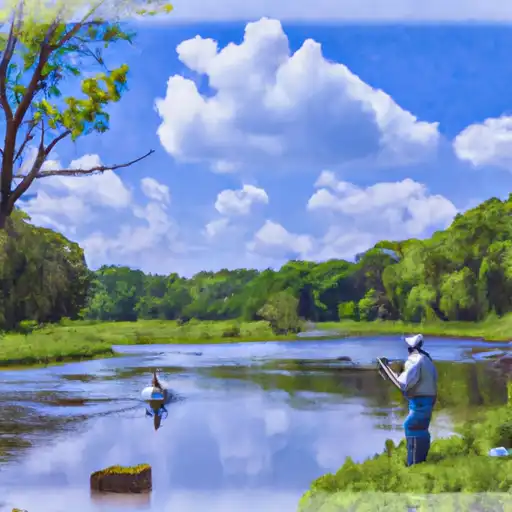
3. Fishing and boating: The park features several lakes and ponds, providing great fishing opportunities for anglers. Additionally, boating enthusiasts can take advantage of the park's boat access areas.
4. Picnicking and camping: Sportsman's Park offers picnic areas with shelters and grills, allowing visitors to enjoy a meal amidst the natural beauty. The park also provides camping facilities for those looking to extend their stay.
Points of interest within Sportsman's Park:
1. Prairie Restoration Area: This section of the park showcases restored native prairie landscapes, allowing visitors to observe the vibrant ecosystem that once dominated the region.
2. Nature Center: The park hosts a nature center that offers educational programs, exhibits, and information about the park's wildlife and natural features.
3. Birdwatching: Sportsman's Park is known for its diverse bird population. Birdwatchers can spot a variety of species, including waterfowl, raptors, and songbirds, especially during migration seasons.
Interesting facts about Sportsman's Park:
1. The park is managed by the Des Moines County Conservation Board, which prioritizes conservation efforts, environmental education, and outdoor recreation.
2. Sportsman's Park is part of the Mississippi River Birding and Nature Trail, a collection of prime birdwatching sites along the Mississippi River.
3. The park offers hunting opportunities during designated seasons, allowing hunters to engage in a controlled and regulated environment.
4. Sportsman's Park is an ideal location for wildlife photography and nature observation due to its undisturbed natural habitats.
Best time of year to visit Sportsman's Park:
The best time to visit Sportsman's Park depends on your preferences. Spring and fall are popular seasons due to the pleasant weather, vibrant foliage, and increased bird migration. In spring, wildflowers bloom, and the park comes alive with nesting activity. Fall brings stunning colors as the trees change, making it a picturesque time to visit. Summer offers opportunities for boating and fishing, while winter transforms the park into a serene wonderland, ideal for winter hiking and wildlife tracking.
To ensure accuracy, it is recommended to verify the information provided here by referring to multiple independent sources such as official park websites, travel guides, and local tourism authorities.
15-Day Long Term Forecast
5-Day Hourly Forecast Detail
Park & Land Designation Reference
Large protected natural areas managed by the federal government to preserve significant landscapes, ecosystems, and cultural resources; recreation is allowed but conservation is the priority.
State Park
Public natural or recreational areas managed by a state government, typically smaller than national parks and focused on regional natural features, recreation, and education.
Local Park
Community-level parks managed by cities or counties, emphasizing recreation, playgrounds, sports, and green space close to populated areas.
Wilderness Area
The highest level of land protection in the U.S.; designated areas where nature is left essentially untouched, with no roads, structures, or motorized access permitted.
National Recreation Area
Areas set aside primarily for outdoor recreation (boating, hiking, fishing), often around reservoirs, rivers, or scenic landscapes; may allow more development.
National Conservation Area (BLM)
BLM-managed areas with special ecological, cultural, or scientific value; more protection than typical BLM land but less strict than Wilderness Areas.
State Forest
State-managed forests focused on habitat, watershed, recreation, and sustainable timber harvest.
National Forest
Federally managed lands focused on multiple use—recreation, wildlife habitat, watershed protection, and resource extraction (like timber)—unlike the stricter protections of national parks.
Wilderness
A protected area set aside to conserve specific resources—such as wildlife, habitats, or scientific features—with regulations varying widely depending on the managing agency and purpose.
Bureau of Land Management (BLM) Land
Vast federal lands managed for mixed use—recreation, grazing, mining, conservation—with fewer restrictions than national parks or forests.
Related References
 Colwell County Park Camping
 West Idlewild County Park
 Cedar View Park Campground
 Haus County Park
 Twin Ponds Co Park - West
 Twin Ponds Co Park - East
 Idlewild State Park
 Colwell County Park
 Bunns Woods County Park
 Howards Wood Recreational Area
 Goodale Park
 Bigalks Creek
 Coldwater Creek
 Otter Creek
 Glover Creek
 Trout Run
 Continue with Snoflo Premium