
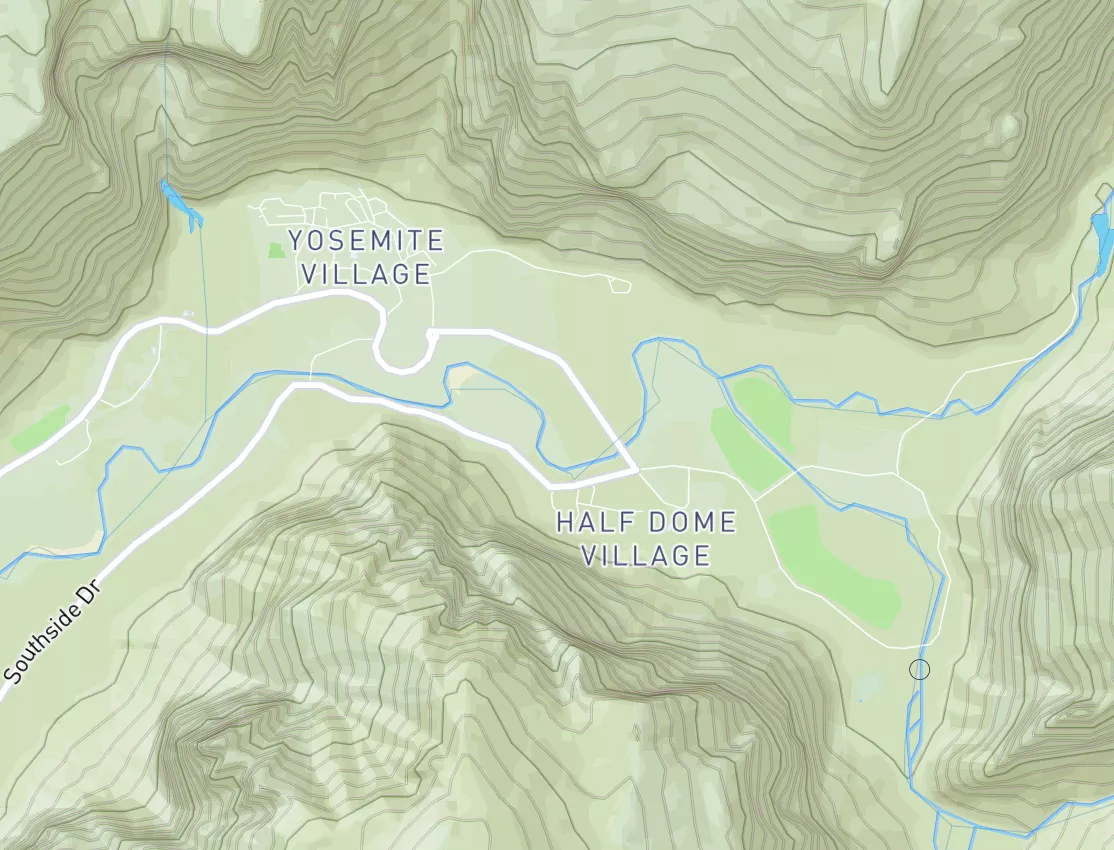

Fireman's Park
Last Updated: May 3, 2026
Leave a RatingNearby: City Square Park Firemans 2 Park
°F
°F
mph
Wind
%
Humidity
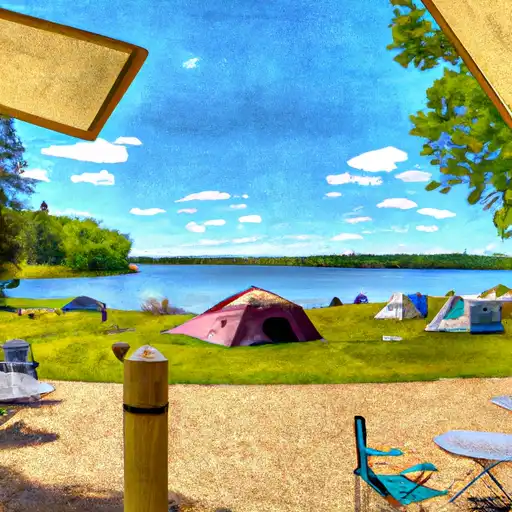
Fireman's Park, located in the state of Minnesota, is a popular and historic park that offers a range of attractions and activities for visitors of all ages.
Summary
Some good reasons to visit the park include its beautiful natural scenery, its well-maintained facilities, and its rich history and cultural significance.
One of the main points of interest at Fireman's Park is the historic firehouse museum, which contains a fascinating collection of firefighting equipment and artifacts from the early days of the local fire department. Other notable attractions include a large playground area, multiple sports fields and courts, and a scenic walking trail that winds through the park's woods and fields.
In addition to its many attractions, Fireman's Park is also known for its interesting facts and historical significance. For example, the park was originally established in the early 1900s as a tribute to the local firefighters who risked their lives to protect the community during a devastating fire in 1894. Today, the park is a beloved gathering place for locals and visitors alike, and continues to be a symbol of the community's resilience and spirit.
The best time of year to visit Fireman's Park depends on your personal preferences and interests. During the summer months, the park is a popular destination for outdoor recreation and family-friendly activities. In the fall and winter, the park offers a peaceful and serene atmosphere, with beautiful foliage and snow-covered landscapes. Overall, Fireman's Park is a must-visit destination for anyone looking to experience the beauty and culture of Minnesota's great outdoors.
15-Day Long Term Forecast
5-Day Hourly Forecast Detail
Park & Land Designation Reference
Large protected natural areas managed by the federal government to preserve significant landscapes, ecosystems, and cultural resources; recreation is allowed but conservation is the priority.
State Park
Public natural or recreational areas managed by a state government, typically smaller than national parks and focused on regional natural features, recreation, and education.
Local Park
Community-level parks managed by cities or counties, emphasizing recreation, playgrounds, sports, and green space close to populated areas.
Wilderness Area
The highest level of land protection in the U.S.; designated areas where nature is left essentially untouched, with no roads, structures, or motorized access permitted.
National Recreation Area
Areas set aside primarily for outdoor recreation (boating, hiking, fishing), often around reservoirs, rivers, or scenic landscapes; may allow more development.
National Conservation Area (BLM)
BLM-managed areas with special ecological, cultural, or scientific value; more protection than typical BLM land but less strict than Wilderness Areas.
State Forest
State-managed forests focused on habitat, watershed, recreation, and sustainable timber harvest.
National Forest
Federally managed lands focused on multiple use—recreation, wildlife habitat, watershed protection, and resource extraction (like timber)—unlike the stricter protections of national parks.
Wilderness
A protected area set aside to conserve specific resources—such as wildlife, habitats, or scientific features—with regulations varying widely depending on the managing agency and purpose.
Bureau of Land Management (BLM) Land
Vast federal lands managed for mixed use—recreation, grazing, mining, conservation—with fewer restrictions than national parks or forests.
Related References
 Carver Park Reserve
 lake auburn campground
 Minnesota Valley State Park -Quarry
 Minnesota Valley State Park -Horse Camp
 Minnesota Valley Rec Area
 Cleary Lake Regional Park
 City Square Park
 Firemans 2 Park
 Chaska Skate Park
 East Creek Canyon Park
 Wood Ridge Park
 Continue with Snoflo Premium