

Wilderness Irish
Last Updated: May 2, 2026
Leave a Rating°F
°F
mph
Wind
%
Humidity
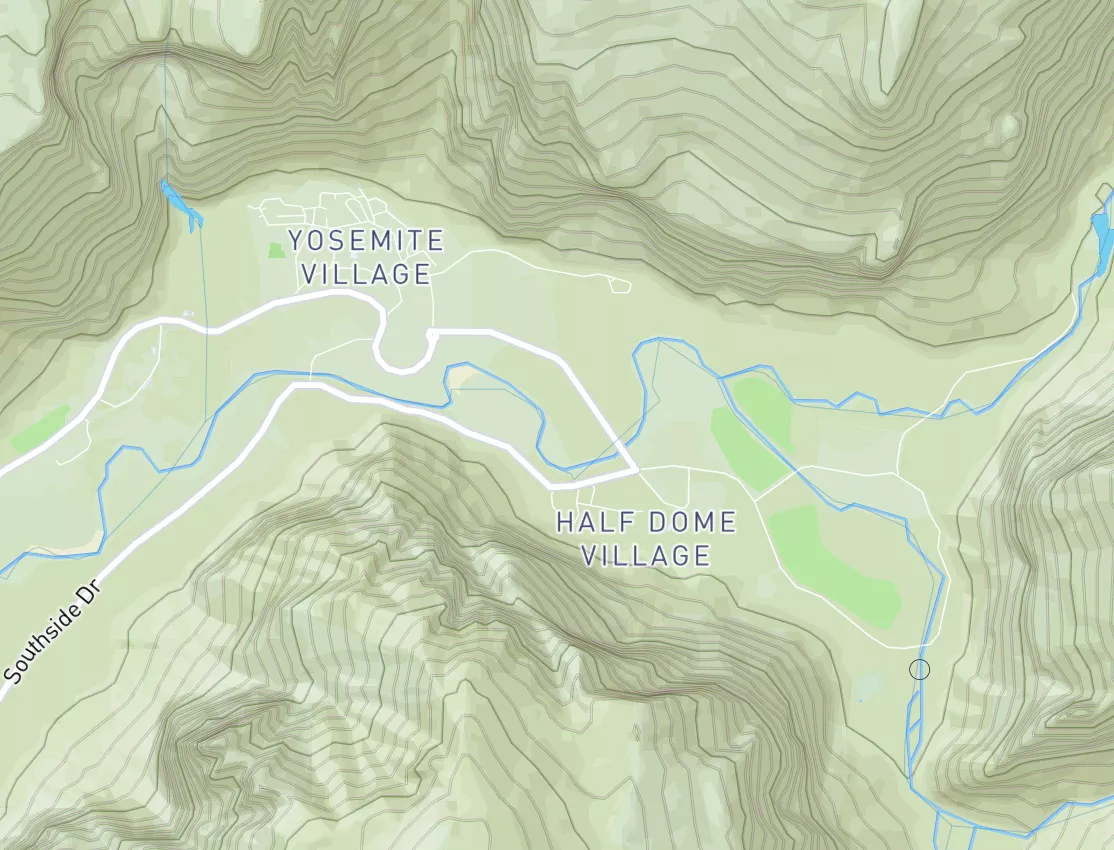
Wilderness Irish, also known as the Irish Wilderness, is a unique and picturesque area located in the state of Louisiana, United States.
Summary
It offers visitors a serene and natural escape with its stunning landscapes, diverse wildlife, and rich history. Here is a summary of the Wilderness Irish and the reasons why it is worth visiting, along with some key points of interest, interesting facts, and the best time of year to plan a visit.
Reasons to Visit:
1. Natural Beauty: Wilderness Irish is renowned for its pristine and untouched beauty. It boasts lush forests, vibrant wildflowers, scenic rivers, and rolling hills, providing breathtaking views for nature enthusiasts and photographers.
2. Wildlife Watching: The area is home to a wide variety of wildlife, including deer, turkey, black bear, bobcats, and various bird species. Visitors can enjoy birdwatching, wildlife photography, or simply appreciate the splendor of the natural habitat.
3. Hiking and Camping: Wilderness Irish offers numerous hiking trails, ranging from leisurely walks to challenging treks. The trails allow visitors to explore the wilderness, discover hidden waterfalls, and enjoy camping in designated areas.
4. Historical Significance: The Irish Wilderness has a rich history dating back to the early 1800s when Irish immigrants settled in the area. These pioneers left a lasting legacy, and remnants of their homesteads and graves can still be found, providing a glimpse into the past.
Points of Interest:
1. Bell Mountain Wilderness Area: This stunning area features Bell Mountain, a prominent peak offering panoramic views of the surrounding wilderness. Hiking to the summit is a popular activity among visitors.
2. Greer Spring: Located nearby, Greer Spring is one of the largest springs in the Ozarks region, boasting crystal-clear waters and picturesque scenery. It offers an excellent spot for photography and a refreshing swimming experience.
3. Rockpile Mountain Wilderness Area: This area is characterized by its unique rock formations and offers opportunities for hiking, camping, and exploring the rugged wilderness.
4. Devil's Backbone Wilderness Area: Known for its challenging trails and rugged terrain, Devil's Backbone offers a thrilling adventure for experienced hikers and backpackers.
Interesting Facts:
1. Wilderness Irish was named after the Irish immigrants who settled in the region in the early 1800s and carved out a living in the wilderness.
2. The area is characterized by its rugged and remote nature, providing a peaceful and secluded experience for visitors.
3. In 1984, the Irish Wilderness was designated as a wilderness area by the U.S. Congress, ensuring its preservation and protection for future generations.
Best Time to Visit:
The best time to visit Wilderness Irish is during the spring and fall seasons when the weather is mild, and the landscapes are vibrant with blooming wildflowers or colorful foliage. Summers can be hot and humid, and winter may bring colder temperatures and occasional snowfall.
It is essential to verify the accuracy of this information by consulting multiple independent sources, such as official websites, travel guides, or local tourism boards, before planning a visit to the Wilderness Irish in Louisiana.
15-Day Long Term Forecast
5-Day Hourly Forecast Detail
Park & Land Designation Reference
Large protected natural areas managed by the federal government to preserve significant landscapes, ecosystems, and cultural resources; recreation is allowed but conservation is the priority.
State Park
Public natural or recreational areas managed by a state government, typically smaller than national parks and focused on regional natural features, recreation, and education.
Local Park
Community-level parks managed by cities or counties, emphasizing recreation, playgrounds, sports, and green space close to populated areas.
Wilderness Area
The highest level of land protection in the U.S.; designated areas where nature is left essentially untouched, with no roads, structures, or motorized access permitted.
National Recreation Area
Areas set aside primarily for outdoor recreation (boating, hiking, fishing), often around reservoirs, rivers, or scenic landscapes; may allow more development.
National Conservation Area (BLM)
BLM-managed areas with special ecological, cultural, or scientific value; more protection than typical BLM land but less strict than Wilderness Areas.
State Forest
State-managed forests focused on habitat, watershed, recreation, and sustainable timber harvest.
National Forest
Federally managed lands focused on multiple use—recreation, wildlife habitat, watershed protection, and resource extraction (like timber)—unlike the stricter protections of national parks.
Wilderness
A protected area set aside to conserve specific resources—such as wildlife, habitats, or scientific features—with regulations varying widely depending on the managing agency and purpose.
Bureau of Land Management (BLM) Land
Vast federal lands managed for mixed use—recreation, grazing, mining, conservation—with fewer restrictions than national parks or forests.
Related References
Area Campgrounds
| Location | Reservations | Toilets |
|---|---|---|
 Greenbriar Float Camp
|
||
 Boze Mill Float Camp
|
||
 Whites Creek Float Camp
|
||
 Barn Hollow Float Camp
|
||
 Fourche Lake Recreation Area
|
||
 Horseshoe Bend Float Camp
|
 Eleven Point National Wild and Scenic River
 Fourche Creek Conservation Area
 Ozark National Scenic Riverways
 June Lake
 Lake Ashbaugh
 Eleven Point River
 Langston Lake
 Crown Lake
 Continue with Snoflo Premium