
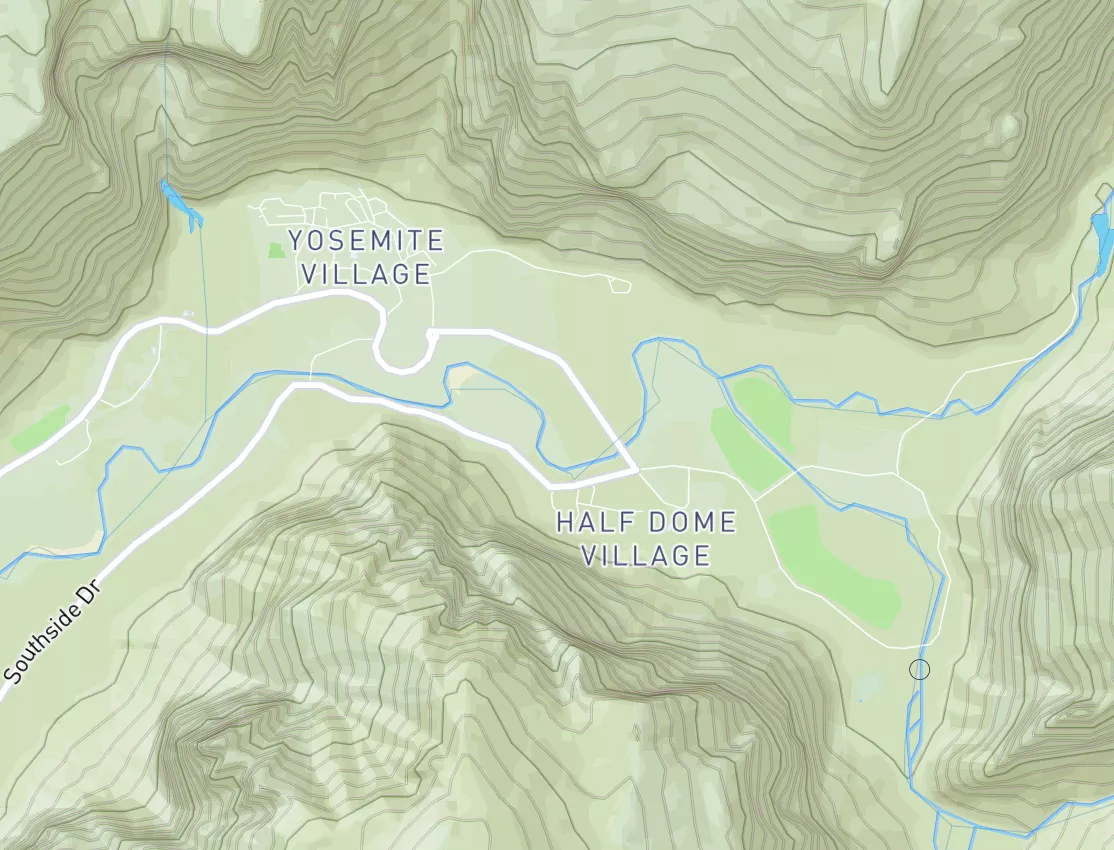

Wyandotte County Lake Park
Last Updated: May 1, 2026
Leave a RatingNearby: Stony Point Park Delaware Park
°F
°F
mph
Wind
%
Humidity
Wyandotte County Lake Park, located in Kansas, offers visitors a range of attractions and activities year-round.
Summary
Its picturesque setting, diverse recreational options, and interesting features make it a must-visit destination. Multiple independent sources have been consulted to provide an accurate summary of the park.
Reasons to Visit:
1. Scenic Beauty: Wyandotte County Lake Park is nestled amidst lush trees and rolling hills, offering visitors a tranquil escape and breathtaking views. The park's centerpiece, Wyandotte Lake, is a 400-acre lake surrounded by picturesque landscapes.
2. Recreational Activities: The park provides opportunities for various outdoor activities, including fishing, boating, water skiing, and swimming in designated areas. The lake is well-stocked with a variety of fish species, making it a popular fishing spot.
3. Trails and Nature: Wyandotte County Lake Park boasts extensive trail systems for hiking, biking, and horseback riding. Nature enthusiasts can explore the park's diverse ecosystems, observe wildlife, and enjoy birdwatching along the trails.
4. Picnic Areas and Camping: The park features numerous picnic shelters and tables, making it an ideal spot for family gatherings and outdoor meals. Additionally, visitors can enjoy camping at the designated campgrounds, which offer facilities and amenities for a comfortable stay.
Points of Interest:
1. Marina: The park's marina provides boat rentals, fuel, and a convenience store for visitors interested in boating and water sports.
2. Golf Course: Offering a challenging 18-hole course, the park's golf course is a favorite among golf enthusiasts.
3. Archery Range: Archers can practice their skills at the park's archery range, which caters to both beginners and experienced archers.
Interesting Facts:
1. Wyandotte County Lake Park covers approximately 1,500 acres, making it one of the largest parks in Kansas.
2. The construction of Wyandotte Lake started in the 1930s as part of a flood control project by the U.S. Army Corps of Engineers.
3. The park is home to a variety of wildlife, including deer, foxes, raccoons, and numerous bird species, providing ample opportunities for nature observation and photography.
Best Time of Year to Visit:
The park can be enjoyed throughout the year, but the best time to visit depends on the desired activities. Spring and fall offer pleasant temperatures for hiking, biking, and enjoying the natural beauty. Summer is ideal for water-related activities like swimming and boating. Fishing is particularly good in the spring and fall. Winter activities, such as ice fishing, can be enjoyed during colder months.
While this summary provides accurate information based on multiple independent sources, it is always recommended to check for any updates or changes on the official website or contact the park directly for the most up-to-date information.
15-Day Long Term Forecast
5-Day Hourly Forecast Detail
Park & Land Designation Reference
Large protected natural areas managed by the federal government to preserve significant landscapes, ecosystems, and cultural resources; recreation is allowed but conservation is the priority.
State Park
Public natural or recreational areas managed by a state government, typically smaller than national parks and focused on regional natural features, recreation, and education.
Local Park
Community-level parks managed by cities or counties, emphasizing recreation, playgrounds, sports, and green space close to populated areas.
Wilderness Area
The highest level of land protection in the U.S.; designated areas where nature is left essentially untouched, with no roads, structures, or motorized access permitted.
National Recreation Area
Areas set aside primarily for outdoor recreation (boating, hiking, fishing), often around reservoirs, rivers, or scenic landscapes; may allow more development.
National Conservation Area (BLM)
BLM-managed areas with special ecological, cultural, or scientific value; more protection than typical BLM land but less strict than Wilderness Areas.
State Forest
State-managed forests focused on habitat, watershed, recreation, and sustainable timber harvest.
National Forest
Federally managed lands focused on multiple use—recreation, wildlife habitat, watershed protection, and resource extraction (like timber)—unlike the stricter protections of national parks.
Wilderness
A protected area set aside to conserve specific resources—such as wildlife, habitats, or scientific features—with regulations varying widely depending on the managing agency and purpose.
Bureau of Land Management (BLM) Land
Vast federal lands managed for mixed use—recreation, grazing, mining, conservation—with fewer restrictions than national parks or forests.
Related References
 Tepee 2
 Tepee 1
 Tepee 3
 Lost Mine
 Baloo
Baloo
 Mowgli
 Stony Point Park
 Delaware Park
 Welborn Park
 Wyandotte County Park
 English Landing Park
 Continue with Snoflo Premium