
Hubbard Hill State Forest
Last Updated: April 27, 2026
Leave a Rating°F
°F
mph
Wind
%
Humidity
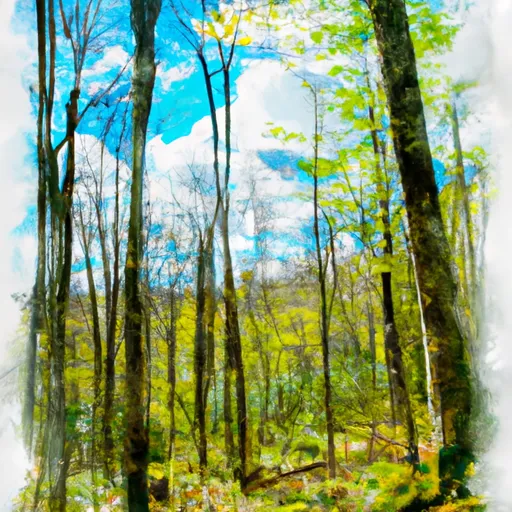
Hubbard Hill State Forest is a picturesque forest located in Vermont, USA.
Summary
It is an ideal destination for nature lovers, hikers, and campers. The forest is spread across 1,863 acres and is located near the towns of Marshfield and Cabot.
There are many reasons to visit Hubbard Hill State Forest, including its beautiful scenery, peaceful atmosphere, and abundant wildlife. The forest is home to a variety of animal species, including black bears, moose, and white-tailed deer. Visitors can also enjoy hiking the forest's numerous trails, which offer stunning views of the surrounding mountains and valleys.
One of the main points of interest in Hubbard Hill State Forest is the Hubbard Hill Lookout Tower. This tower offers a panoramic view of the surrounding area, making it a great spot for photos. Other popular attractions in the forest include the Marshfield Dam and the Cabot Trail.
Interesting facts about Hubbard Hill State Forest include its history as a working forest, which dates back to the early 1900s. The forest was originally used for logging and farming, but was later converted to a public recreation area. Today, the forest is managed by the Vermont Department of Forests, Parks, and Recreation.
The best time of year to visit Hubbard Hill State Forest is during the fall foliage season, which typically occurs in late September through mid-October. During this time, the forest is ablaze with vibrant colors, making it a spectacular sight to see. Visitors can also enjoy camping, fishing, and hunting in the forest during the summer months.
Overall, Hubbard Hill State Forest is a beautiful and peaceful destination that offers something for everyone. Whether you are a hiker, camper, or nature lover, you are sure to enjoy your visit to this stunning Vermont forest.
15-Day Long Term Forecast
5-Day Hourly Forecast Detail
Park & Land Designation Reference
Large protected natural areas managed by the federal government to preserve significant landscapes, ecosystems, and cultural resources; recreation is allowed but conservation is the priority.
State Park
Public natural or recreational areas managed by a state government, typically smaller than national parks and focused on regional natural features, recreation, and education.
Local Park
Community-level parks managed by cities or counties, emphasizing recreation, playgrounds, sports, and green space close to populated areas.
Wilderness Area
The highest level of land protection in the U.S.; designated areas where nature is left essentially untouched, with no roads, structures, or motorized access permitted.
National Recreation Area
Areas set aside primarily for outdoor recreation (boating, hiking, fishing), often around reservoirs, rivers, or scenic landscapes; may allow more development.
National Conservation Area (BLM)
BLM-managed areas with special ecological, cultural, or scientific value; more protection than typical BLM land but less strict than Wilderness Areas.
State Forest
State-managed forests focused on habitat, watershed, recreation, and sustainable timber harvest.
National Forest
Federally managed lands focused on multiple use—recreation, wildlife habitat, watershed protection, and resource extraction (like timber)—unlike the stricter protections of national parks.
Wilderness
A protected area set aside to conserve specific resources—such as wildlife, habitats, or scientific features—with regulations varying widely depending on the managing agency and purpose.
Bureau of Land Management (BLM) Land
Vast federal lands managed for mixed use—recreation, grazing, mining, conservation—with fewer restrictions than national parks or forests.
Related References
 Spaulding Wildlife Management Area
 Connecticut River State Forest
 Muckross State Park
 Hartness Park
 The Commons Park
 Continue with Snoflo Premium