
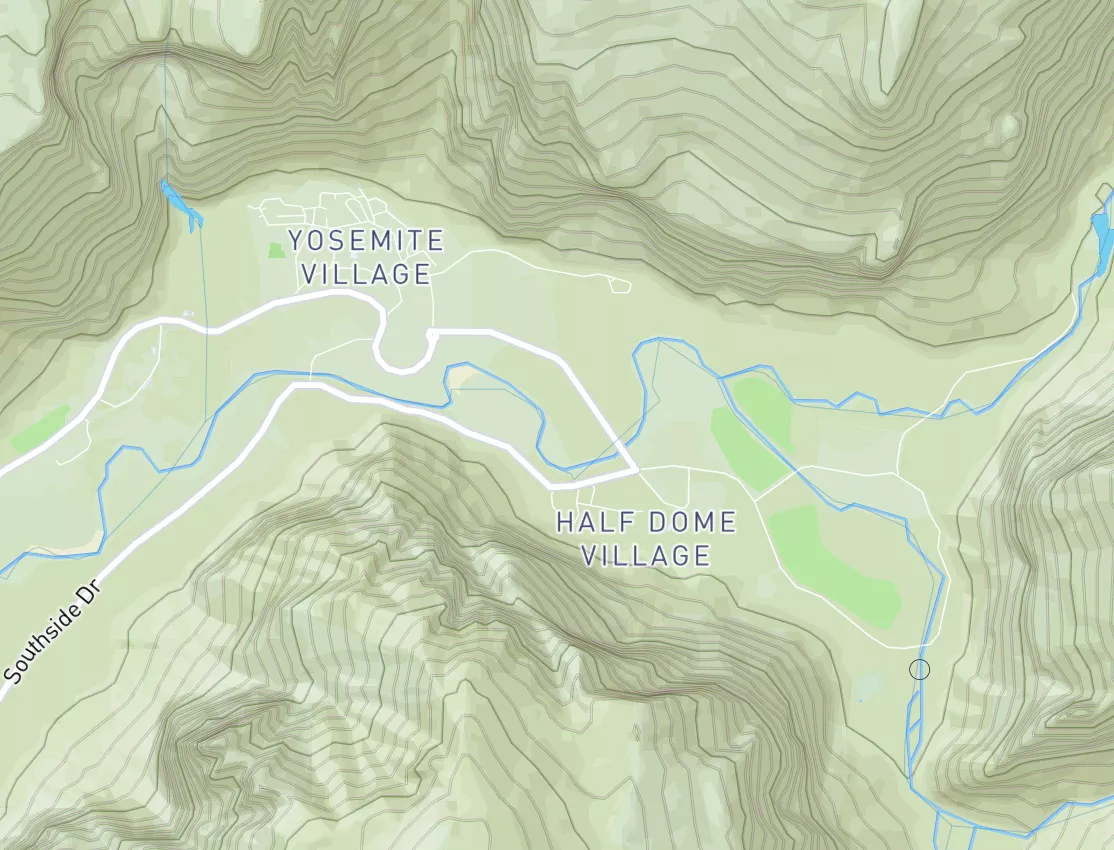

Winnekenni Park
Last Updated: May 3, 2026
Leave a RatingNearby: Perry Park Commons Cashman's Field
°F
°F
mph
Wind
%
Humidity
Winnekenni Park, located in Haverhill, Massachusetts, is a beautiful and historic recreational area that offers visitors a variety of attractions and activities.
Summary
Whether you're seeking natural beauty, historical sites, or outdoor recreation, Winnekenni Park has something to offer for everyone.
Reasons to Visit:
1. Scenic Beauty: Winnekenni Park is renowned for its picturesque landscapes, including a stunning lake, lush forests, and rolling hills. Visitors can enjoy breathtaking views while exploring the park's extensive trail system.
2. Historical Significance: The park is home to Winnekenni Castle, a Victorian mansion built in 1875. This iconic structure adds a touch of history and charm to the park, making it a significant attraction for history enthusiasts.
3. Outdoor Recreation: Winnekenni Park provides ample opportunities for outdoor activities. Visitors can enjoy hiking, biking, picnicking, fishing, and even horseback riding within the park's extensive grounds.
4. Wildlife and Nature: The park is a haven for various wildlife species, including deer, foxes, and numerous bird species. Nature enthusiasts will appreciate the chance to spot and observe these animals in their natural habitat.
Points of Interest:
1. Winnekenni Castle: A visit to Winnekenni Park is incomplete without exploring the stunning Winnekenni Castle. This Victorian mansion offers guided tours, showcasing its beautiful architecture and historical significance.
2. Lake Kenoza: The centerpiece of the park, Lake Kenoza, provides opportunities for boating, fishing, and enjoying the tranquil atmosphere. The lake is also home to a large variety of waterfowl.
3. Winnekenni Basin: This beautiful area offers scenic views of the lake and is a popular spot for picnicking and relaxing. It provides a serene environment away from the hustle and bustle of the city.
4. Winnekenni Pond: Nestled within the park, this picturesque pond is a great spot for fishing and observing wildlife. It offers a peaceful setting for nature enthusiasts.
Interesting Facts:
1. Winnekenni Park was donated to the city of Haverhill in 1895 by Dr. James R. Nichols.
2. The park's name, Winnekenni, is derived from the Algonquin Indian language and means "very beautiful," appropriately describing the park's stunning natural surroundings.
3. Winnekenni Castle has served various purposes over the years, including an orphanage, a private residence, and now a public historical site.
Best Time to Visit:
The best time to visit Winnekenni Park is during the late spring or summer when the weather is mild and the park is in full bloom. The foliage during the fall months also provides a vibrant and scenic backdrop for visitors. It's advisable to check the park's website or contact the Haverhill Parks and Recreation Department to ensure the park's accessibility and availability of any specific activities during your visit.
It is always recommended to verify the information provided by checking multiple independent sources to ensure accuracy.
15-Day Long Term Forecast
5-Day Hourly Forecast Detail
Park & Land Designation Reference
Large protected natural areas managed by the federal government to preserve significant landscapes, ecosystems, and cultural resources; recreation is allowed but conservation is the priority.
State Park
Public natural or recreational areas managed by a state government, typically smaller than national parks and focused on regional natural features, recreation, and education.
Local Park
Community-level parks managed by cities or counties, emphasizing recreation, playgrounds, sports, and green space close to populated areas.
Wilderness Area
The highest level of land protection in the U.S.; designated areas where nature is left essentially untouched, with no roads, structures, or motorized access permitted.
National Recreation Area
Areas set aside primarily for outdoor recreation (boating, hiking, fishing), often around reservoirs, rivers, or scenic landscapes; may allow more development.
National Conservation Area (BLM)
BLM-managed areas with special ecological, cultural, or scientific value; more protection than typical BLM land but less strict than Wilderness Areas.
State Forest
State-managed forests focused on habitat, watershed, recreation, and sustainable timber harvest.
National Forest
Federally managed lands focused on multiple use—recreation, wildlife habitat, watershed protection, and resource extraction (like timber)—unlike the stricter protections of national parks.
Wilderness
A protected area set aside to conserve specific resources—such as wildlife, habitats, or scientific features—with regulations varying widely depending on the managing agency and purpose.
Bureau of Land Management (BLM) Land
Vast federal lands managed for mixed use—recreation, grazing, mining, conservation—with fewer restrictions than national parks or forests.
Related References
Area Campgrounds
| Location | Reservations | Toilets |
|---|---|---|
 Windham Town Forest Tent Platforms
|
||
 Salisbury State Park Reservation
|
||
 Camp Evergreen
|
||
 Tidewater Campground
|
 Perry Park Commons
 Cashman's Field
 Passaque Playground
 Groveland Town Forest Greenway
 Pines Recreation Area
 Continue with Snoflo Premium