
State Game Lands 183
Last Updated: April 24, 2026
Leave a Rating°F
°F
mph
Wind
%
Humidity
State Game Lands 183, located in Pennsylvania, is a natural area that offers numerous opportunities for outdoor enthusiasts to explore and appreciate nature.
Summary
This summary has been compiled by cross-referencing multiple independent sources to ensure accuracy.
Reasons to Visit:
1. Wildlife Viewing: State Game Lands 183 provides an excellent habitat for a diverse range of wildlife. Visitors can observe various species of birds, deer, turkey, and small game animals.
2. Hunting and Fishing: The game lands offer hunting opportunities for deer, turkey, small game, and waterfowl, attracting hunting enthusiasts. Additionally, the area features several streams and ponds for fishing.
3. Hiking and Nature Walks: With numerous trails winding through the game lands, visitors can enjoy scenic hikes and nature walks while immersing themselves in the beauty of the area.
4. Picnicking and Relaxation: State Game Lands 183 offers peaceful and picturesque locations for picnicking, allowing visitors to unwind and enjoy the natural surroundings.
Points of Interest:
1. Tributary of the Susquehanna River: State Game Lands 183 encompasses a tributary of the Susquehanna River, providing opportunities for water-based activities like fishing and kayaking.
2. Forested Areas: The game lands feature extensive forested areas with a mix of hardwoods and conifers, offering beautiful foliage and a serene atmosphere.
3. Wetlands and Ponds: The wetlands and ponds within the game lands are home to various waterfowl, adding to the diverse wildlife population.
Interesting Facts:
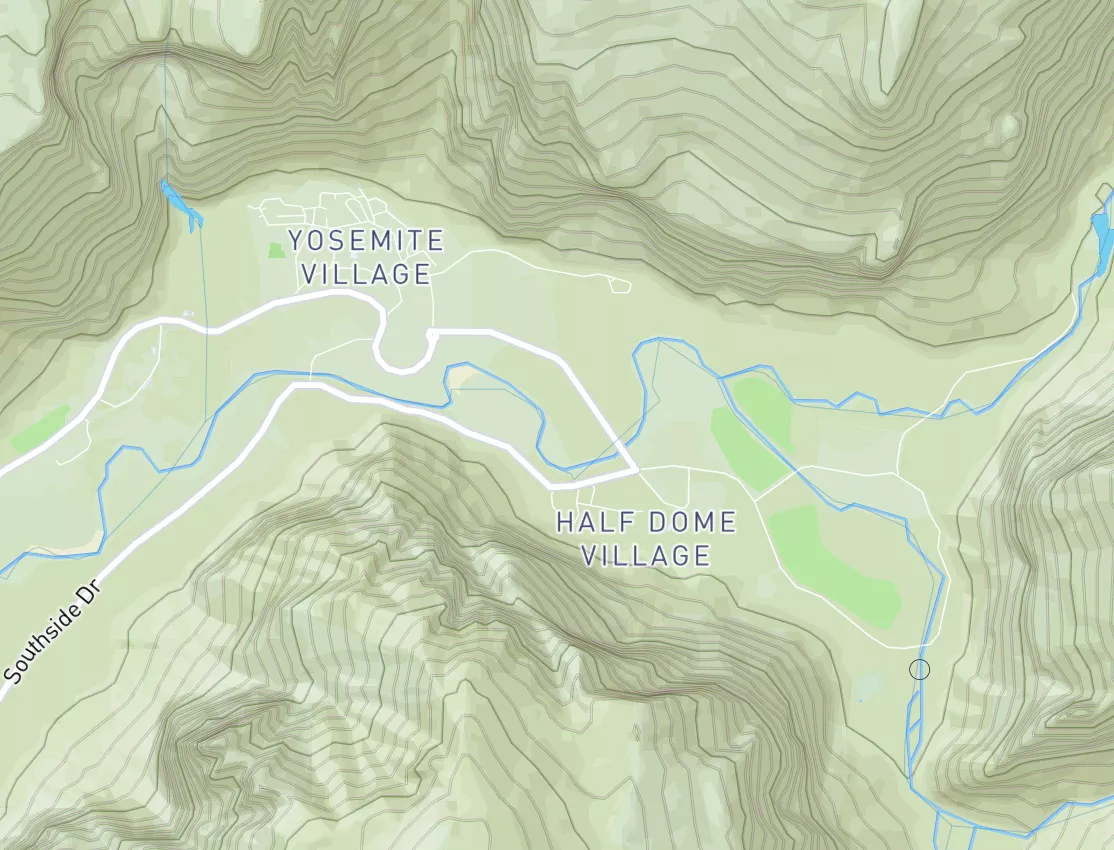
1. Size and Location: State Game Lands 183 covers approximately 2,190 acres in Lackawanna County, Pennsylvania.
2. Conservation Efforts: The game lands are managed by the Pennsylvania Game Commission, which focuses on preserving habitats and promoting sustainable use of natural resources.
3. Historical Significance: Some areas within the game lands were once sites of coal mining operations, adding historical significance to the area.
Best Time to Visit:
The best time to visit State Game Lands 183 depends on the activities you wish to engage in. For wildlife viewing, spring and fall are ideal as migratory birds pass through and the foliage offers excellent camouflage. Hunting season typically occurs in the fall. Hiking and picnicking can be enjoyed throughout the year, but spring and summer offer pleasant weather conditions.
It is recommended to check the Pennsylvania Game Commission's website or contact local authorities for specific regulations, permit requirements, and up-to-date information before visiting State Game Lands 183.
15-Day Long Term Forecast
5-Day Hourly Forecast Detail
Park & Land Designation Reference
Large protected natural areas managed by the federal government to preserve significant landscapes, ecosystems, and cultural resources; recreation is allowed but conservation is the priority.
State Park
Public natural or recreational areas managed by a state government, typically smaller than national parks and focused on regional natural features, recreation, and education.
Local Park
Community-level parks managed by cities or counties, emphasizing recreation, playgrounds, sports, and green space close to populated areas.
Wilderness Area
The highest level of land protection in the U.S.; designated areas where nature is left essentially untouched, with no roads, structures, or motorized access permitted.
National Recreation Area
Areas set aside primarily for outdoor recreation (boating, hiking, fishing), often around reservoirs, rivers, or scenic landscapes; may allow more development.
National Conservation Area (BLM)
BLM-managed areas with special ecological, cultural, or scientific value; more protection than typical BLM land but less strict than Wilderness Areas.
State Forest
State-managed forests focused on habitat, watershed, recreation, and sustainable timber harvest.
National Forest
Federally managed lands focused on multiple use—recreation, wildlife habitat, watershed protection, and resource extraction (like timber)—unlike the stricter protections of national parks.
Wilderness
A protected area set aside to conserve specific resources—such as wildlife, habitats, or scientific features—with regulations varying widely depending on the managing agency and purpose.
Bureau of Land Management (BLM) Land
Vast federal lands managed for mixed use—recreation, grazing, mining, conservation—with fewer restrictions than national parks or forests.
Related References
Area Campgrounds
| Location | Reservations | Toilets |
|---|---|---|
 Wilsonville Rec Area - PPL
|
||
 White Deer Camp
|
||
 Caffrey Rec Area - PPL
|
||
 Lake Owego Camp
|
||
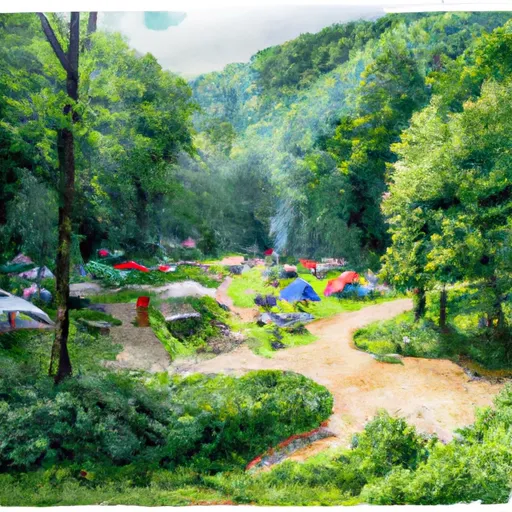 Camp Timber Tops
|
||
 Camp Shohola
|
 Bruce Lake Natural Area
 Little Mud Pond Swamp Natural Area
 Pine Lake Natural Area
 Promised Land State Park
 State Game Lands 116
 Continue with Snoflo Premium