
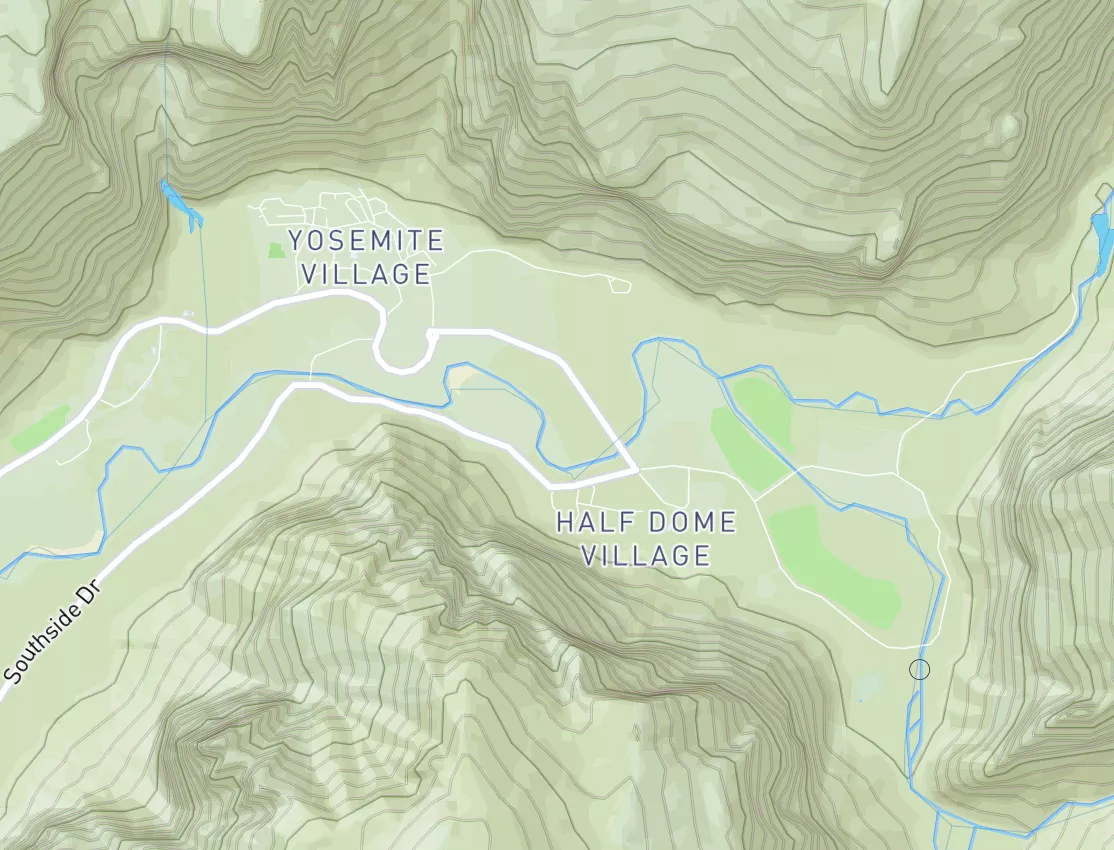

Sailboard Park
Last Updated: May 6, 2026
Leave a Rating°F
°F
mph
Wind
%
Humidity
Sailboard Park, located in Washington state, offers a diverse range of attractions and activities that appeal to visitors of all ages.
Summary
Situated on the beautiful Columbia River, this destination provides a picturesque setting for outdoor enthusiasts and water sports lovers. Here is a summary of Sailboard Park, including reasons to visit, points of interest, interesting facts, and the best time of year to plan your trip.
Reasons to Visit:
1. Water Sports: Sailboard Park is renowned for its excellent conditions for windsurfing, kiteboarding, and paddleboarding. The strong and consistent winds, combined with the wide and open waters of the Columbia River, make it an ideal spot for these activities.
2. Scenic Beauty: The park's location along the Columbia River Gorge provides breathtaking views of the surrounding cliffs, lush greenery, and cascading waterfalls. Nature enthusiasts will appreciate the stunning landscapes this area has to offer.
3. Family-Friendly Environment: With designated swimming areas, picnic spots, and play structures, Sailboard Park is a great destination for families. Children can enjoy the water and parents can relax on the beach while soaking up the sun.
Points of Interest:
1. The Hatchery: Located near Sailboard Park, The Hatchery is a popular attraction for visitors interested in learning about salmon and other fish species. This fish hatchery offers educational tours and provides an opportunity for visitors to observe the fish migration process.
2. Multnomah Falls: A short drive from Sailboard Park, Multnomah Falls is a remarkable waterfall and a must-visit destination in the area. With its two-tiered drop, it is one of the tallest and most beautiful waterfalls in the United States.
Interesting Facts:
1. The Columbia River Gorge is a world-renowned windsurfing destination due to its consistent wind patterns. Wind enthusiasts from all over the world come to Sailboard Park to take advantage of the prime windsurfing conditions.
2. The area surrounding Sailboard Park is known for its wine production. Visitors can explore nearby wineries and vineyards, tasting some of the region's finest wines.
Best Time to Visit:
The best time to visit Sailboard Park and the Columbia River Gorge is during the summer months, particularly between June and September. During this period, you can expect warmer temperatures, stronger winds, and a higher chance of clear skies. However, it is important to note that wind conditions can vary, so it is advisable to check local wind forecasts before planning your visit.
To ensure accuracy, it is recommended to verify the information provided about Sailboard Park and the Columbia River Gorge by consulting multiple independent sources, such as official park websites, travel guides, and local tourism boards.
15-Day Long Term Forecast
5-Day Hourly Forecast Detail
Park & Land Designation Reference
Large protected natural areas managed by the federal government to preserve significant landscapes, ecosystems, and cultural resources; recreation is allowed but conservation is the priority.
State Park
Public natural or recreational areas managed by a state government, typically smaller than national parks and focused on regional natural features, recreation, and education.
Local Park
Community-level parks managed by cities or counties, emphasizing recreation, playgrounds, sports, and green space close to populated areas.
Wilderness Area
The highest level of land protection in the U.S.; designated areas where nature is left essentially untouched, with no roads, structures, or motorized access permitted.
National Recreation Area
Areas set aside primarily for outdoor recreation (boating, hiking, fishing), often around reservoirs, rivers, or scenic landscapes; may allow more development.
National Conservation Area (BLM)
BLM-managed areas with special ecological, cultural, or scientific value; more protection than typical BLM land but less strict than Wilderness Areas.
State Forest
State-managed forests focused on habitat, watershed, recreation, and sustainable timber harvest.
National Forest
Federally managed lands focused on multiple use—recreation, wildlife habitat, watershed protection, and resource extraction (like timber)—unlike the stricter protections of national parks.
Wilderness
A protected area set aside to conserve specific resources—such as wildlife, habitats, or scientific features—with regulations varying widely depending on the managing agency and purpose.
Bureau of Land Management (BLM) Land
Vast federal lands managed for mixed use—recreation, grazing, mining, conservation—with fewer restrictions than national parks or forests.
Related References
Area Campgrounds
| Location | Reservations | Toilets |
|---|---|---|
 Memaloose State Park Campground
|
||
 Tucker County Park
|
||
 Memaloose State Park
|
||
 Viento State Park North Campground
|
||
 Viento State Park
|
||
 Moss Creek
|
 Koberg Beach State Park
 White Salmon City Park
 Panorama Point County Park
 Jewett Creek Park
 Memorial Rose Garden
 Continue with Snoflo Premium