
White Clay Creek State Park
Last Updated: May 4, 2026
Leave a RatingNearby: Coverdale Park Fairfield Crest Park
°F
°F
mph
Wind
%
Humidity
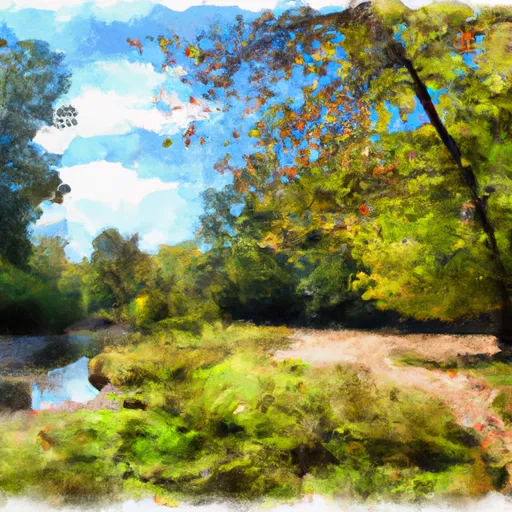
White Clay Creek State Park, located in Delaware, is a captivating natural area offering visitors a wide range of recreational activities and breathtaking scenery.
Summary
With its diverse habitats, historical significance, and abundance of outdoor opportunities, there are several compelling reasons to visit this state park.
One of the main attractions of White Clay Creek State Park is its extensive trail system, which covers over 37 miles. Hikers, bikers, and equestrians can explore these picturesque trails, meandering through forests, meadows, and along the banks of the White Clay Creek. The park also offers guided nature walks, providing educational opportunities to learn about the local flora and fauna.
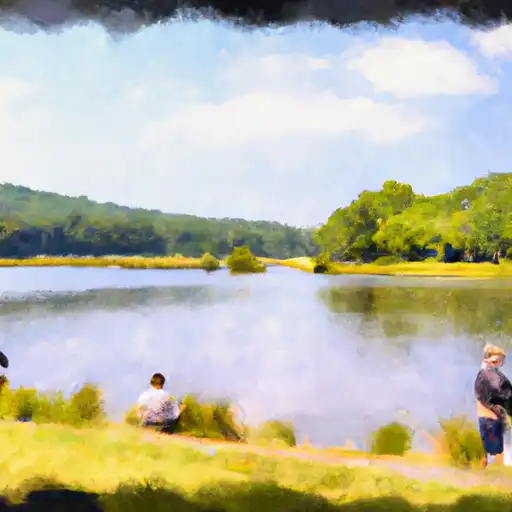
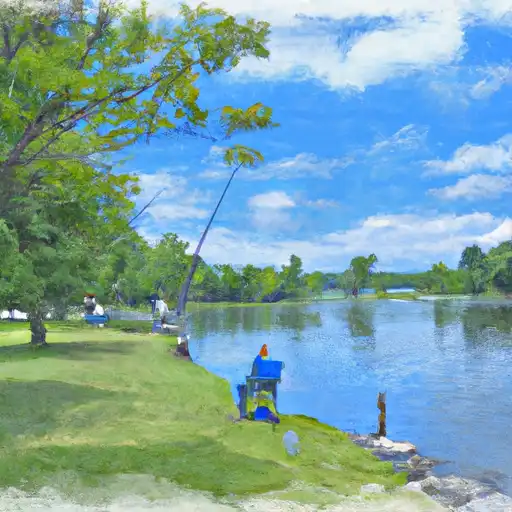
The White Clay Creek itself is a major highlight of the park. This scenic waterway offers excellent fishing opportunities, with a variety of fish species, including trout, bass, and sunfish. Additionally, visitors can enjoy kayaking or canoeing along the creek, immersing themselves in the tranquil surroundings and admiring the stunning views.
History enthusiasts will appreciate the park's rich heritage. The Judge Morris Estate, located within White Clay Creek State Park, was once home to a prominent Delaware family. Visitors can explore the estate's gardens and the preserved 18th-century farm complex, offering a glimpse into the region's past.
Interesting facts about the area include the White Clay Creek's designation as a National Wild and Scenic River. This recognition highlights the creek's exceptional natural and recreational values and ensures its preservation for future generations to enjoy. Moreover, the park's diverse ecosystems support a range of wildlife, including deer, foxes, birds, and numerous species of reptiles and amphibians.
The best time to visit White Clay Creek State Park depends on personal interests. Spring and fall are particularly popular seasons due to the mild temperatures and vibrant foliage. Spring brings blooming wildflowers, while fall showcases a stunning array of colors. Summer is ideal for water activities and picnicking, while winter offers opportunities for snowshoeing and cross-country skiing.
To ensure accurate information, it is advisable to verify the details provided above through multiple independent sources, such as the official website of White Clay Creek State Park and reputable travel guides.
15-Day Long Term Forecast
5-Day Hourly Forecast Detail
Park & Land Designation Reference
Large protected natural areas managed by the federal government to preserve significant landscapes, ecosystems, and cultural resources; recreation is allowed but conservation is the priority.
State Park
Public natural or recreational areas managed by a state government, typically smaller than national parks and focused on regional natural features, recreation, and education.
Local Park
Community-level parks managed by cities or counties, emphasizing recreation, playgrounds, sports, and green space close to populated areas.
Wilderness Area
The highest level of land protection in the U.S.; designated areas where nature is left essentially untouched, with no roads, structures, or motorized access permitted.
National Recreation Area
Areas set aside primarily for outdoor recreation (boating, hiking, fishing), often around reservoirs, rivers, or scenic landscapes; may allow more development.
National Conservation Area (BLM)
BLM-managed areas with special ecological, cultural, or scientific value; more protection than typical BLM land but less strict than Wilderness Areas.
State Forest
State-managed forests focused on habitat, watershed, recreation, and sustainable timber harvest.
National Forest
Federally managed lands focused on multiple use—recreation, wildlife habitat, watershed protection, and resource extraction (like timber)—unlike the stricter protections of national parks.
Wilderness
A protected area set aside to conserve specific resources—such as wildlife, habitats, or scientific features—with regulations varying widely depending on the managing agency and purpose.
Bureau of Land Management (BLM) Land
Vast federal lands managed for mixed use—recreation, grazing, mining, conservation—with fewer restrictions than national parks or forests.
Related References
Area Campgrounds
| Location | Reservations | Toilets |
|---|---|---|
 Lums Pond Youth Camping
|
||
 Sandy Hill Camp
|
||
 Camp Rodney
|
 Coverdale Park
 Fairfield Crest Park
 Orville Clark Park
 Curtis Mill Park
 White Clay Park
 Cherry Island Range
 Liston Range
 Lake Como
 Garrison's Lake
 Hoy Park Fishing Dock
 Continue with Snoflo Premium