
Worthington State Forest
Last Updated: April 24, 2026
Leave a Rating°F
°F
mph
Wind
%
Humidity
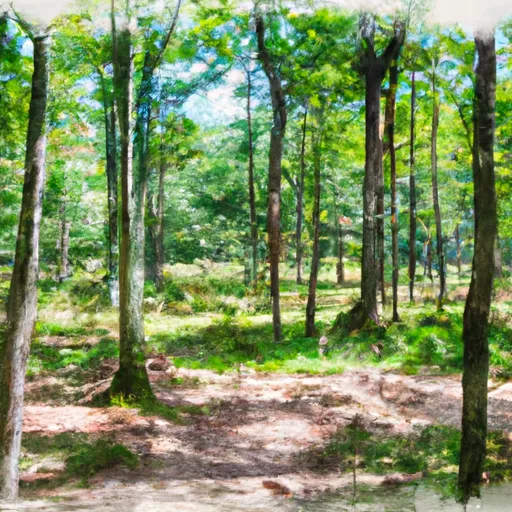
Worthington State Forest, located in the state of New Jersey, is a pristine natural area that offers visitors a wide range of recreational activities amidst its scenic beauty.
Summary
Here is a summary of this picturesque state forest, highlighting the reasons to visit, points of interest, interesting facts, and the best time to plan a trip.
Reasons to Visit:
1. Natural Beauty: Worthington State Forest is renowned for its stunning natural beauty, encompassing picturesque vistas, lush forests, and the majestic Delaware Water Gap.
2. Outdoor Recreation: The area provides ample opportunities for outdoor enthusiasts, including hiking, fishing, camping, picnicking, canoeing, and wildlife observation.
3. Varied Trails: The forest boasts a network of trails for all skill levels, offering hikers a chance to explore diverse landscapes, including waterfalls, rivers, and breathtaking overlooks.
4. Historical Significance: The park is home to historical landmarks, such as Dunnfield Creek Natural Area, where remnants of old mills and settlements can be found.
Points of Interest:
1. Mount Tammany: A popular hiking destination, Mount Tammany offers panoramic views of the Delaware Water Gap and surrounding mountains.
2. Sunfish Pond: Nestled within the forest, Sunfish Pond is a glacial lake renowned for its tranquility and unique ecosystem.
3. Dunnfield Creek: This picturesque creek features cascades, waterfalls, and serene pools, making it a perfect spot for photography or a refreshing dip.
Interesting Facts:
1. Worthington State Forest covers an area of approximately 6,300 acres and is part of the larger Delaware Water Gap National Recreation Area.
2. The forest is named after Charles Worthington, a geologist and surveyor who played a significant role in preserving the Delaware Water Gap area.
3. The Appalachian Trail, a famous long-distance hiking trail stretching over 2,000 miles, passes through Worthington State Forest.
Best Time to Visit:
The ideal time to visit Worthington State Forest is during the spring and fall seasons. Spring brings blooming wildflowers and vibrant foliage, while autumn showcases a stunning display of colors. Summer offers warm weather for water activities, but the park can get crowded. Winter attracts fewer visitors, but the park is beautiful when covered in snow, and winter sports activities like cross-country skiing are available.
Sources:
1. "Worthington State Forest." New Jersey Division of Parks and Forestry - Department of Environmental Protection.
2. "Worthington State Forest." VisitNJ.org - Official Tourism Website of New Jersey.
3. "Worthington State Forest." Delaware Water Gap National Recreation Area - National Park Service.
15-Day Long Term Forecast
5-Day Hourly Forecast Detail
Park & Land Designation Reference
Large protected natural areas managed by the federal government to preserve significant landscapes, ecosystems, and cultural resources; recreation is allowed but conservation is the priority.
State Park
Public natural or recreational areas managed by a state government, typically smaller than national parks and focused on regional natural features, recreation, and education.
Local Park
Community-level parks managed by cities or counties, emphasizing recreation, playgrounds, sports, and green space close to populated areas.
Wilderness Area
The highest level of land protection in the U.S.; designated areas where nature is left essentially untouched, with no roads, structures, or motorized access permitted.
National Recreation Area
Areas set aside primarily for outdoor recreation (boating, hiking, fishing), often around reservoirs, rivers, or scenic landscapes; may allow more development.
National Conservation Area (BLM)
BLM-managed areas with special ecological, cultural, or scientific value; more protection than typical BLM land but less strict than Wilderness Areas.
State Forest
State-managed forests focused on habitat, watershed, recreation, and sustainable timber harvest.
National Forest
Federally managed lands focused on multiple use—recreation, wildlife habitat, watershed protection, and resource extraction (like timber)—unlike the stricter protections of national parks.
Wilderness
A protected area set aside to conserve specific resources—such as wildlife, habitats, or scientific features—with regulations varying widely depending on the managing agency and purpose.
Bureau of Land Management (BLM) Land
Vast federal lands managed for mixed use—recreation, grazing, mining, conservation—with fewer restrictions than national parks or forests.
Related References
Area Campgrounds
| Location | Reservations | Toilets |
|---|---|---|
 Backpacker Campsite 2
|
||
 Worthington State Forest
|
||
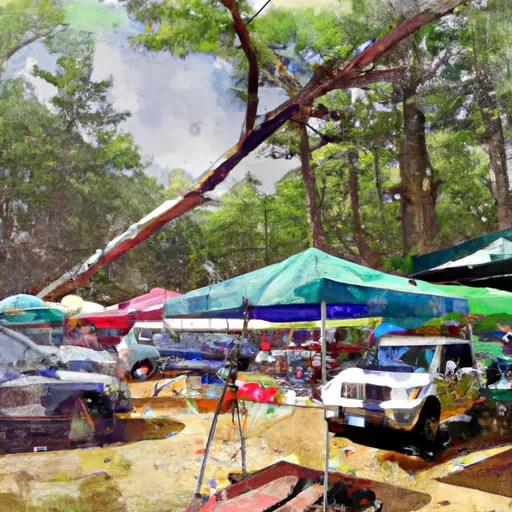 Worthington SF Campground
|
||
 Driftstone on the Delaware
|
||
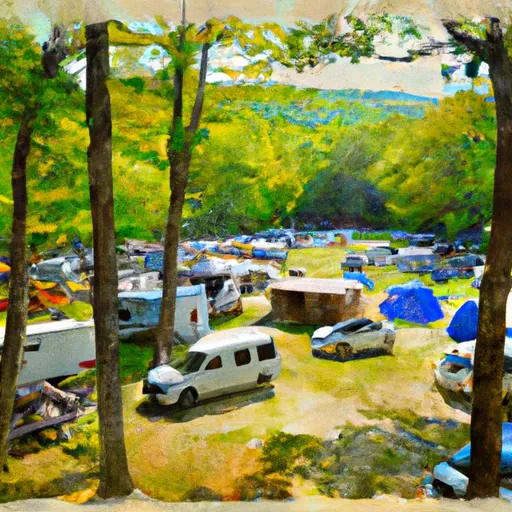 Camp Dina
|
||
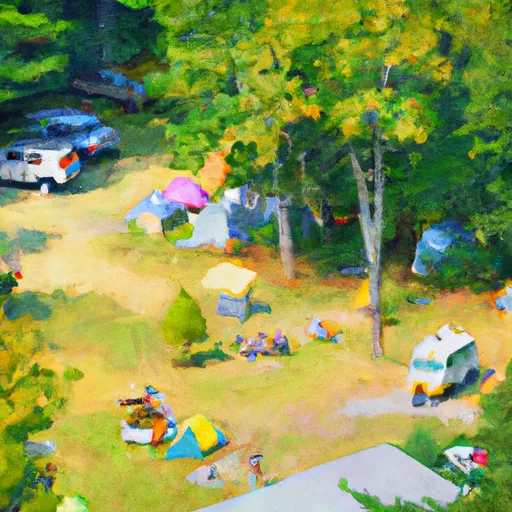 Foxwood Family Campground
|
 Delaware Water Gap National Recreation Area
 Columcille Megalith Park
 Flory'S Dam Park
 Weona Park
 Wind Gap Borough Park
 Continue with Snoflo Premium