
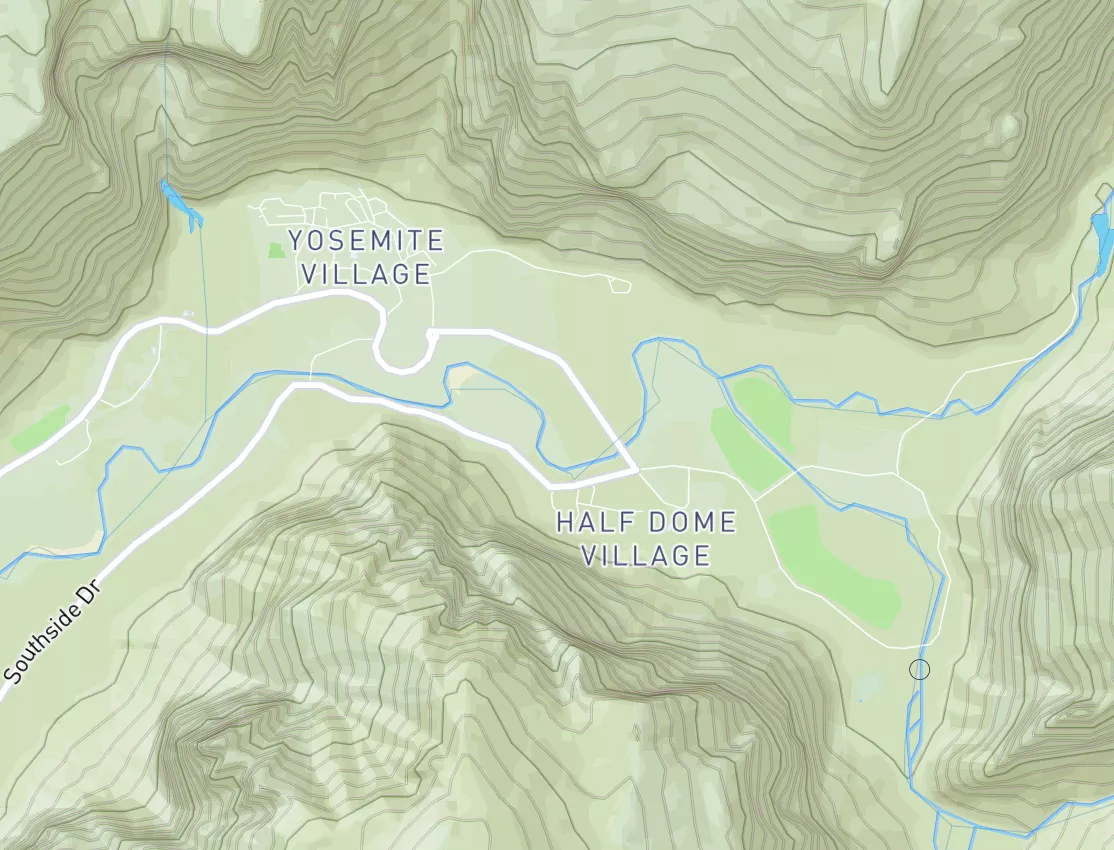

W.O. Bill Martin Municipal Park
Last Updated: May 11, 2026
Leave a Rating°F
°F
mph
Wind
%
Humidity
W.O.
Summary
Bill Martin Municipal Park is a picturesque park located in the state of South Carolina. It offers visitors a variety of reasons to visit, including its beautiful natural setting, numerous points of interest, and interesting facts about the area.
One of the primary reasons to visit W.O. Bill Martin Municipal Park is its stunning natural beauty. Situated on the outskirts of a charming town, the park boasts lush greenery, towering trees, and well-maintained trails. It provides a peaceful environment for leisurely walks, picnics, or simply unwinding in nature.
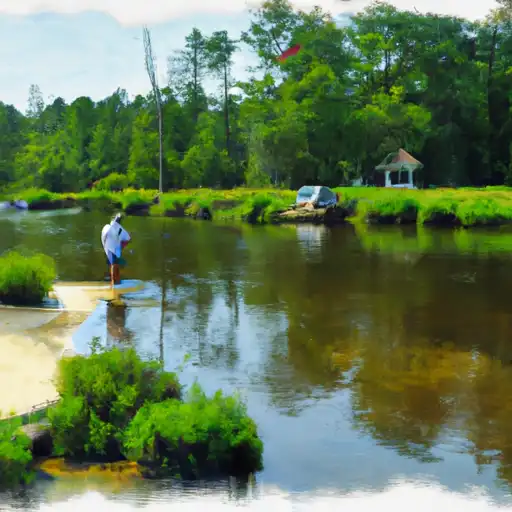
Several points of interest make the park a must-visit destination. The park features a large lake, perfect for fishing and boating enthusiasts. Visitors can bring their own boats or rent them from nearby establishments. The lake is also home to a variety of bird species, making it an excellent spot for birdwatching. Additionally, the park offers well-equipped playgrounds for children, sports fields for recreational activities, and pavilions for family gatherings and events.
Interesting facts about the area include its historical significance. The park is named after W.O. Bill Martin, a prominent figure in the local community who played a vital role in establishing the park. The area also has a rich cultural heritage, with numerous festivals and events held throughout the year, showcasing the region's traditions and customs.
The best time of year to visit W.O. Bill Martin Municipal Park is during the spring and fall seasons. South Carolina's mild climate during these times ensures comfortable temperatures for outdoor activities. Spring brings blooming flowers and vibrant foliage, while fall offers stunning displays of changing leaves. It is advisable to check the weather forecast before planning a visit to the park, as extreme weather conditions, such as hurricanes or heavy rainfall, may affect accessibility and safety.
To ensure accuracy, it is recommended to verify the information provided about W.O. Bill Martin Municipal Park across multiple independent sources, such as official websites, local tourism boards, and visitor reviews.
15-Day Long Term Forecast
5-Day Hourly Forecast Detail
Park & Land Designation Reference
Large protected natural areas managed by the federal government to preserve significant landscapes, ecosystems, and cultural resources; recreation is allowed but conservation is the priority.
State Park
Public natural or recreational areas managed by a state government, typically smaller than national parks and focused on regional natural features, recreation, and education.
Local Park
Community-level parks managed by cities or counties, emphasizing recreation, playgrounds, sports, and green space close to populated areas.
Wilderness Area
The highest level of land protection in the U.S.; designated areas where nature is left essentially untouched, with no roads, structures, or motorized access permitted.
National Recreation Area
Areas set aside primarily for outdoor recreation (boating, hiking, fishing), often around reservoirs, rivers, or scenic landscapes; may allow more development.
National Conservation Area (BLM)
BLM-managed areas with special ecological, cultural, or scientific value; more protection than typical BLM land but less strict than Wilderness Areas.
State Forest
State-managed forests focused on habitat, watershed, recreation, and sustainable timber harvest.
National Forest
Federally managed lands focused on multiple use—recreation, wildlife habitat, watershed protection, and resource extraction (like timber)—unlike the stricter protections of national parks.
Wilderness
A protected area set aside to conserve specific resources—such as wildlife, habitats, or scientific features—with regulations varying widely depending on the managing agency and purpose.
Bureau of Land Management (BLM) Land
Vast federal lands managed for mixed use—recreation, grazing, mining, conservation—with fewer restrictions than national parks or forests.
Related References
Area Campgrounds
| Location | Reservations | Toilets |
|---|---|---|
 Myrtle Beach State Park
|
||
 Kampgrounds of America Myrtle Beach
|
||
 Huntington Beach State Park
|
 All Children's Park
 Huckabee Recreational Complex
 Myrtle Beach State Park
 Barc Park South
 Wachesaw Park
 Black Creek
 Bellfield Pond
 Guilliard Lake
 Rhem's Church Pond
 Old Georgetown Road Pond
 Continue with Snoflo Premium