
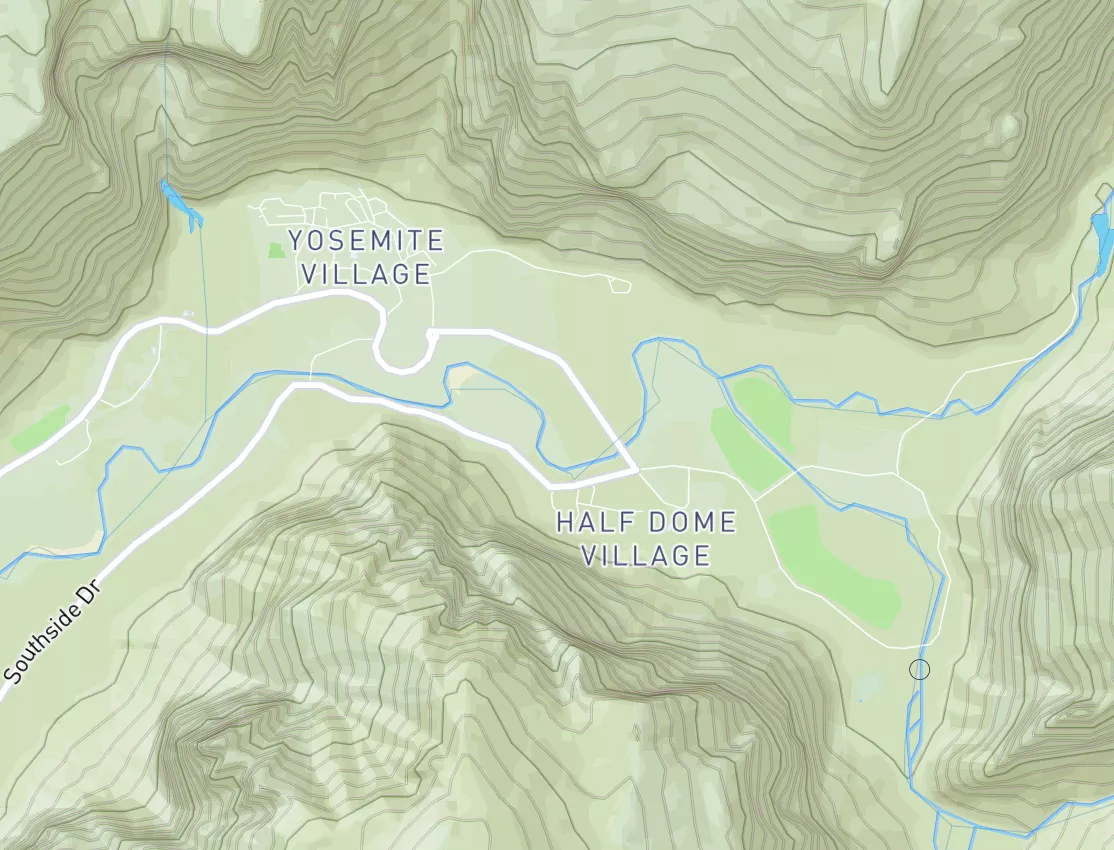

Warren Woods Forest Preserve
Last Updated: April 23, 2026
Leave a Rating°F
°F
mph
Wind
%
Humidity
Warren Woods Forest Preserve is a captivating natural haven located in the state of Michigan.
Summary
Spread across 311 acres, this preserve offers visitors a unique and immersive experience in a diverse and enchanting ecosystem. With its rich biodiversity, numerous points of interest, and various recreational activities, there are several good reasons why one should consider visiting this remarkable destination.
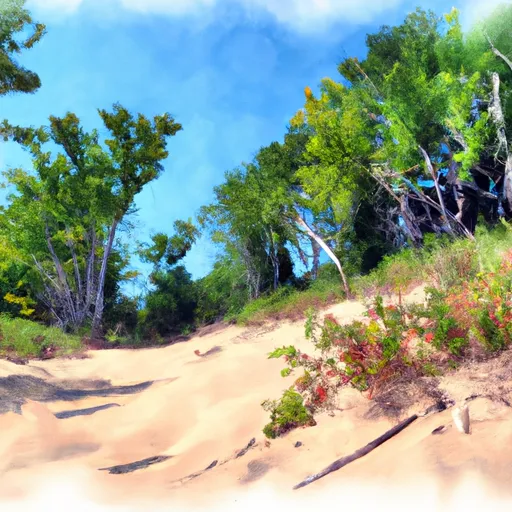
One of the main reasons to visit Warren Woods Forest Preserve is its outstanding natural beauty. The preserve is renowned for its old-growth forest, which is rare in the Midwest region. Towering trees, some of which are more than 300 years old, create a serene and picturesque atmosphere, providing an excellent opportunity for hiking, birdwatching, and photography.
There are several points of interest within the preserve that are worth exploring. The Warren Woods Nature Center, located at the entrance of the preserve, serves as an educational hub, hosting various programs and events throughout the year. It is an excellent starting point to learn about the local flora, fauna, and conservation efforts. Additionally, visitors can enjoy scenic trails that wind through the forest, offering a chance to witness the unique plant and animal species that thrive in this habitat.
Warren Woods Forest Preserve is also home to three rare and protected plant species: the white trout lily, the overcup oak, and the swamp cottonwood. These species, along with an array of other wildflowers, ferns, and mosses, contribute to the preserve's tremendous ecological value.
The best time to visit Warren Woods Forest Preserve is during the spring and fall seasons. In the spring, the forest comes alive with vibrant wildflowers, including trilliums, hepaticas, and Dutchman's breeches. Fall, on the other hand, offers a stunning display of foliage as the leaves of maple, oak, and beech trees transform into a kaleidoscope of red, orange, and yellow hues.
To ensure accuracy, information about Warren Woods Forest Preserve can be cross-checked across multiple independent sources such as the official website of the preserve, local tourism websites, travel blogs, and reputable publications that cover Michigan's natural attractions.
15-Day Long Term Forecast
5-Day Hourly Forecast Detail
Park & Land Designation Reference
Large protected natural areas managed by the federal government to preserve significant landscapes, ecosystems, and cultural resources; recreation is allowed but conservation is the priority.
State Park
Public natural or recreational areas managed by a state government, typically smaller than national parks and focused on regional natural features, recreation, and education.
Local Park
Community-level parks managed by cities or counties, emphasizing recreation, playgrounds, sports, and green space close to populated areas.
Wilderness Area
The highest level of land protection in the U.S.; designated areas where nature is left essentially untouched, with no roads, structures, or motorized access permitted.
National Recreation Area
Areas set aside primarily for outdoor recreation (boating, hiking, fishing), often around reservoirs, rivers, or scenic landscapes; may allow more development.
National Conservation Area (BLM)
BLM-managed areas with special ecological, cultural, or scientific value; more protection than typical BLM land but less strict than Wilderness Areas.
State Forest
State-managed forests focused on habitat, watershed, recreation, and sustainable timber harvest.
National Forest
Federally managed lands focused on multiple use—recreation, wildlife habitat, watershed protection, and resource extraction (like timber)—unlike the stricter protections of national parks.
Wilderness
A protected area set aside to conserve specific resources—such as wildlife, habitats, or scientific features—with regulations varying widely depending on the managing agency and purpose.
Bureau of Land Management (BLM) Land
Vast federal lands managed for mixed use—recreation, grazing, mining, conservation—with fewer restrictions than national parks or forests.
Related References
Area Campgrounds
| Location | Reservations | Toilets |
|---|---|---|
 Warren Dunes State Park
|
||
 Warren Dunes-Rustic
|
||
 Weko Beach
|
 Warren Dunes State Park
 State Natural Area Warren Dunes Nature Study Area
 Oselka Park
 Spicer Lake County Park
 Lake Township Park
 Continue with Snoflo Premium