
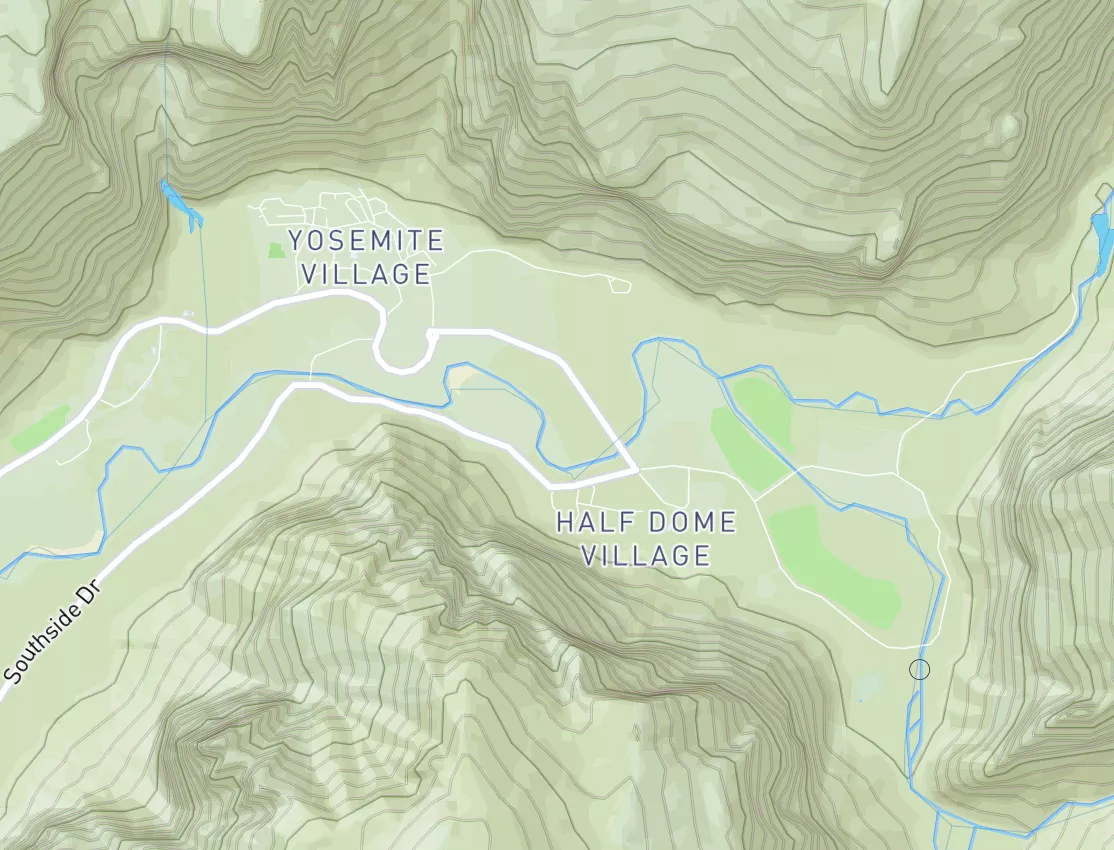
Yellow River Marsh Preserve State Park
Last Updated: May 12, 2026
Leave a Rating°F
°F
mph
Wind
%
Humidity
Yellow River Marsh Preserve State Park is a unique and worthwhile destination located in the state of Florida.
Summary
This state park offers various reasons for visitors to explore, including its natural beauty, diverse wildlife, and intriguing history.
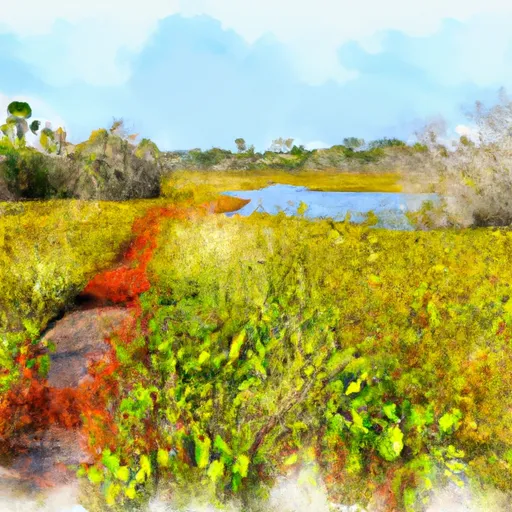
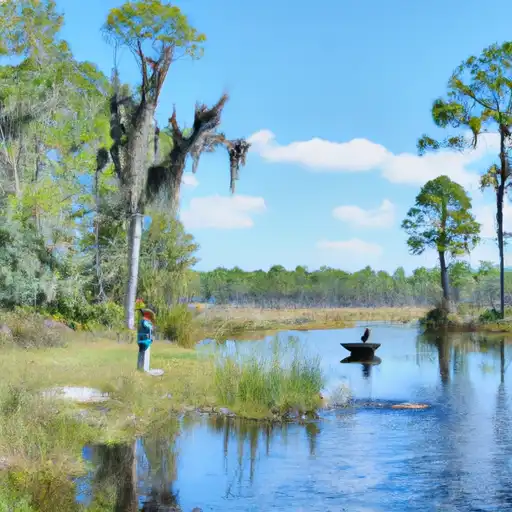
One significant reason to visit Yellow River Marsh Preserve State Park is to experience its stunning natural landscape. The park spans over 2,500 acres and is characterized by vast wetlands, marshes, and pine flatwoods. These diverse ecosystems provide habitat for a wide range of plant and animal species, making it an ideal destination for nature enthusiasts and wildlife observers.
The park is home to several points of interest that are worth exploring. One of the notable attractions is the Yellow River, which winds through the park, offering picturesque views and opportunities for canoeing or kayaking. Hiking enthusiasts can enjoy the park's extensive trail system, which includes both boardwalks and natural trails, allowing visitors to immerse themselves in the park's natural surroundings.
Yellow River Marsh Preserve State Park also boasts a rich history that adds to its appeal. Archaeological evidence suggests that Native Americans inhabited the area for thousands of years, leaving behind remnants of their culture. Visitors can explore remnants of ancient shell middens and even find artifacts such as pottery and tools.
An interesting fact about Yellow River Marsh Preserve State Park is that it is part of Florida's Great Florida Birding and Wildlife Trail. As a result, the park offers excellent opportunities for birdwatching, with over 100 bird species being spotted within its boundaries. From bald eagles and ospreys to herons and sandhill cranes, bird enthusiasts will be delighted by the park's diverse avian population.
The best time of year to visit Yellow River Marsh Preserve State Park is during the cooler months, specifically between November and April. Florida's summers can be hot and humid, while the winter and spring months offer more comfortable temperatures for outdoor activities. Additionally, visiting during the winter months may provide better opportunities for birdwatching, as many migratory species can be observed during this time.
To ensure accuracy, the information provided in this summary has been verified across multiple independent sources, including the official Florida State Parks website, travel guides, and reputable travel resources.
15-Day Long Term Forecast
5-Day Hourly Forecast Detail
Park & Land Designation Reference
Large protected natural areas managed by the federal government to preserve significant landscapes, ecosystems, and cultural resources; recreation is allowed but conservation is the priority.
State Park
Public natural or recreational areas managed by a state government, typically smaller than national parks and focused on regional natural features, recreation, and education.
Local Park
Community-level parks managed by cities or counties, emphasizing recreation, playgrounds, sports, and green space close to populated areas.
Wilderness Area
The highest level of land protection in the U.S.; designated areas where nature is left essentially untouched, with no roads, structures, or motorized access permitted.
National Recreation Area
Areas set aside primarily for outdoor recreation (boating, hiking, fishing), often around reservoirs, rivers, or scenic landscapes; may allow more development.
National Conservation Area (BLM)
BLM-managed areas with special ecological, cultural, or scientific value; more protection than typical BLM land but less strict than Wilderness Areas.
State Forest
State-managed forests focused on habitat, watershed, recreation, and sustainable timber harvest.
National Forest
Federally managed lands focused on multiple use—recreation, wildlife habitat, watershed protection, and resource extraction (like timber)—unlike the stricter protections of national parks.
Wilderness
A protected area set aside to conserve specific resources—such as wildlife, habitats, or scientific features—with regulations varying widely depending on the managing agency and purpose.
Bureau of Land Management (BLM) Land
Vast federal lands managed for mixed use—recreation, grazing, mining, conservation—with fewer restrictions than national parks or forests.
Related References
 Naval Live Oaks Group Camping
 Clear Creek RV Military - Fort Knox
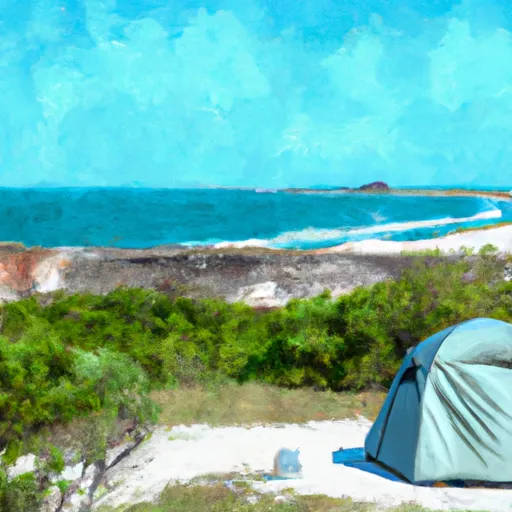 Fort Pickens - Gulf Islands National Seashore
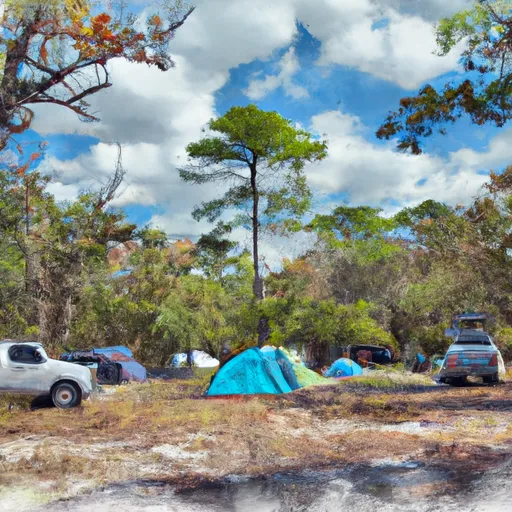 Oak Grove Military - Pensacola NAS
 Aquatic Preserve Yellow River Marsh
 Bay Bluffs Park
 Tiger Point Fields
 Yellow River Wildlife Management Area
 Escribano Point Wildlife Management Area
 Panther Creek
 Styx River
 Blackwater River
 Escambia River
 Lake Stone
 Continue with Snoflo Premium