

Fort Ann Waterfront Park
Last Updated: April 24, 2026
Leave a Rating°F
°F
mph
Wind
%
Humidity
Fort Ann Waterfront Park is a beautiful and serene park located in Fort Ann, New York.
Summary
Situated on the eastern shore of Lake George, the park offers breathtaking views of the lake and the surrounding Adirondack Mountains. The park is a popular spot for picnicking, swimming, hiking, and boating.
One of the main attractions of Fort Ann Waterfront Park is the swimming area, which is perfect for families and children. The park has a large sandy beach and a designated swimming area with lifeguards on duty during the summer months. Visitors can also rent kayaks, canoes, and paddleboards to explore the lake.
Another interesting feature of the park is the Fort Ann Beach House, which serves as a changing room and restroom facility for visitors. The Beach House is also available to rent for private events such as weddings, family reunions, and corporate retreats.
In addition to swimming and boating, Fort Ann Waterfront Park has several hiking trails that offer stunning views of the lake and the Adirondack Mountains. The park is also home to several species of wildlife, including bald eagles, ospreys, and loons.
The best time to visit Fort Ann Waterfront Park is during the summer months when the weather is warm and the park is bustling with activity. However, the park is also open year-round and offers a peaceful retreat for visitors looking to escape the crowds and enjoy the beauty of the lake and surrounding mountains.
15-Day Long Term Forecast
5-Day Hourly Forecast Detail
Park & Land Designation Reference
Large protected natural areas managed by the federal government to preserve significant landscapes, ecosystems, and cultural resources; recreation is allowed but conservation is the priority.
State Park
Public natural or recreational areas managed by a state government, typically smaller than national parks and focused on regional natural features, recreation, and education.
Local Park
Community-level parks managed by cities or counties, emphasizing recreation, playgrounds, sports, and green space close to populated areas.
Wilderness Area
The highest level of land protection in the U.S.; designated areas where nature is left essentially untouched, with no roads, structures, or motorized access permitted.
National Recreation Area
Areas set aside primarily for outdoor recreation (boating, hiking, fishing), often around reservoirs, rivers, or scenic landscapes; may allow more development.
National Conservation Area (BLM)
BLM-managed areas with special ecological, cultural, or scientific value; more protection than typical BLM land but less strict than Wilderness Areas.
State Forest
State-managed forests focused on habitat, watershed, recreation, and sustainable timber harvest.
National Forest
Federally managed lands focused on multiple use—recreation, wildlife habitat, watershed protection, and resource extraction (like timber)—unlike the stricter protections of national parks.
Wilderness
A protected area set aside to conserve specific resources—such as wildlife, habitats, or scientific features—with regulations varying widely depending on the managing agency and purpose.
Bureau of Land Management (BLM) Land
Vast federal lands managed for mixed use—recreation, grazing, mining, conservation—with fewer restrictions than national parks or forests.
Related References
Area Campgrounds
| Location | Reservations | Toilets |
|---|---|---|
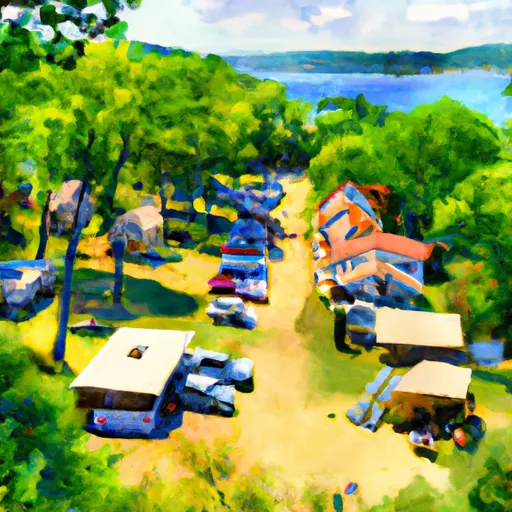 Lake Hadlock Inn, Beach and Campground
|
||
 Camp Wakpominee
|
||
 Hearthstone Point - DEC
|
||
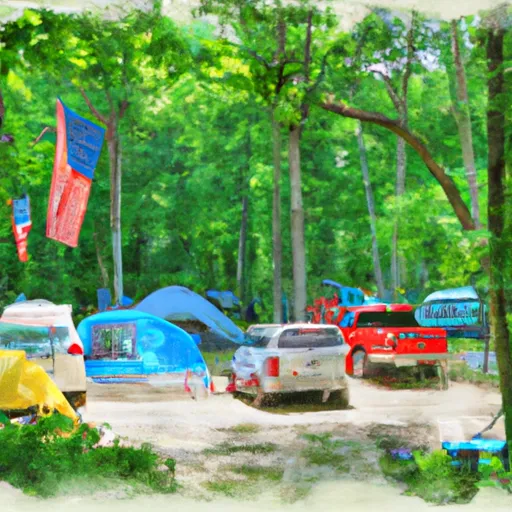 King Phillips Campground
|
||
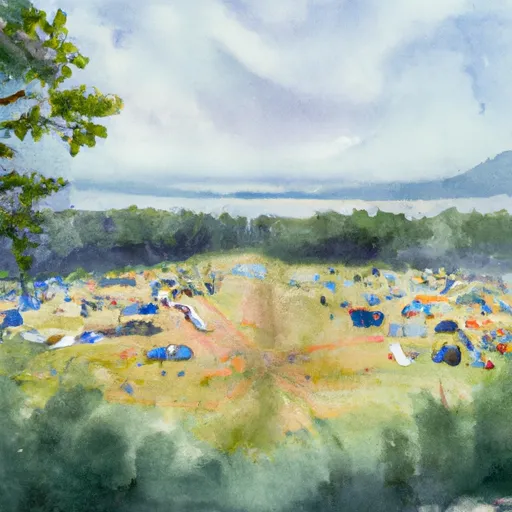 Lake George Battleground - DEC
|
 Lock 9 Canal Park
 Ridge Jenkinsville Park
 Juckett Park
 Meadowbrook Preserve
 East Field Park
 Continue with Snoflo Premium