
William B Trower Bayshore State Natural Area Preserve
Last Updated: April 24, 2026
Leave a Rating°F
°F
mph
Wind
%
Humidity
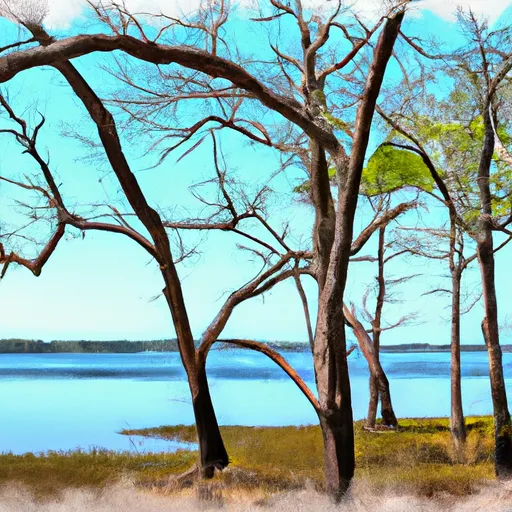
The William B Trower Bayshore State Natural Area Preserve is a renowned natural area preserve located in North Carolina.
Summary
There are several compelling reasons to visit this preserve, including its diverse wildlife, beautiful landscapes, and educational opportunities.
One of the main highlights of William B Trower Bayshore State Natural Area Preserve is its incredible array of bird species. It serves as a critical habitat for numerous migratory birds, making it a paradise for birdwatchers. Visitors can observe a wide range of birds, including herons, egrets, ospreys, and even bald eagles. The preserve's marshes, tidal flats, and open waters provide rich feeding grounds for these feathered creatures.
The area is also home to fascinating plant life, making it an attractive destination for nature enthusiasts. The preserve boasts a wide variety of salt marsh plants, including marsh elder, cordgrass, and black needlerush. These plants play a crucial role in maintaining the ecological balance of the area.
In addition to its natural beauty, William B Trower Bayshore State Natural Area Preserve offers educational opportunities for visitors. The preserve hosts guided tours and educational programs, providing valuable insights into the ecosystem and its conservation efforts. Visitors can learn about the importance of protecting coastal habitats and the various species that inhabit them.
Interesting facts about the area include its historical significance. The preserve was named after William B Trower, a local conservationist who played a significant role in preserving the natural beauty of the area. It stands as a testament to his dedication and passion for environmental conservation.
The best time to visit the William B Trower Bayshore State Natural Area Preserve is during the spring and fall seasons. During these times, various bird species migrate through the area, making it an ideal period for birdwatching. The weather is generally pleasant during these seasons, offering comfortable conditions for exploring the preserve.
To ensure accuracy, it is recommended to cross-reference the information provided with multiple independent sources, such as official park websites, environmental organizations, and travel guides specific to North Carolina.
15-Day Long Term Forecast
5-Day Hourly Forecast Detail
Park & Land Designation Reference
Large protected natural areas managed by the federal government to preserve significant landscapes, ecosystems, and cultural resources; recreation is allowed but conservation is the priority.
State Park
Public natural or recreational areas managed by a state government, typically smaller than national parks and focused on regional natural features, recreation, and education.
Local Park
Community-level parks managed by cities or counties, emphasizing recreation, playgrounds, sports, and green space close to populated areas.
Wilderness Area
The highest level of land protection in the U.S.; designated areas where nature is left essentially untouched, with no roads, structures, or motorized access permitted.
National Recreation Area
Areas set aside primarily for outdoor recreation (boating, hiking, fishing), often around reservoirs, rivers, or scenic landscapes; may allow more development.
National Conservation Area (BLM)
BLM-managed areas with special ecological, cultural, or scientific value; more protection than typical BLM land but less strict than Wilderness Areas.
State Forest
State-managed forests focused on habitat, watershed, recreation, and sustainable timber harvest.
National Forest
Federally managed lands focused on multiple use—recreation, wildlife habitat, watershed protection, and resource extraction (like timber)—unlike the stricter protections of national parks.
Wilderness
A protected area set aside to conserve specific resources—such as wildlife, habitats, or scientific features—with regulations varying widely depending on the managing agency and purpose.
Bureau of Land Management (BLM) Land
Vast federal lands managed for mixed use—recreation, grazing, mining, conservation—with fewer restrictions than national parks or forests.
Related References
 Kiptopeke State Park
 Magothy Bay State Natural Area Preserve
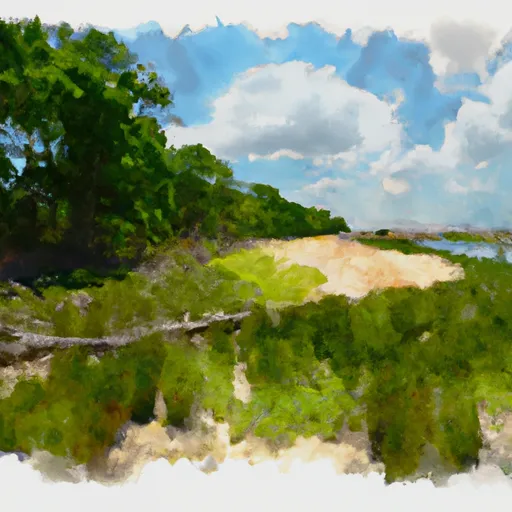 Cape Charles State Natural Area Preserve
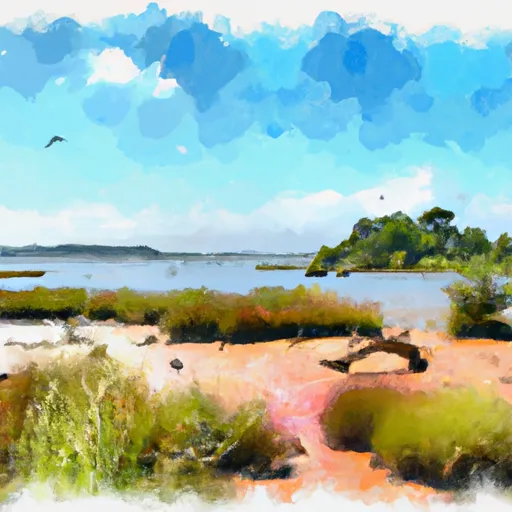 Eastern Shore National Wildlife Refuge
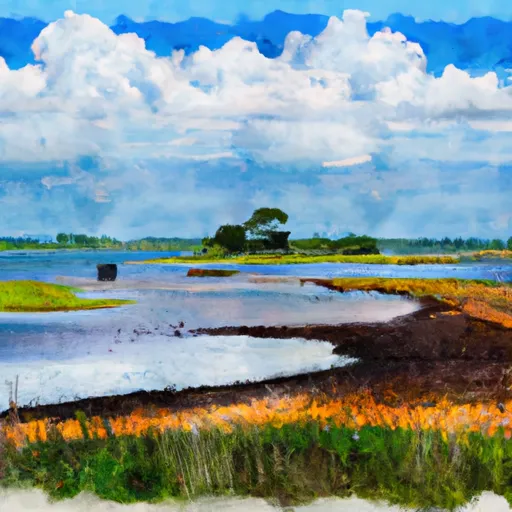 Fishermans Island National Wildlife Refuge
 Continue with Snoflo Premium