
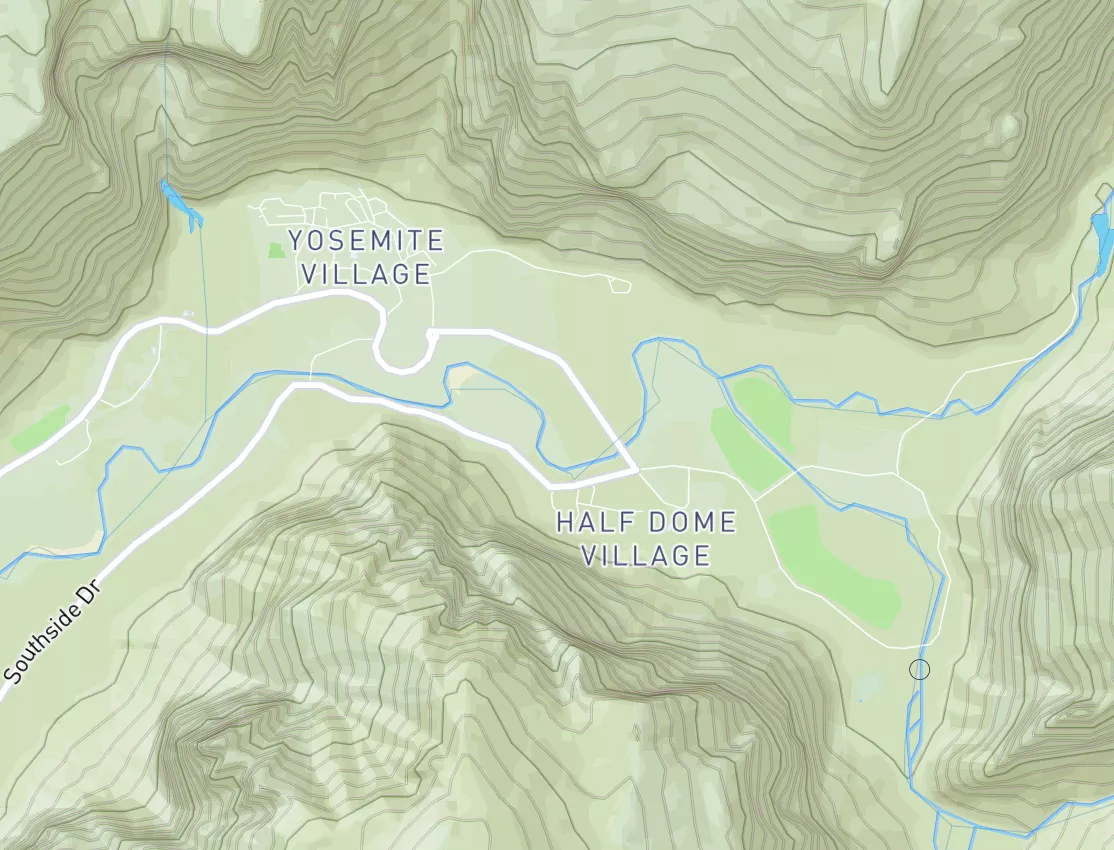

Brown's Point Lighthouse Park
Last Updated: April 14, 2026
Leave a Rating°F
°F
mph
Wind
%
Humidity
Brown's Point Lighthouse Park is a beautiful park located in Tacoma, Washington.
Summary
It is a popular destination for tourists and locals alike, offering stunning views of the Puget Sound and the lighthouse itself.
One of the main reasons to visit Brown's Point Lighthouse Park is to see the lighthouse itself. The lighthouse was first built in 1887 and has been in operation ever since. The park is also home to several walking trails, picnic areas, and a playground, making it a great place to spend a day with family and friends.
Other points of interest in the park include the historic keeper's house, which has been restored and turned into a museum, and the historic fog bell, which was used to warn ships of danger in the foggy waters of the Puget Sound.
Interesting facts about the area include the fact that the Brown's Point Lighthouse was originally built to guide ships through the hazardous waters of Commencement Bay, and that it was the first lighthouse on the West Coast to have a radio beacon. The area is also home to a variety of marine life, including seals, sea lions, and various species of fish and birds.
The best time of year to visit Brown's Point Lighthouse Park is in the summer months, when the weather is warm and sunny. However, the park is open year-round and offers beautiful views of the Puget Sound and the lighthouse in any season.
15-Day Long Term Forecast
5-Day Hourly Forecast Detail
Park & Land Designation Reference
Large protected natural areas managed by the federal government to preserve significant landscapes, ecosystems, and cultural resources; recreation is allowed but conservation is the priority.
State Park
Public natural or recreational areas managed by a state government, typically smaller than national parks and focused on regional natural features, recreation, and education.
Local Park
Community-level parks managed by cities or counties, emphasizing recreation, playgrounds, sports, and green space close to populated areas.
Wilderness Area
The highest level of land protection in the U.S.; designated areas where nature is left essentially untouched, with no roads, structures, or motorized access permitted.
National Recreation Area
Areas set aside primarily for outdoor recreation (boating, hiking, fishing), often around reservoirs, rivers, or scenic landscapes; may allow more development.
National Conservation Area (BLM)
BLM-managed areas with special ecological, cultural, or scientific value; more protection than typical BLM land but less strict than Wilderness Areas.
State Forest
State-managed forests focused on habitat, watershed, recreation, and sustainable timber harvest.
National Forest
Federally managed lands focused on multiple use—recreation, wildlife habitat, watershed protection, and resource extraction (like timber)—unlike the stricter protections of national parks.
Wilderness
A protected area set aside to conserve specific resources—such as wildlife, habitats, or scientific features—with regulations varying widely depending on the managing agency and purpose.
Bureau of Land Management (BLM) Land
Vast federal lands managed for mixed use—recreation, grazing, mining, conservation—with fewer restrictions than national parks or forests.
Related References
Area Campgrounds
| Location | Reservations | Toilets |
|---|---|---|
 Dash Point Campground
|
||
 Dash Point State Park
|
||
 Point Robinson Campground
|
||
 Gig Harbor RV Resort
|
||
 Kopachuck State Park
|
 Browns Point Playfield
 Dash Point Park & Pier
 Dash Point State Park
 Crescent Heights Park
 Continue with Snoflo Premium