
Taum Sauk Mountain State Park
Last Updated: April 15, 2026
Leave a Rating°F
°F
mph
Wind
%
Humidity
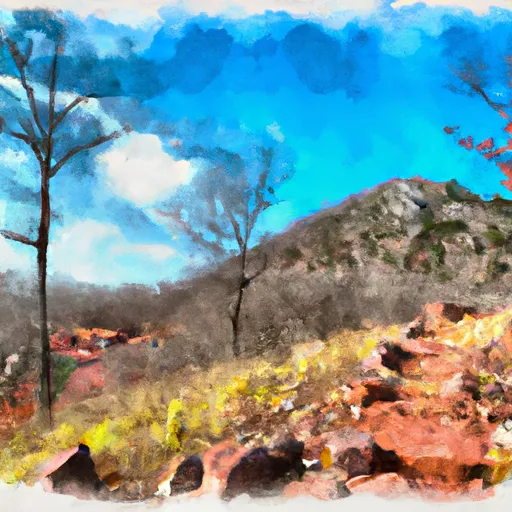
Taum Sauk Mountain State Park, located in the state of Missouri, offers visitors a plethora of reasons to explore its natural beauty.
Summary
This summary is based on information gathered from multiple independent sources to ensure accuracy.
Nestled within the St. Francois Mountains, Taum Sauk Mountain State Park is a haven for nature enthusiasts and outdoor adventurers alike. Here are some compelling reasons to visit this park:
1. Magnificent Mountain Peak: The park is home to Taum Sauk Mountain, the highest peak in Missouri, reaching an elevation of 1,772 feet. Hiking to the summit rewards visitors with stunning panoramic views of the surrounding Ozark landscape.
2. Mina Sauk Falls: This state park boasts Mina Sauk Falls, Missouri's highest waterfall. The falls cascade 132 feet down a rocky slope, creating a picturesque and serene setting. It is a must-see attraction for nature lovers and photographers.
3. Hiking Trails: With over 15 miles of trails, Taum Sauk Mountain State Park offers opportunities for hikers of all levels. The Ozark Trail, stretching over 230 miles, passes through the park and provides access to scenic overlooks, stunning rock formations, and diverse flora and fauna.
4. Wilderness Camping: The park offers primitive camping sites nestled within the wilderness, allowing visitors to immerse themselves in nature. These secluded areas provide a peaceful retreat, perfect for stargazing and enjoying the tranquility of the outdoors.
5. Unique Geological Features: Taum Sauk Mountain State Park showcases the region's unique geological formations, including exposed granite and volcanic rocks. These formations provide opportunities for exploration and add to the park's scenic allure.
Interesting facts about Taum Sauk Mountain State Park:
- The park was established in 1991 and encompasses approximately 7,448 acres.
- It is named after the Taum Sauk Mountain, which is believed to have received its name from the Native American Osage tribe.
- The park is part of the Ozark Trail system, a multi-state trail that meanders through the Ozark Mountains, providing extensive opportunities for outdoor recreation.
The best time to visit Taum Sauk Mountain State Park is during the spring and fall seasons. In spring, the park comes alive with blooming wildflowers, and the moderate temperatures are ideal for hiking. Fall offers vibrant foliage, transforming the park into a picturesque landscape. Summers can be hot and humid, while winters can be cold and snowy, limiting certain activities.
Remember to consult official sources for the most up-to-date information on fees, operating hours, and any potential restrictions or closures before planning your visit to Taum Sauk Mountain State Park.
15-Day Long Term Forecast
5-Day Hourly Forecast Detail
Park & Land Designation Reference
Large protected natural areas managed by the federal government to preserve significant landscapes, ecosystems, and cultural resources; recreation is allowed but conservation is the priority.
State Park
Public natural or recreational areas managed by a state government, typically smaller than national parks and focused on regional natural features, recreation, and education.
Local Park
Community-level parks managed by cities or counties, emphasizing recreation, playgrounds, sports, and green space close to populated areas.
Wilderness Area
The highest level of land protection in the U.S.; designated areas where nature is left essentially untouched, with no roads, structures, or motorized access permitted.
National Recreation Area
Areas set aside primarily for outdoor recreation (boating, hiking, fishing), often around reservoirs, rivers, or scenic landscapes; may allow more development.
National Conservation Area (BLM)
BLM-managed areas with special ecological, cultural, or scientific value; more protection than typical BLM land but less strict than Wilderness Areas.
State Forest
State-managed forests focused on habitat, watershed, recreation, and sustainable timber harvest.
National Forest
Federally managed lands focused on multiple use—recreation, wildlife habitat, watershed protection, and resource extraction (like timber)—unlike the stricter protections of national parks.
Wilderness
A protected area set aside to conserve specific resources—such as wildlife, habitats, or scientific features—with regulations varying widely depending on the managing agency and purpose.
Bureau of Land Management (BLM) Land
Vast federal lands managed for mixed use—recreation, grazing, mining, conservation—with fewer restrictions than national parks or forests.
Related References
Area Campgrounds
| Location | Reservations | Toilets |
|---|---|---|
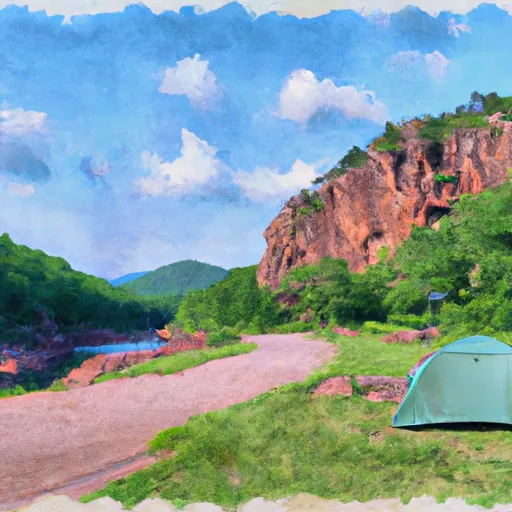 Johnsons Shut-Ins State Park
|
||
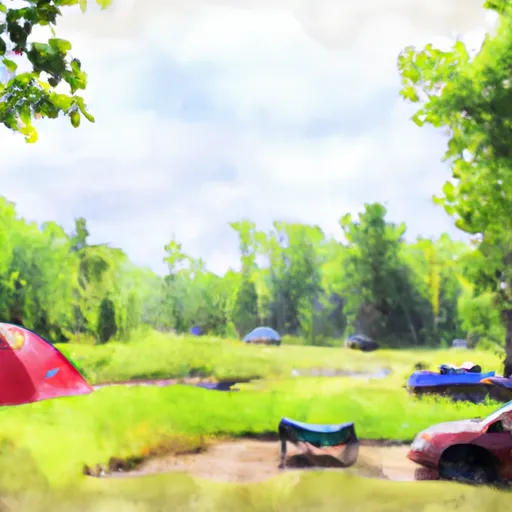 Marble Creek Recreation Area
|
||
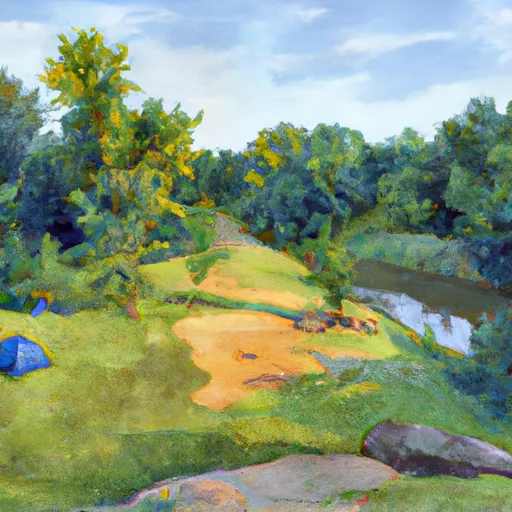 Marble Creek Rec Area
|
 Conservation Area Ketcherside Mountain
 Johnson's Shut-ins State Park
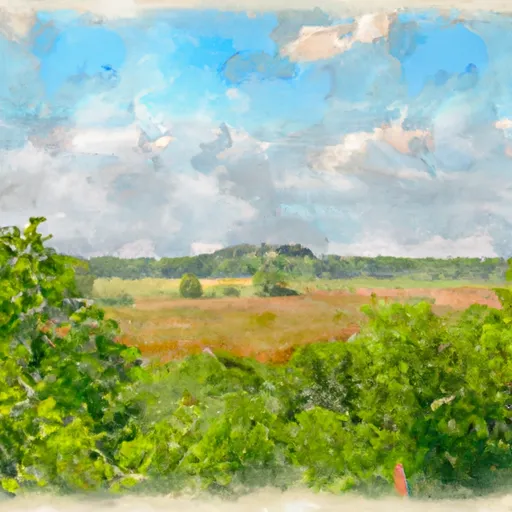 Pilot Knob National Wildlife Refuge
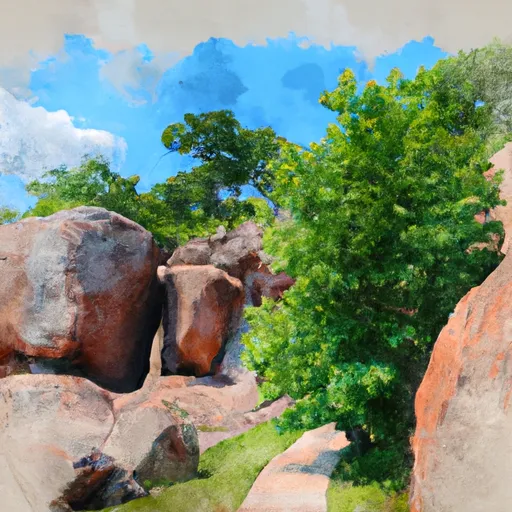 Elephant Rocks State Park
 Wilderness Bell Mountain
 Continue with Snoflo Premium