
Ymca Camp Mcalister Dam Reservoir Report
Last Updated: December 14, 2025
Ymca Camp Mcalister Dam, also known as Camp Mcalister Ymca Pond, is a private recreational facility nestled in the picturesque town of Huguenot, New York.
°F
°F
mph
Wind
%
Humidity
Summary
Built in 1955, this earth dam stands at a height of 26 feet and stretches a length of 460 feet, creating a serene oasis with a surface area of 14 acres and a storage capacity of 155 acre-feet. Surrounded by the tranquil waters of the TR-NEVERSINK RIVER, this dam is a popular destination for water resource and climate enthusiasts seeking a peaceful retreat in the heart of Orange County.
Despite its idyllic setting, Ymca Camp Mcalister Dam poses a high hazard potential with a poor condition assessment, raising concerns about its safety and maintenance. The dam is regulated by the New York State Department of Environmental Conservation, which oversees its permitting, inspection, and enforcement. With a moderate risk assessment rating of 3, there is a need for ongoing risk management measures to ensure the dam's continued safety and functionality for both recreational and environmental purposes.
As visitors enjoy the recreational opportunities offered by Ymca Camp Mcalister Dam, including fishing, boating, and wildlife watching, it is essential to appreciate the delicate balance between human enjoyment and environmental conservation. With proper management and stewardship, this dam can continue to provide a valuable resource for the community while protecting the surrounding ecosystem for generations to come.
Year Completed |
1955 |
Dam Length |
460 |
Dam Height |
26 |
River Or Stream |
TR-NEVERSINK RIVER |
Primary Dam Type |
Earth |
Surface Area |
14 |
Drainage Area |
2 |
Nid Storage |
155 |
Hazard Potential |
High |
Nid Height |
26 |
Seasonal Comparison
Weather Forecast
Nearby Streamflow Levels
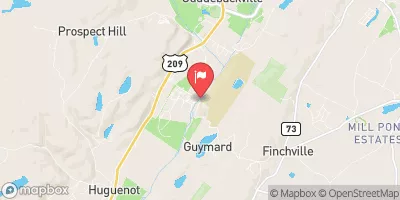 Neversink River At Godeffroy Ny
|
123cfs |
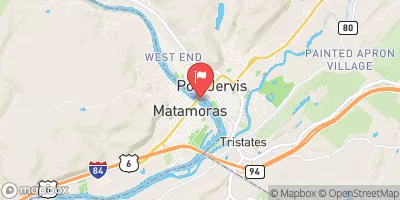 Delaware River At Port Jervis Ny
|
1690cfs |
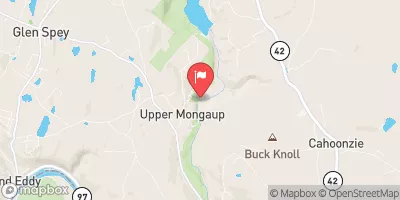 Mongaup River Near Mongaup Ny
|
119cfs |
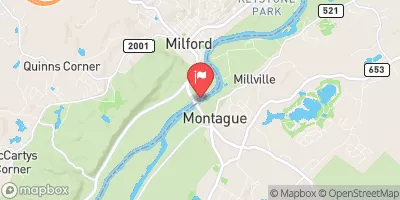 Delaware River At Montague Nj
|
1470cfs |
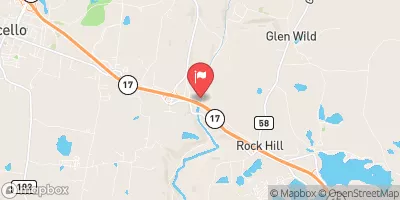 Neversink River At Bridgeville Ny
|
118cfs |
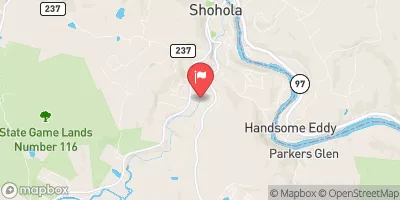 Shohola Creek Near Walker Lake
|
76cfs |
Dam Data Reference
Condition Assessment
SatisfactoryNo existing or potential dam safety deficiencies are recognized. Acceptable performance is expected under all loading conditions (static, hydrologic, seismic) in accordance with the minimum applicable state or federal regulatory criteria or tolerable risk guidelines.
Fair
No existing dam safety deficiencies are recognized for normal operating conditions. Rare or extreme hydrologic and/or seismic events may result in a dam safety deficiency. Risk may be in the range to take further action. Note: Rare or extreme event is defined by the regulatory agency based on their minimum
Poor A dam safety deficiency is recognized for normal operating conditions which may realistically occur. Remedial action is necessary. POOR may also be used when uncertainties exist as to critical analysis parameters which identify a potential dam safety deficiency. Investigations and studies are necessary.
Unsatisfactory
A dam safety deficiency is recognized that requires immediate or emergency remedial action for problem resolution.
Not Rated
The dam has not been inspected, is not under state or federal jurisdiction, or has been inspected but, for whatever reason, has not been rated.
Not Available
Dams for which the condition assessment is restricted to approved government users.
Hazard Potential Classification
HighDams assigned the high hazard potential classification are those where failure or mis-operation will probably cause loss of human life.
Significant
Dams assigned the significant hazard potential classification are those dams where failure or mis-operation results in no probable loss of human life but can cause economic loss, environment damage, disruption of lifeline facilities, or impact other concerns. Significant hazard potential classification dams are often located in predominantly rural or agricultural areas but could be in areas with population and significant infrastructure.
Low
Dams assigned the low hazard potential classification are those where failure or mis-operation results in no probable loss of human life and low economic and/or environmental losses. Losses are principally limited to the owner's property.
Undetermined
Dams for which a downstream hazard potential has not been designated or is not provided.
Not Available
Dams for which the downstream hazard potential is restricted to approved government users.
 Deerpark / Deerpark / New York City NW KOA
 DCNR Buckhorn Primitive Camping Area
 Kittatinny Canoes - River Beach Campsites
 High Point State Park - Sawmill Area
 Jerry's Three River Canoe/Campground
 Ymca Camp Mcalister Dam
 Neversink River At Oakland Valley Ny
 Matamoras