
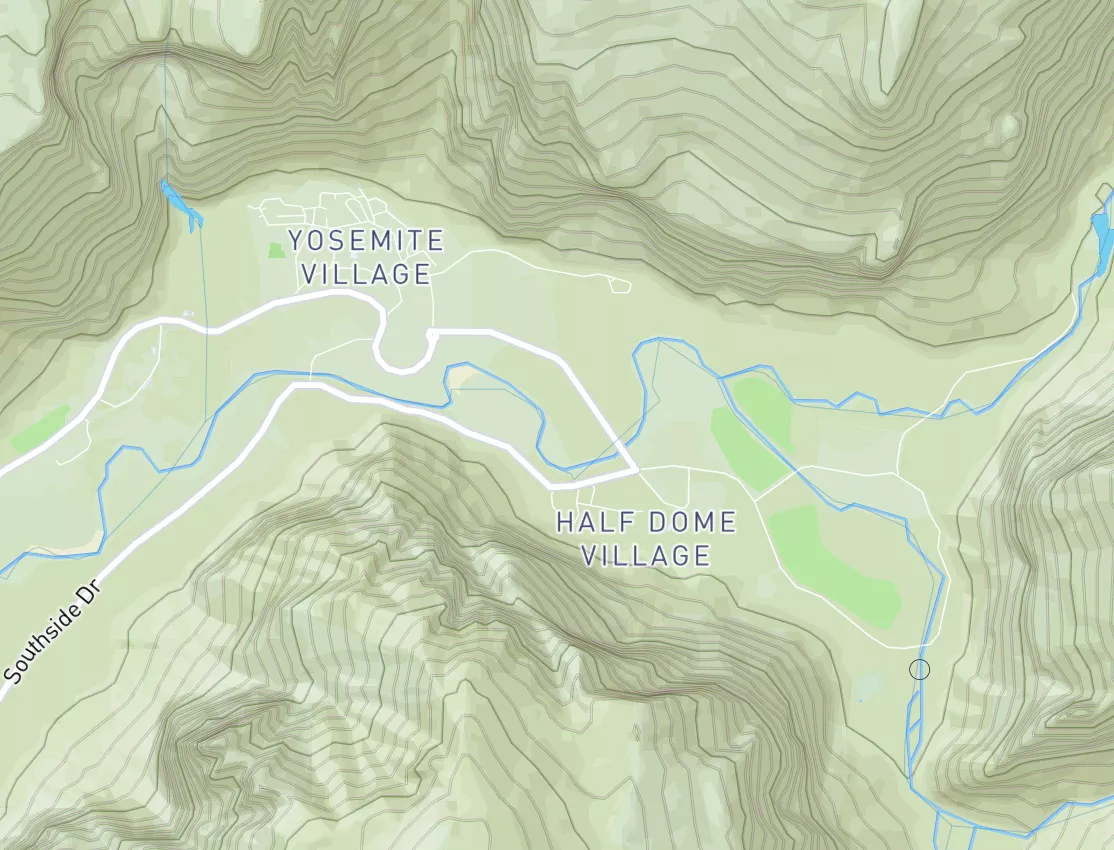

Little People's Park
Last Updated: April 28, 2026
Leave a RatingNearby: Pearson Park Colony Square
°F
°F
mph
Wind
%
Humidity
Little People's Park is a small park located in the city of San Francisco, California.
Summary
The park is known for its unique design, which includes a large playground area for children and a miniature village for visitors to explore. One of the reasons to visit this park is its historical significance. Little People's Park was established in the 1970s by community members who wanted to create a safe space for children to play and families to gather.
The park has several points of interest, including a tree house, a community garden, and a mural depicting the history of the neighborhood. Visitors can also explore the miniature village, which features small replicas of San Francisco landmarks such as the Golden Gate Bridge and Coit Tower.
Interesting facts about the park include its association with the Diggers, a group of activists who sought to create a utopian society in the Haight-Ashbury neighborhood during the 1960s. Little People's Park was created as a response to the lack of safe spaces for children in the area, and it became a symbol of the community's resistance to urban renewal and gentrification.
The best time of year to visit Little People's Park is during the summer months when the weather is warm and sunny. However, the park is open year-round and can be enjoyed in any season. Overall, Little People's Park is a unique and historical destination that offers visitors a glimpse into the rich cultural and social history of San Francisco.
15-Day Long Term Forecast
5-Day Hourly Forecast Detail
Park & Land Designation Reference
Large protected natural areas managed by the federal government to preserve significant landscapes, ecosystems, and cultural resources; recreation is allowed but conservation is the priority.
State Park
Public natural or recreational areas managed by a state government, typically smaller than national parks and focused on regional natural features, recreation, and education.
Local Park
Community-level parks managed by cities or counties, emphasizing recreation, playgrounds, sports, and green space close to populated areas.
Wilderness Area
The highest level of land protection in the U.S.; designated areas where nature is left essentially untouched, with no roads, structures, or motorized access permitted.
National Recreation Area
Areas set aside primarily for outdoor recreation (boating, hiking, fishing), often around reservoirs, rivers, or scenic landscapes; may allow more development.
National Conservation Area (BLM)
BLM-managed areas with special ecological, cultural, or scientific value; more protection than typical BLM land but less strict than Wilderness Areas.
State Forest
State-managed forests focused on habitat, watershed, recreation, and sustainable timber harvest.
National Forest
Federally managed lands focused on multiple use—recreation, wildlife habitat, watershed protection, and resource extraction (like timber)—unlike the stricter protections of national parks.
Wilderness
A protected area set aside to conserve specific resources—such as wildlife, habitats, or scientific features—with regulations varying widely depending on the managing agency and purpose.
Bureau of Land Management (BLM) Land
Vast federal lands managed for mixed use—recreation, grazing, mining, conservation—with fewer restrictions than national parks or forests.
Related References
Area Campgrounds
| Location | Reservations | Toilets |
|---|---|---|
 Chino Hills - State Park
|
||
 Los Alamitos Army Military
|
||
 Seabreeze at Seal Beach Military
|
||
 Bolsa Chica State Beach
|
 Pearson Park
 Colony Square
 George Washington Park
 Citrus Park
 Ross Park
 Santa Ana River Lakes
 Laguna Lake
 Tri-City Park lake
 Cerritos Park Lake
 Irvine Lake (Santiago Res)
 Continue with Snoflo Premium