
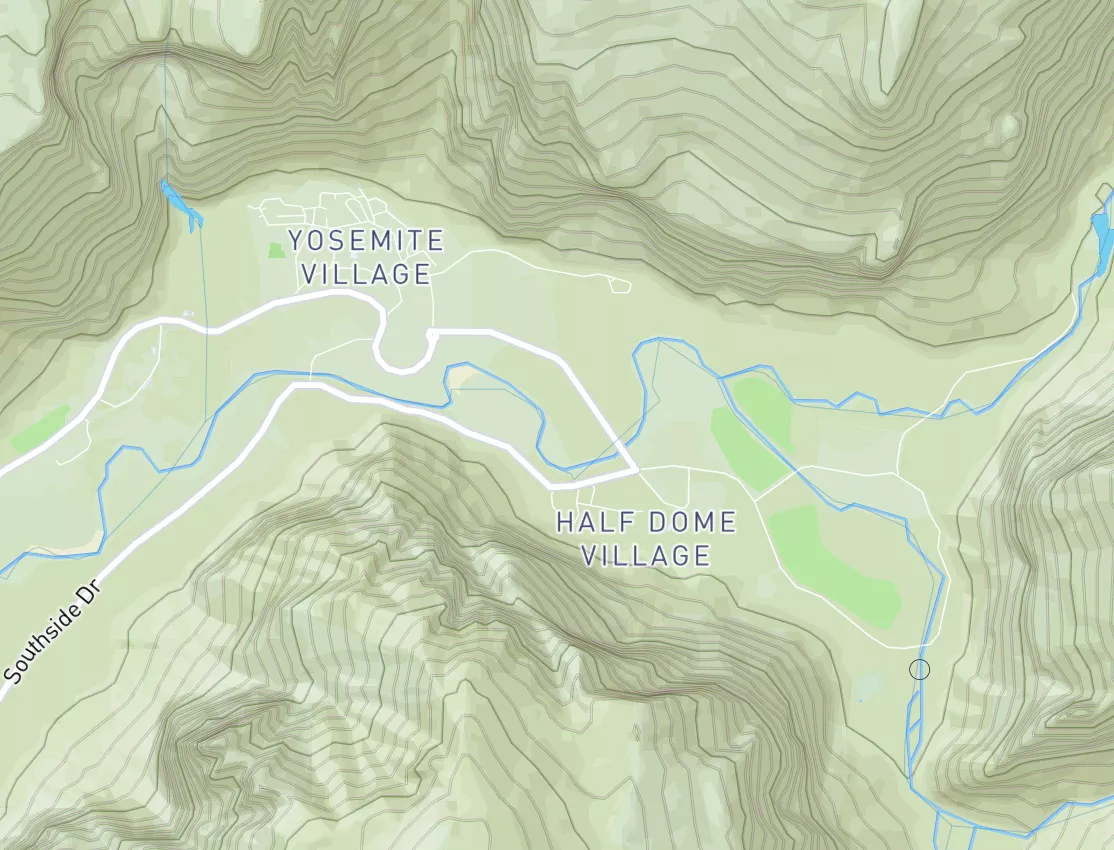

Thomas Creek Park
Last Updated: May 3, 2026
Leave a RatingNearby: Arrow Creek Park Saddlehorn Park
°F
°F
mph
Wind
%
Humidity
Thomas Creek Park is a stunning natural attraction located in the state of Nevada, known for its captivating beauty and abundant recreational opportunities.
Summary
Situated in the eastern Sierra Nevada Mountains, this park offers visitors a chance to immerse themselves in the tranquility of nature while enjoying various outdoor activities.
One compelling reason to visit Thomas Creek Park is its breathtaking scenic vistas. The park boasts mesmerizing alpine landscapes, with towering mountains, lush meadows, and vibrant wildflowers. The sprawling forests, consisting mainly of pine and fir trees, create a picturesque backdrop for hikers, nature enthusiasts, and photographers.
The park's main point of interest is undoubtedly Thomas Creek itself. The creek originates from the towering Mt. Rose and carves its way through the park, creating an ecosystem teeming with wildlife and vegetation. Visitors can enjoy a leisurely stroll along the creek or even try their hand at fishing, as the creek is well-stocked with trout.
In addition to the natural wonders, Thomas Creek Park offers an extensive network of trails that cater to hikers of all skill levels. These trails meander through the park's diverse terrain, ranging from easy, family-friendly paths to challenging routes for experienced adventurers. The popular Jones-Whites Creek Loop Trail, which winds its way through the park, offers stunning vistas and a chance to explore the area's rich biodiversity.
An interesting fact about Thomas Creek Park is that it is part of the larger Toiyabe National Forest, covering over two million acres of land in Nevada and California. This vast forest is home to a wide array of wildlife, including black bears, mule deer, golden eagles, and various songbirds. Visitors might even catch a glimpse of these fascinating creatures during their visit.
The best time of year to visit Thomas Creek Park largely depends on visitors' preferences. Spring and summer months, from April to September, offer pleasant weather for outdoor activities, with temperatures ranging from the 60s to the 80s Fahrenheit (15 to 30 degrees Celsius). During this time, wildflowers bloom, and the creek flows steadily. Autumn, from September to November, brings beautiful fall foliage, creating a colorful and picturesque backdrop. Winter months, from December to March, offer opportunities for snowshoeing and cross-country skiing, as the park transforms into a winter wonderland.
To ensure the accuracy of the information provided, it is recommended to verify these details through multiple independent sources, such as official park websites, local tourism boards, and reputable travel guides.
15-Day Long Term Forecast
5-Day Hourly Forecast Detail
Park & Land Designation Reference
Large protected natural areas managed by the federal government to preserve significant landscapes, ecosystems, and cultural resources; recreation is allowed but conservation is the priority.
State Park
Public natural or recreational areas managed by a state government, typically smaller than national parks and focused on regional natural features, recreation, and education.
Local Park
Community-level parks managed by cities or counties, emphasizing recreation, playgrounds, sports, and green space close to populated areas.
Wilderness Area
The highest level of land protection in the U.S.; designated areas where nature is left essentially untouched, with no roads, structures, or motorized access permitted.
National Recreation Area
Areas set aside primarily for outdoor recreation (boating, hiking, fishing), often around reservoirs, rivers, or scenic landscapes; may allow more development.
National Conservation Area (BLM)
BLM-managed areas with special ecological, cultural, or scientific value; more protection than typical BLM land but less strict than Wilderness Areas.
State Forest
State-managed forests focused on habitat, watershed, recreation, and sustainable timber harvest.
National Forest
Federally managed lands focused on multiple use—recreation, wildlife habitat, watershed protection, and resource extraction (like timber)—unlike the stricter protections of national parks.
Wilderness
A protected area set aside to conserve specific resources—such as wildlife, habitats, or scientific features—with regulations varying widely depending on the managing agency and purpose.
Bureau of Land Management (BLM) Land
Vast federal lands managed for mixed use—recreation, grazing, mining, conservation—with fewer restrictions than national parks or forests.
Related References
Area Campgrounds
| Location | Reservations | Toilets |
|---|---|---|
 Davis Creek
|
||
 Mount Rose
|
||
 Mt. Rose Campground
|
||
 Washoe Lake State Rec Area
|
||
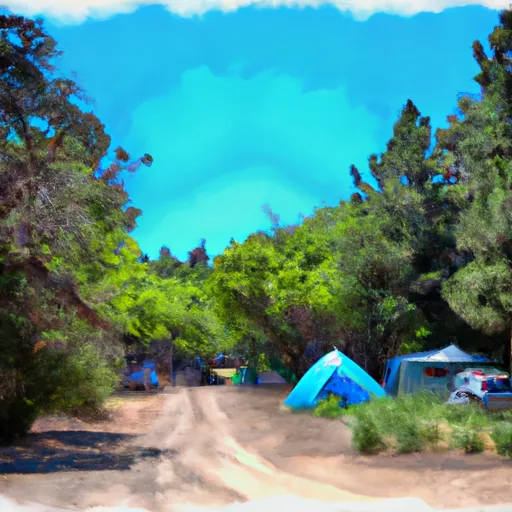 Boca Springs Campground
|
||
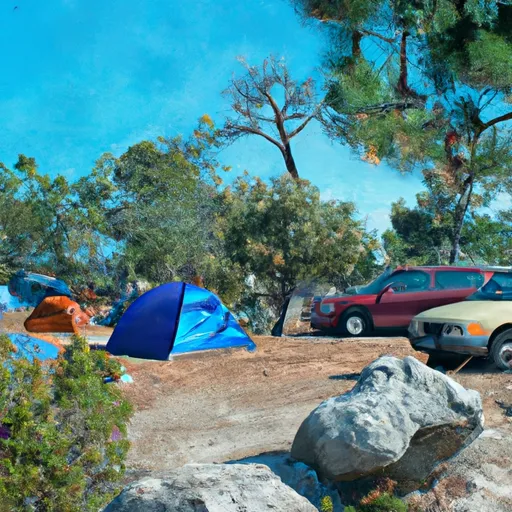 Boca Springs
|
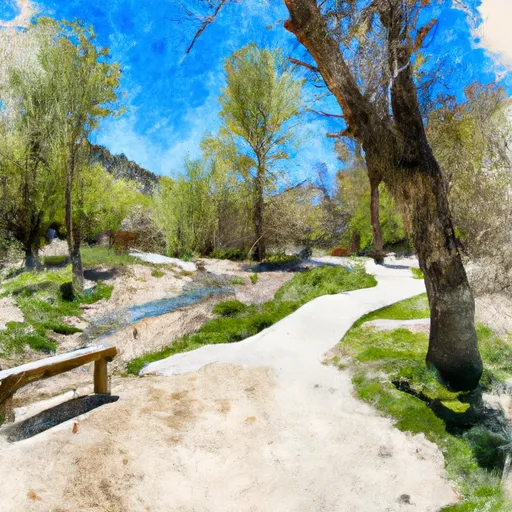 Arrow Creek Park
 Saddlehorn Park
 South Hills Neighborhood Park
 Whites Creek Park
 South Valley Sports Complex
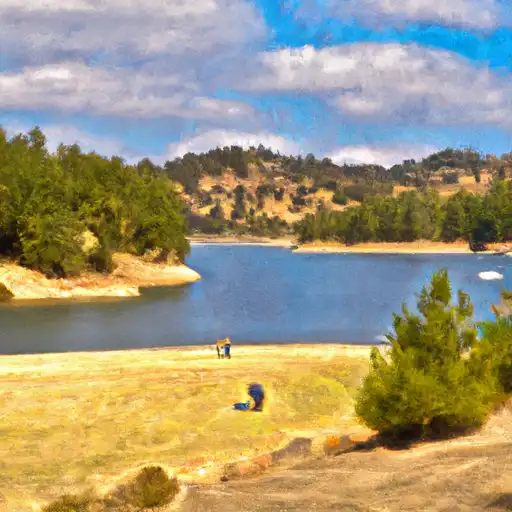 Stampede Reservoir
 Lake Tahoe
 China Cove
 Donner Lake
 Cascade Lake
 Continue with Snoflo Premium