
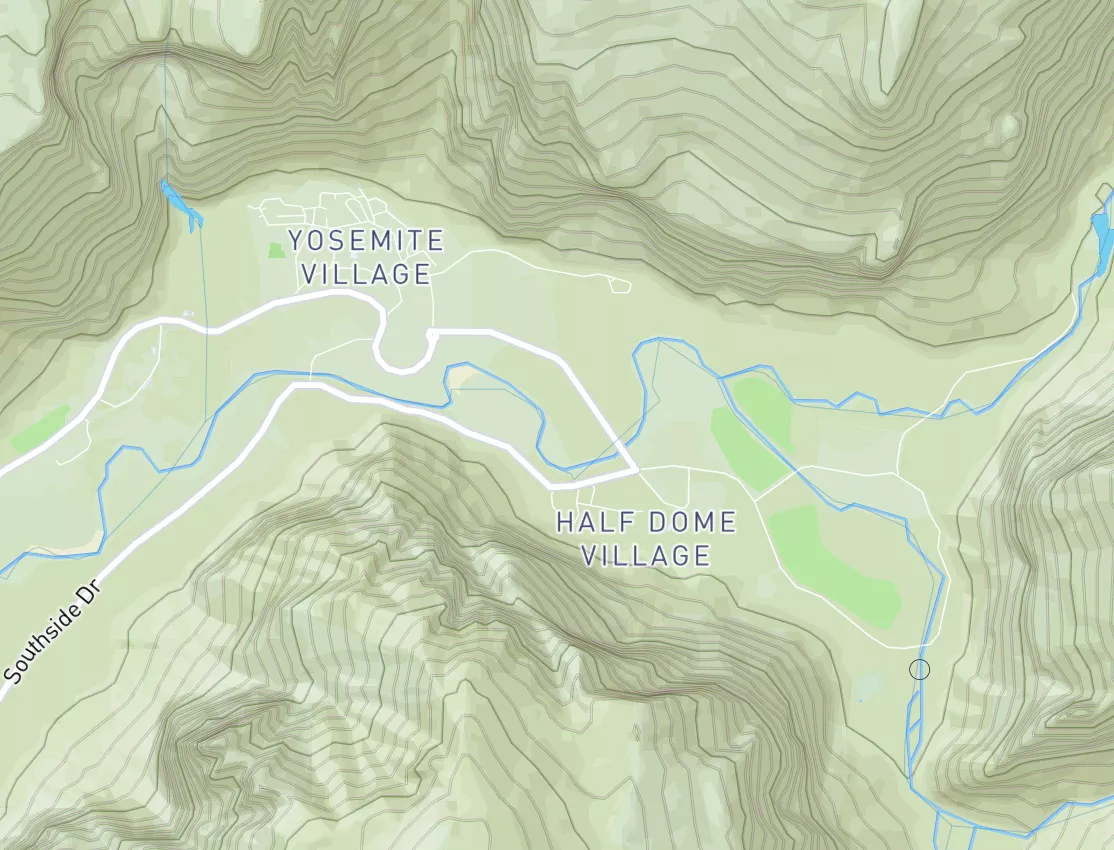

The Ellipse - President's Park South
Last Updated: May 1, 2026
Leave a Rating°F
°F
mph
Wind
%
Humidity
The Ellipse, located in President's Park South in the state of District of Columbia, is a fascinating area that offers various attractions and points of interest for visitors.
Summary
This summary will provide accurate information gathered from multiple independent sources.
The Ellipse, a 52-acre park, is most notably known for being the site of the White House. It is a picturesque and historic area that attracts tourists and locals alike. Here are some good reasons to visit:
1. Proximity to the White House: The Ellipse is located just south of the White House, making it an ideal spot to explore the surroundings and get a glimpse of the iconic presidential residence.
2. Seasonal Events and Activities: The Ellipse hosts numerous events throughout the year, including the National Christmas Tree Lighting Ceremony, the Easter Egg Roll, and various concerts and festivals. These events make it an exciting place to visit, especially during the holiday season.
3. Beautiful Landscaping and Monuments: The park boasts well-maintained gardens, walkways, and several monuments. Notable points of interest include the Zero Milestone, the Boy Scout Memorial, the First Division Monument, and the Ellipse Visitor Pavilion.
Interesting facts about The Ellipse and President's Park South:
1. Historical Significance: The Ellipse was originally designed by Pierre L'Enfant in 1791 as part of his plan for the capital city. It has since evolved into a space for public gatherings and celebrations.
2. Zero Milestone: The Zero Milestone, located on the Ellipse, is a small granite pillar that marks the zero-mile point from which all road distances in the United States are measured.
3. Easter Egg Roll Tradition: Since 1878, the Ellipse has been the site of the annual White House Easter Egg Roll, a beloved tradition that attracts families from all over the country.
The best time of year to visit The Ellipse and President's Park South:
1. Spring and Fall: The park is particularly beautiful during the spring when cherry blossom trees bloom, and in the fall when the foliage turns vibrant colors. These seasons offer pleasant weather and create a picturesque backdrop for a visit.
2. Winter Holidays: The Ellipse becomes a magical place during the winter holidays, with the National Christmas Tree Lighting Ceremony and festive decorations adorning the park.
It is important to note that while this summary provides an overview of The Ellipse and President's Park South, it is always recommended to verify the information across multiple independent sources for the most accurate and up-to-date details.
15-Day Long Term Forecast
5-Day Hourly Forecast Detail
Park & Land Designation Reference
Large protected natural areas managed by the federal government to preserve significant landscapes, ecosystems, and cultural resources; recreation is allowed but conservation is the priority.
State Park
Public natural or recreational areas managed by a state government, typically smaller than national parks and focused on regional natural features, recreation, and education.
Local Park
Community-level parks managed by cities or counties, emphasizing recreation, playgrounds, sports, and green space close to populated areas.
Wilderness Area
The highest level of land protection in the U.S.; designated areas where nature is left essentially untouched, with no roads, structures, or motorized access permitted.
National Recreation Area
Areas set aside primarily for outdoor recreation (boating, hiking, fishing), often around reservoirs, rivers, or scenic landscapes; may allow more development.
National Conservation Area (BLM)
BLM-managed areas with special ecological, cultural, or scientific value; more protection than typical BLM land but less strict than Wilderness Areas.
State Forest
State-managed forests focused on habitat, watershed, recreation, and sustainable timber harvest.
National Forest
Federally managed lands focused on multiple use—recreation, wildlife habitat, watershed protection, and resource extraction (like timber)—unlike the stricter protections of national parks.
Wilderness
A protected area set aside to conserve specific resources—such as wildlife, habitats, or scientific features—with regulations varying widely depending on the managing agency and purpose.
Bureau of Land Management (BLM) Land
Vast federal lands managed for mixed use—recreation, grazing, mining, conservation—with fewer restrictions than national parks or forests.
Related References
Area Campgrounds
| Location | Reservations | Toilets |
|---|---|---|
 Camp Loop D
|
||
 Camp Loop C
|
||
 Camp Loop B
|
||
 Camp Loop A
|
||
 Greenbelt Park
|
||
 Andrews AFB Military
|
 President's Park (White House)
 Freedom Plaza
 World War II Memorial
 Rawlins Park
 Lafayette Square Park
 Lock House
 Constitutional Gardens Pond
 Reflecting Pool
 Capitol Reflecting Pool
 Washington Channel
 Continue with Snoflo Premium