Community Reviews
Been here? Share the conditions.
Reviews, ratings & photos are added in the free Snoflo iOS app — rate a spot, tag the conditions, and your visit is verified by location. Add or manage your reviews from the app.
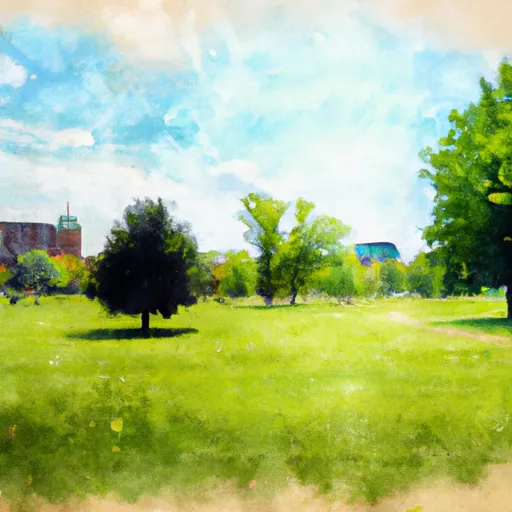
Altgeld Park
Some of the specific points of interest to see in Altgeld Park include its playgrounds, walking trails, sports fields, and picnic areas. The park also features a large pond where visitors can fish or simply enjoy the water views. Another notable attraction in the park is the Altgeld Monument, which honors former Illinois Governor John Peter Altgeld and his contributions to the state.
Interesting facts about Altgeld Park include its former use as a landfill before being converted into a public park in the 1970s. The park is also home to a variety of wildlife, including ducks, geese, and other birds.
The best time of year to visit Altgeld Park depends on personal preference and the desired activities. Spring and summer are ideal for outdoor activities such as hiking, picnicking, and fishing, while fall offers beautiful foliage and mild temperatures for outdoor exploration. Winter is also a great time to visit for those who enjoy ice skating or sledding.
Overall, Altgeld Park is a great destination for those seeking outdoor adventure and relaxation in the state of Illinois.
Plan your visit down to the hour
Same weather feed Snoflo's iOS app uses -- updated continuously from NOAA / yr.no.
Next 5 days, hour by hour
Temperature line with weather symbols on top, snow + rain accumulation as columns, humidity as a dotted line.
5-day forecast table
Every 3 hours, broken out across temperature, snow, rain, humidity, and wind.
| Time | Condition | Temp (°F) | Snow (in) | Rain (in) | Humidity (%) | Wind (mps) | Wind dir |
|---|---|---|---|---|---|---|---|
| Loading detailed forecast… | |||||||
15-day temperature & precipitation
Daily temperatures, snow, and rain projected over the next two weeks.
Responsible recreation & Leave No Trace
- Know before you go
- Check the operator's site for hours, permit requirements, seasonal closures, and fire restrictions before heading out.
- Stay on trail
- Stick to marked paths to protect vegetation, prevent erosion, and avoid disturbing wildlife habitat.
- Respect wildlife
- Observe from a distance, never feed wildlife, and store food securely if camping is permitted on-site.
- Pack it in, pack it out
- Carry out all trash, food scraps, and gear. Many parks have limited or no trash service.
- Leave what you find
- Don't take rocks, plants, or artifacts. They make the park what it is for the next visitor.
Area streamflow levels
USGS streamgauges around Altgeld Park -- live water levels for paddling, fishing, and swimming conditions around the park.
| Streamgauge | Discharge | View |
|---|---|---|
| Nb Chicago River At Albany Avenue At Chicago | 355 cfs | → |
| Des Plaines River At Riverside | 1,090 cfs | → |
| Addison Creek At Bellwood | 129 cfs | → |
| North Branch Chicago River At Niles | 196 cfs | → |
| Salt Creek At Western Springs | 345 cfs | → |
| Salt Creek At Elmhurst | 262 cfs | → |
Plan a longer trip
The closest fishing spots, campgrounds, boat launches, and points of interest so you can build a full day around the park.
Nearby fishing
Set push alerts in the Snoflo app
Save Altgeld Park as a favorite, set a custom threshold (precipitation, freezing temperatures, fire-restriction days), and the iOS app will push the moment conditions cross.
About Altgeld Park
What can I do at Altgeld Park?
Most Snoflo-tracked parks support hiking, picnicking, and wildlife viewing. Check the operator's site for activity-specific rules (camping, fishing, paddling, hunting).
How fresh is the weather data?
The hourly forecast updates throughout the day from NOAA / yr.no. Streamflow comes live from USGS streamgauges.
When is the best time to visit?
Use the 15-day temperature & precipitation outlook on this page to plan -- pick a window with comfortable temperatures and low precipitation.
How do I get to Altgeld Park?
Tap Directions in the hero above to open driving directions in Google Maps, or Open in map to center the Snoflo interactive map on the park.
Can I get alerts when conditions change?
Yes -- alerts are managed in the Snoflo iOS app. Favorite this park, set a threshold (temperature, precipitation), and you'll get a push the moment it crosses.
Park & land designation reference
A quick legend for the federal and state land categories Snoflo tracks. Each designation comes with different rules around access, recreation, and resource extraction.
- National Park
- Large protected natural areas managed by the federal government to preserve significant landscapes, ecosystems, and cultural resources; recreation is allowed but conservation is the priority.
- State Park
- Public natural or recreational areas managed by a state government, typically smaller than national parks and focused on regional natural features, recreation, and education.
- Local Park
- Community-level parks managed by cities or counties, emphasizing recreation, playgrounds, sports, and green space close to populated areas.
- Wilderness Area
- The highest level of land protection in the U.S.; designated areas where nature is left essentially untouched, with no roads, structures, or motorized motorized access permitted.
- National Recreation Area
- Areas set aside primarily for outdoor recreation (boating, hiking, fishing, often around reservoirs, rivers, or scenic landscapes); may allow more development.
- National Conservation Area (BLM)
- BLM-managed areas with special ecological, cultural, or scientific value; more protection than typical BLM land but less strict than Wilderness Areas.
- State Forest
- State-managed forests focused on habitat, watershed, recreation, and sustainable timber harvest.
- Bureau of Land Management (BLM) Land
- Vast federal lands managed for mixed use -- recreation, grazing, mining, conservation -- with fewer restrictions than national parks or forests.
Create a free account, or sign in.
Get the free Altgeld Park report — alerts, favorites, and history & forecasts, plus the free iPhone app.