

Sweden Creek Falls Natural Area Wildlife Management Area
Last Updated: April 22, 2026
Leave a Rating°F
°F
mph
Wind
%
Humidity
Sweden Creek Falls Natural Area Wildlife Management Area is located in the state of Arkansas and offers visitors a variety of reasons to explore its natural splendor.
Summary
This protected area spans approximately 1,200 acres, providing a haven for wildlife and a beautiful landscape for visitors to enjoy.
One of the main reasons to visit Sweden Creek Falls is its stunning natural beauty. The highlight of the area is the picturesque Sweden Creek Falls, a 81-foot waterfall cascading down moss-covered rocks. This breathtaking sight is a must-see for nature enthusiasts and photographers alike.
Aside from the waterfall, the area boasts diverse ecosystems, including pristine forests, clear streams, and rocky bluffs. These habitats support a wide array of plant and animal species, making it an excellent place for wildlife observation and birdwatching. Visitors may encounter white-tailed deer, wild turkeys, black bears, and numerous bird species, including the endangered Indiana bat.
Sweden Creek Falls Natural Area also offers recreational opportunities such as hiking, backpacking, and camping. The area features well-maintained trails that wind through the forests, along the creek, and up to the waterfall. These trails provide excellent opportunities for hiking enthusiasts to explore the area's natural wonders.
Additionally, the natural area boasts interesting facts that make it even more compelling to visitors. For instance, Sweden Creek Falls is considered one of the tallest waterfalls in the state of Arkansas. Its lush surroundings and diverse flora and fauna provide an immersive experience in the region's natural heritage.
The best time of year to visit Sweden Creek Falls Natural Area is during spring and fall. In spring, the area comes alive with vibrant wildflowers and blooming trees, creating a picturesque landscape. Fall offers a stunning display of autumn colors as the leaves change, providing a vivid backdrop for outdoor activities.
To ensure accuracy, it is recommended to verify information about Sweden Creek Falls Natural Area Wildlife Management Area across multiple independent sources, such as official government websites, guidebooks, and reputable travel websites.
15-Day Long Term Forecast
5-Day Hourly Forecast Detail
Park & Land Designation Reference
Large protected natural areas managed by the federal government to preserve significant landscapes, ecosystems, and cultural resources; recreation is allowed but conservation is the priority.
State Park
Public natural or recreational areas managed by a state government, typically smaller than national parks and focused on regional natural features, recreation, and education.
Local Park
Community-level parks managed by cities or counties, emphasizing recreation, playgrounds, sports, and green space close to populated areas.
Wilderness Area
The highest level of land protection in the U.S.; designated areas where nature is left essentially untouched, with no roads, structures, or motorized access permitted.
National Recreation Area
Areas set aside primarily for outdoor recreation (boating, hiking, fishing), often around reservoirs, rivers, or scenic landscapes; may allow more development.
National Conservation Area (BLM)
BLM-managed areas with special ecological, cultural, or scientific value; more protection than typical BLM land but less strict than Wilderness Areas.
State Forest
State-managed forests focused on habitat, watershed, recreation, and sustainable timber harvest.
National Forest
Federally managed lands focused on multiple use—recreation, wildlife habitat, watershed protection, and resource extraction (like timber)—unlike the stricter protections of national parks.
Wilderness
A protected area set aside to conserve specific resources—such as wildlife, habitats, or scientific features—with regulations varying widely depending on the managing agency and purpose.
Bureau of Land Management (BLM) Land
Vast federal lands managed for mixed use—recreation, grazing, mining, conservation—with fewer restrictions than national parks or forests.
Related References
Area Campgrounds
| Location | Reservations | Toilets |
|---|---|---|
 Lost Valley - Buffalo National River
|
||
 Castle Bluff Camp
|
||
 Steel Creek Horse Camp
|
||
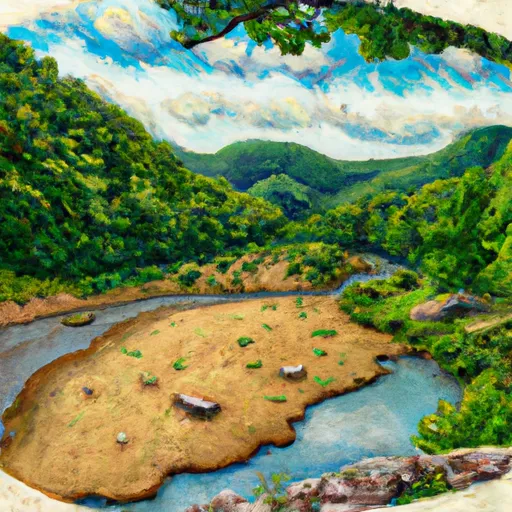 Steel Creek - Buffalo National River
|
||
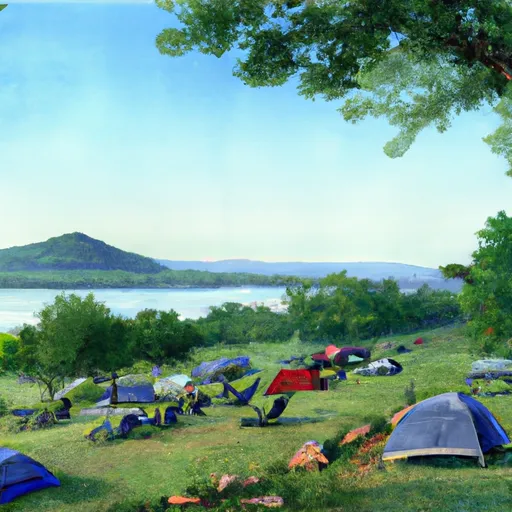 Kyle's Landing
|
||
|
Kyles Landing
|
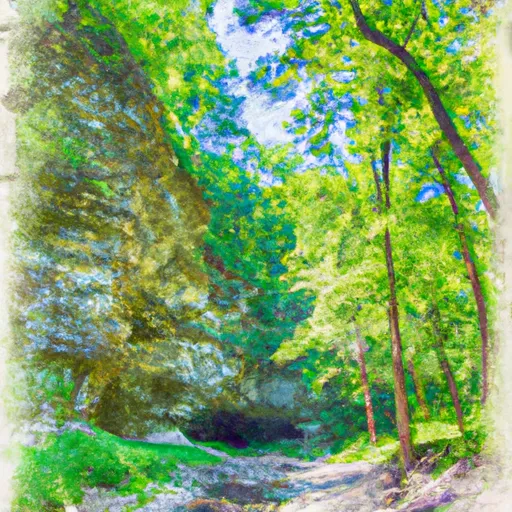 Lost Valley State Park
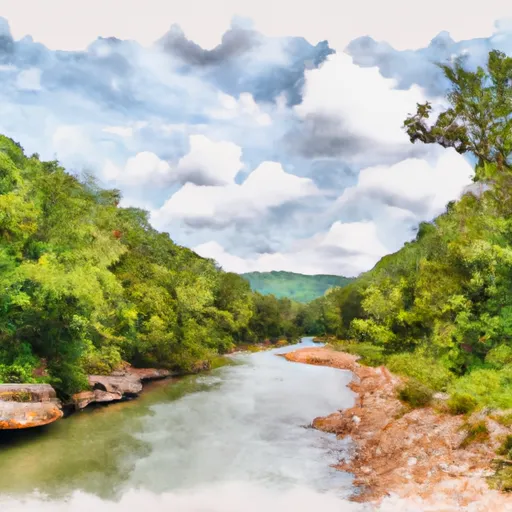 Buffalo National River
 Ponca Wilderness Area
 Upper Buffalo Wilderness Area
 Continue with Snoflo Premium