

Standing Rock Park
Last Updated: April 21, 2026
Leave a RatingNearby: Iverson Park Goerke Memorial Park
°F
°F
mph
Wind
%
Humidity
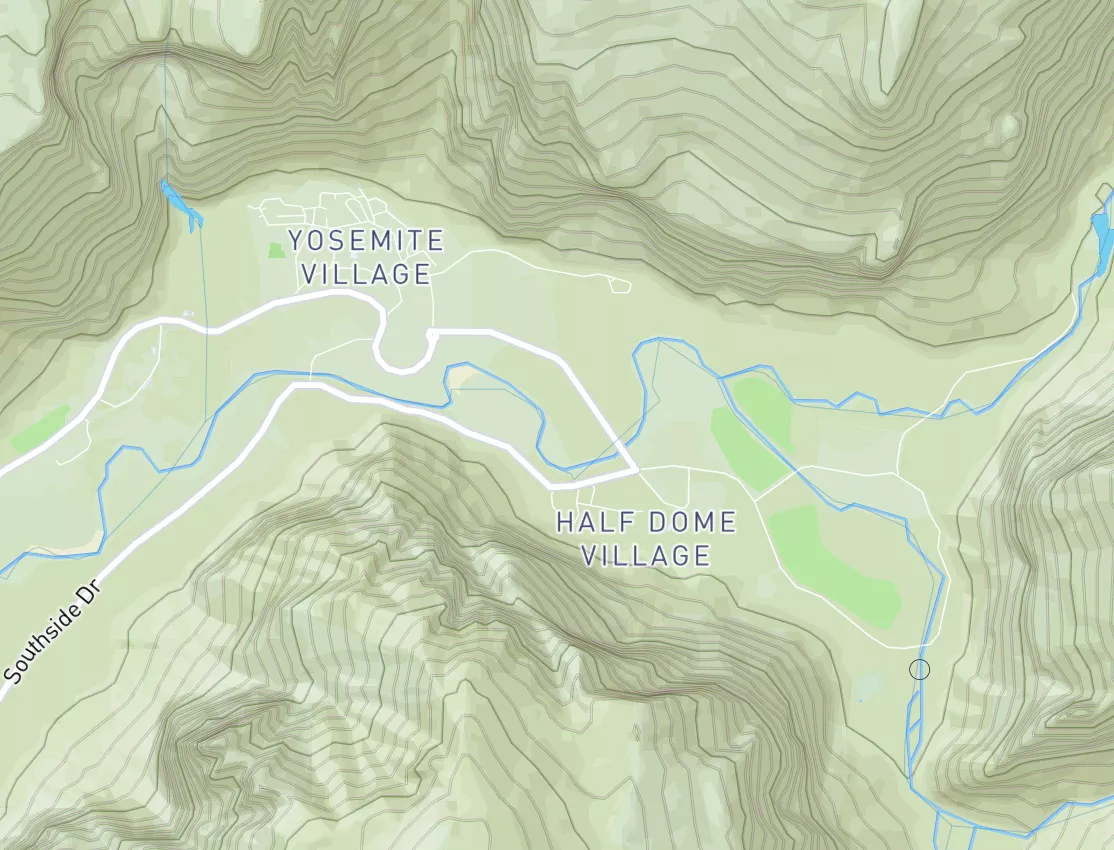
Standing Rock Park is a picturesque nature haven located in the state of Wisconsin.
Summary
Nestled along the banks of the Wisconsin River, this park offers a plethora of enticing reasons to visit. Its stunning landscapes, recreational opportunities, and interesting history make it a must-see destination.
One of the main reasons to visit Standing Rock Park is its breathtaking natural beauty. The park boasts panoramic views of the scenic Wisconsin River, with its pristine waters and tranquil surroundings. Visitors can enjoy stunning sunsets, magnificent hiking trails, and abundant wildlife, making it a paradise for nature enthusiasts and photographers alike.
Standing Rock Park also offers a variety of recreational activities. Fishing enthusiasts can try their luck in the river, known for its diverse fish population, including walleye, catfish, and bass. Boating and kayaking are also popular activities, with boat ramps and rentals available for visitors. Additionally, the park features well-maintained picnic areas, perfect for a family outing or a peaceful lunch surrounded by nature.
One of the most notable points of interest within the park is the eponymous Standing Rock. This rock formation, towering above the river, holds cultural significance to Native American tribes in the area, adding a touch of historical and cultural intrigue to the park.
Interesting facts about Standing Rock Park include its rich Native American heritage. The park's name pays homage to the Native American tribes that once inhabited the region. It is believed that the Standing Rock formation was a site of spiritual significance and ceremonial gatherings. Furthermore, the park has a storied past, serving as a gathering site for early settlers and travelers along the Wisconsin River.
The best time to visit Standing Rock Park is during the summer and fall seasons. Summer offers pleasant weather for outdoor activities, such as hiking, fishing, and boating. The fall season brings vibrant foliage, transforming the park into a colorful wonderland. It is advisable to check the park's opening hours and any seasonal closures before planning a visit, as some facilities may be affected during the colder months.
To ensure accuracy, it is highly recommended to verify the information provided by cross-referencing multiple independent sources, such as official park websites, travel guides, and local tourism websites, as these sources often provide the most up-to-date and reliable information.
15-Day Long Term Forecast
5-Day Hourly Forecast Detail
Park & Land Designation Reference
Large protected natural areas managed by the federal government to preserve significant landscapes, ecosystems, and cultural resources; recreation is allowed but conservation is the priority.
State Park
Public natural or recreational areas managed by a state government, typically smaller than national parks and focused on regional natural features, recreation, and education.
Local Park
Community-level parks managed by cities or counties, emphasizing recreation, playgrounds, sports, and green space close to populated areas.
Wilderness Area
The highest level of land protection in the U.S.; designated areas where nature is left essentially untouched, with no roads, structures, or motorized access permitted.
National Recreation Area
Areas set aside primarily for outdoor recreation (boating, hiking, fishing), often around reservoirs, rivers, or scenic landscapes; may allow more development.
National Conservation Area (BLM)
BLM-managed areas with special ecological, cultural, or scientific value; more protection than typical BLM land but less strict than Wilderness Areas.
State Forest
State-managed forests focused on habitat, watershed, recreation, and sustainable timber harvest.
National Forest
Federally managed lands focused on multiple use—recreation, wildlife habitat, watershed protection, and resource extraction (like timber)—unlike the stricter protections of national parks.
Wilderness
A protected area set aside to conserve specific resources—such as wildlife, habitats, or scientific features—with regulations varying widely depending on the managing agency and purpose.
Bureau of Land Management (BLM) Land
Vast federal lands managed for mixed use—recreation, grazing, mining, conservation—with fewer restrictions than national parks or forests.
Related References
 Lake Emily South Campground
 Lake Emily Park North Campground
 Vista Royalle Campground
 Boy Scouts of America: Camp Fletcher
 Jordan County Park Canoe Walk-In Campsites
 Jordan Park Campground
 Iverson Park
 Goerke Memorial Park
 Slomann Park
 Hartman Creek State Park
 Bukolt Park
 Continue with Snoflo Premium