
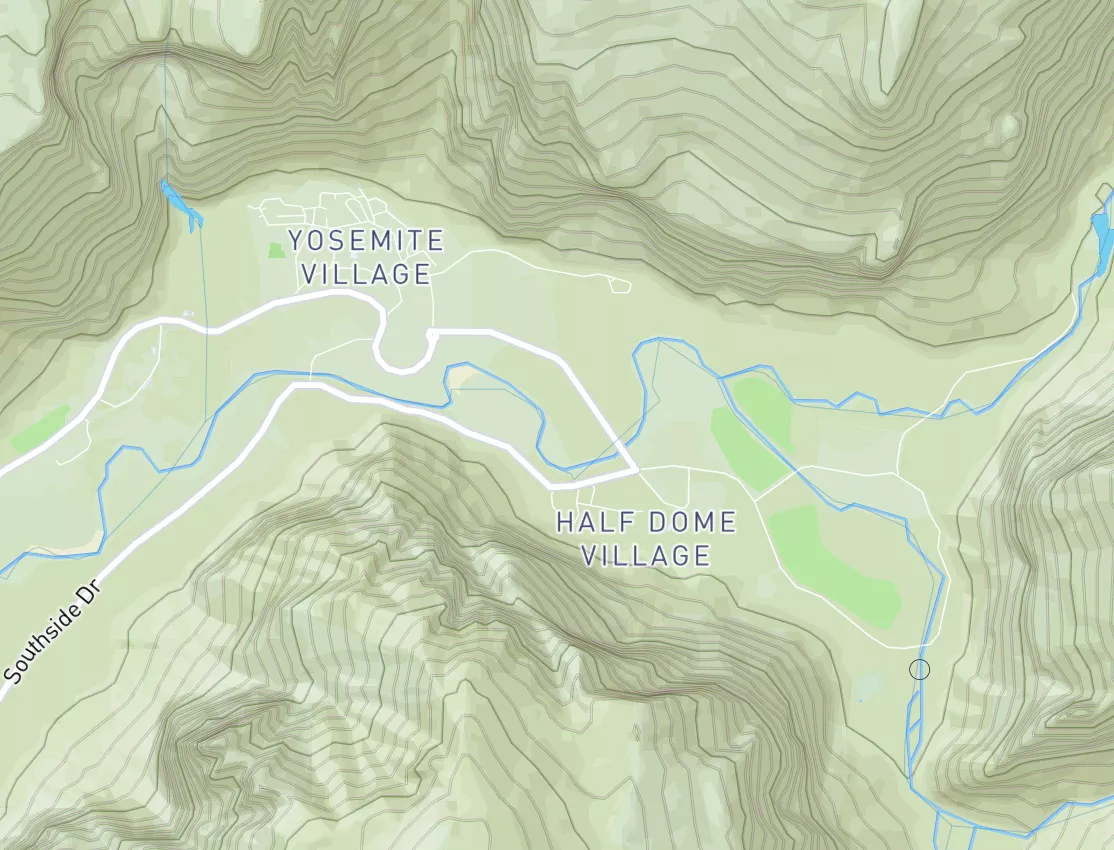

Upper Ouachita National Wildlife Refuge
Last Updated: May 3, 2026
Leave a Rating°F
°F
mph
Wind
%
Humidity
The Upper Ouachita National Wildlife Refuge (UONWR) is a beautiful natural area located in the state of Louisiana, United States.
Summary
Spanning over 50,000 acres, it offers a variety of attractions and activities that make it a must-visit destination for nature enthusiasts and wildlife lovers.
One of the primary reasons to visit the UONWR is the diverse array of wildlife species that call this refuge home. It provides a vital habitat for migratory birds, including waterfowl, wading birds, and songbirds. Birdwatchers will be thrilled to spot species such as great blue herons, bald eagles, wood ducks, and many more. Other wildlife commonly found here includes white-tailed deer, river otters, beavers, and alligators.
The refuge offers several points of interest that are worth exploring. One of the main attractions is the Chemin-A-Haut Creek, known for its serene beauty and excellent fishing opportunities. Visitors can also enjoy boating, canoeing, and kayaking in the refuge's numerous waterways, including the Ouachita River and Bayou D'Arbonne. Hiking trails are available for those who prefer to explore the area on foot, providing an opportunity to immerse oneself in the lush wilderness.
Interesting facts about the Upper Ouachita National Wildlife Refuge include its establishment in 1979, primarily to protect and provide a habitat for migratory waterfowl. The refuge is also part of the larger Black Bayou Lake National Wildlife Refuge Complex, which encompasses several other nearby wildlife refuges. This complex helps to preserve the unique ecosystem of the Ouachita River basin.
The best time of year to visit the UONWR is generally during the fall and winter months, particularly October through February. During this time, the refuge becomes a hub for thousands of migratory birds, offering fantastic birdwatching opportunities. However, the refuge is open year-round, and each season brings its own beauty and wildlife sightings.
To ensure accuracy, it is always a good idea to verify information from multiple independent sources such as the official website of the UONWR, the U.S. Fish and Wildlife Service, or reputable travel and nature websites.
15-Day Long Term Forecast
5-Day Hourly Forecast Detail
Park & Land Designation Reference
Large protected natural areas managed by the federal government to preserve significant landscapes, ecosystems, and cultural resources; recreation is allowed but conservation is the priority.
State Park
Public natural or recreational areas managed by a state government, typically smaller than national parks and focused on regional natural features, recreation, and education.
Local Park
Community-level parks managed by cities or counties, emphasizing recreation, playgrounds, sports, and green space close to populated areas.
Wilderness Area
The highest level of land protection in the U.S.; designated areas where nature is left essentially untouched, with no roads, structures, or motorized access permitted.
National Recreation Area
Areas set aside primarily for outdoor recreation (boating, hiking, fishing), often around reservoirs, rivers, or scenic landscapes; may allow more development.
National Conservation Area (BLM)
BLM-managed areas with special ecological, cultural, or scientific value; more protection than typical BLM land but less strict than Wilderness Areas.
State Forest
State-managed forests focused on habitat, watershed, recreation, and sustainable timber harvest.
National Forest
Federally managed lands focused on multiple use—recreation, wildlife habitat, watershed protection, and resource extraction (like timber)—unlike the stricter protections of national parks.
Wilderness
A protected area set aside to conserve specific resources—such as wildlife, habitats, or scientific features—with regulations varying widely depending on the managing agency and purpose.
Bureau of Land Management (BLM) Land
Vast federal lands managed for mixed use—recreation, grazing, mining, conservation—with fewer restrictions than national parks or forests.
Related References
Area Campgrounds
| Location | Reservations | Toilets |
|---|---|---|
 Grand Marais County Park
|
||
 Crossett RV Park
|
||
 Chemin - A - Haut State Park
|
 Beryl Anthony-Lower Ouachita Wildlife Management Area
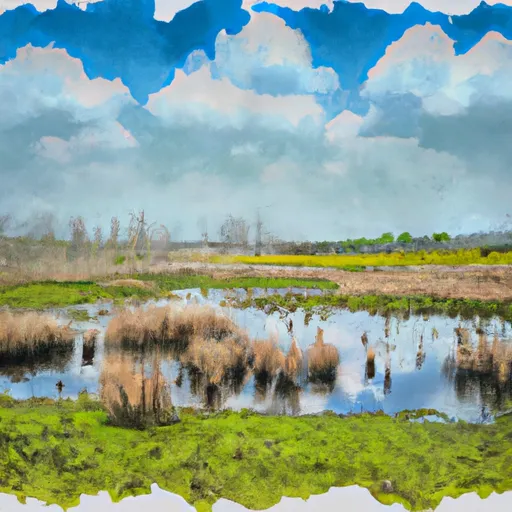 Felsenthal National Wildlife Refuge
 Crossett Experimental Forest Wildlife Management Area
 Union Wildlife Management Area
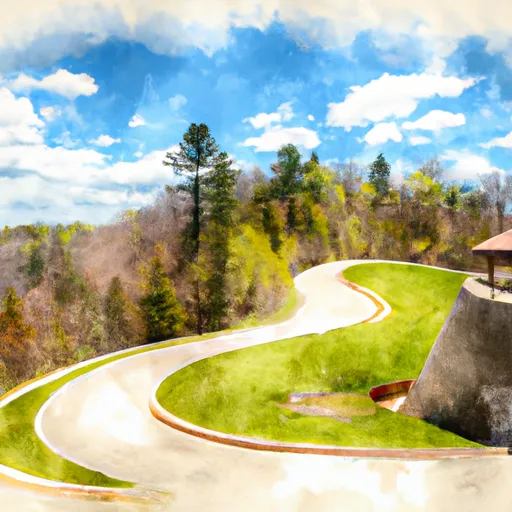 Chemin-A-Haut State Park
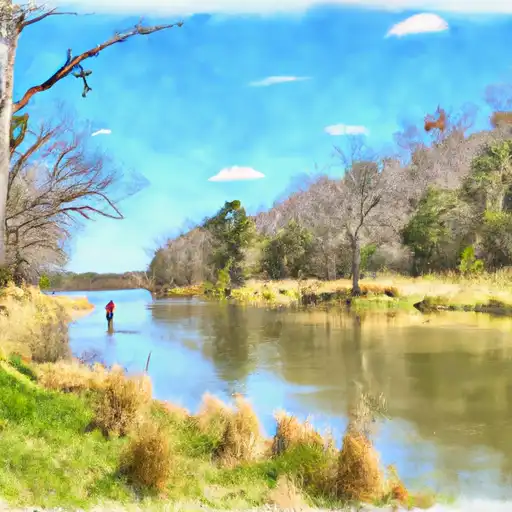 Moro Creek
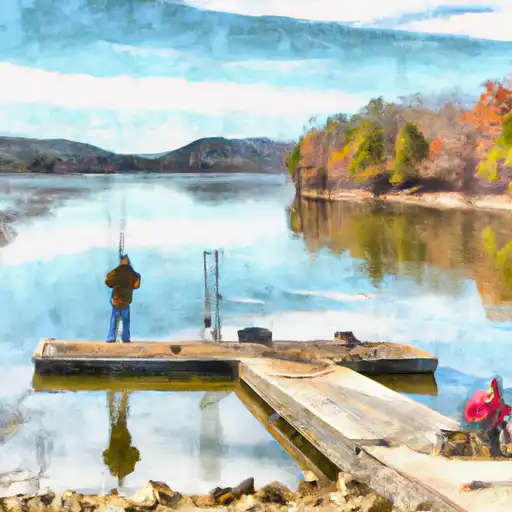 Moro Bay
 Calion Lake
 Little Champagnolle Creek
 Wilson Brake Reservoir
 Continue with Snoflo Premium