
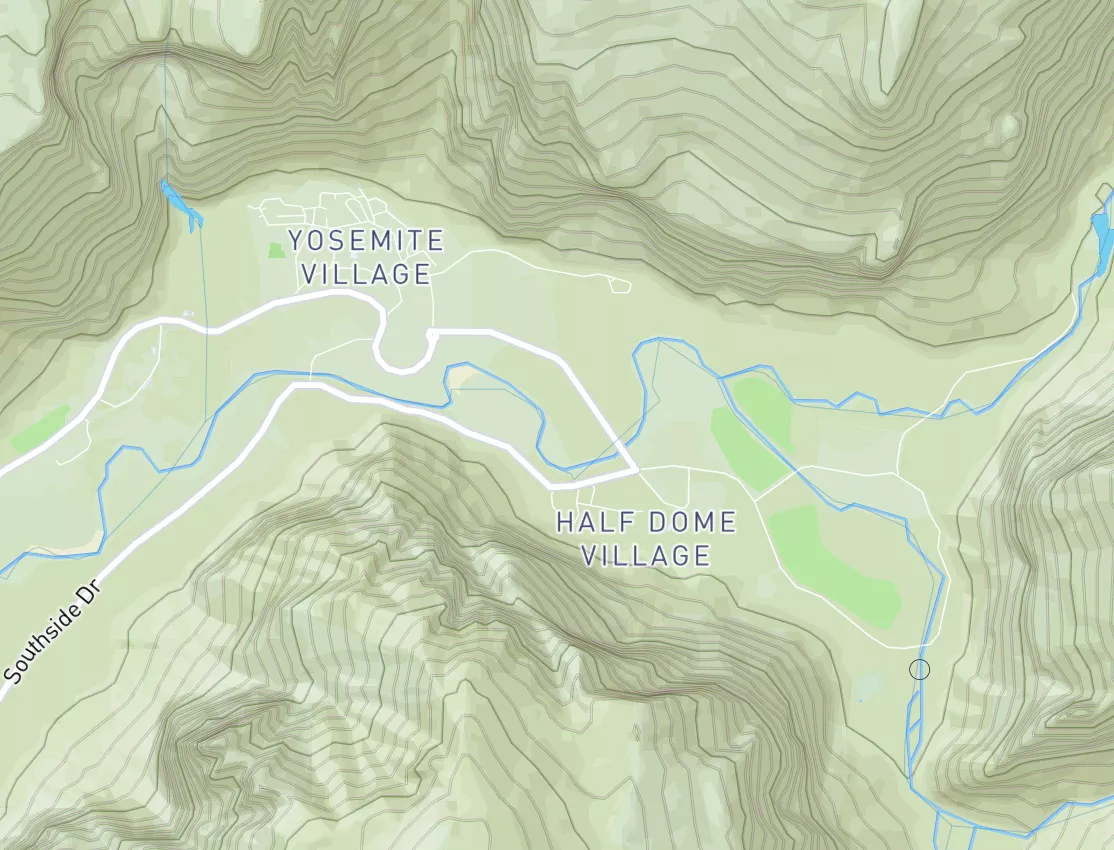

Toxaway Game Land
Last Updated: May 5, 2026
Leave a Rating°F
°F
mph
Wind
%
Humidity
Toxaway Game Land, located in the state of North Carolina, is a beautiful destination that offers a variety of reasons to visit.
Summary
With its diverse wildlife, stunning landscapes, and recreational opportunities, it attracts nature enthusiasts, outdoor adventurers, and photographers alike.
One of the main reasons to visit Toxaway Game Land is its abundant wildlife. The area is home to various species, including deer, turkey, rabbit, and numerous migratory birds. It provides an excellent opportunity for wildlife viewing and birdwatching. Additionally, the game land offers hunting and fishing opportunities, making it an ideal destination for sportsmen and sportswomen.
Toxaway Game Land boasts several points of interest to explore. The 11,000-acre land offers numerous hiking trails, allowing visitors to immerse themselves in the scenic beauty of the Blue Ridge Mountains. The terrain varies from rolling hills to steep mountain slopes, offering breathtaking views along the way. The game land is intersected by several rivers and streams, providing excellent opportunities for fishing and kayaking.
One notable point of interest is Toxaway Falls, a stunning waterfall that cascades into Lake Toxaway. It is a popular spot for photography and offers a peaceful atmosphere for relaxation. The game land also features several well-maintained picnic areas and campgrounds, providing visitors with a chance to enjoy a day out in nature or even extend their stay.
Interesting facts about Toxaway Game Land include its rich history. The land was originally owned by George W. Vanderbilt and served as a hunting retreat. It was later acquired by the state of North Carolina and designated as a game land, preserving its natural beauty for future generations.
The best time of year to visit Toxaway Game Land is during the spring and fall seasons. Spring brings blooming wildflowers and vibrant foliage, while the fall showcases the stunning colors of the changing leaves. The weather during these seasons is generally pleasant, making it ideal for outdoor activities.
It is important to verify the accuracy of this information by consulting multiple independent sources.
15-Day Long Term Forecast
5-Day Hourly Forecast Detail
Park & Land Designation Reference
Large protected natural areas managed by the federal government to preserve significant landscapes, ecosystems, and cultural resources; recreation is allowed but conservation is the priority.
State Park
Public natural or recreational areas managed by a state government, typically smaller than national parks and focused on regional natural features, recreation, and education.
Local Park
Community-level parks managed by cities or counties, emphasizing recreation, playgrounds, sports, and green space close to populated areas.
Wilderness Area
The highest level of land protection in the U.S.; designated areas where nature is left essentially untouched, with no roads, structures, or motorized access permitted.
National Recreation Area
Areas set aside primarily for outdoor recreation (boating, hiking, fishing), often around reservoirs, rivers, or scenic landscapes; may allow more development.
National Conservation Area (BLM)
BLM-managed areas with special ecological, cultural, or scientific value; more protection than typical BLM land but less strict than Wilderness Areas.
State Forest
State-managed forests focused on habitat, watershed, recreation, and sustainable timber harvest.
National Forest
Federally managed lands focused on multiple use—recreation, wildlife habitat, watershed protection, and resource extraction (like timber)—unlike the stricter protections of national parks.
Wilderness
A protected area set aside to conserve specific resources—such as wildlife, habitats, or scientific features—with regulations varying widely depending on the managing agency and purpose.
Bureau of Land Management (BLM) Land
Vast federal lands managed for mixed use—recreation, grazing, mining, conservation—with fewer restrictions than national parks or forests.
Related References
Area Campgrounds
| Location | Reservations | Toilets |
|---|---|---|
 Bearcamp Creek Campsite
|
||
 Buck Fields
|
||
 Bear Creek Campsite
|
||
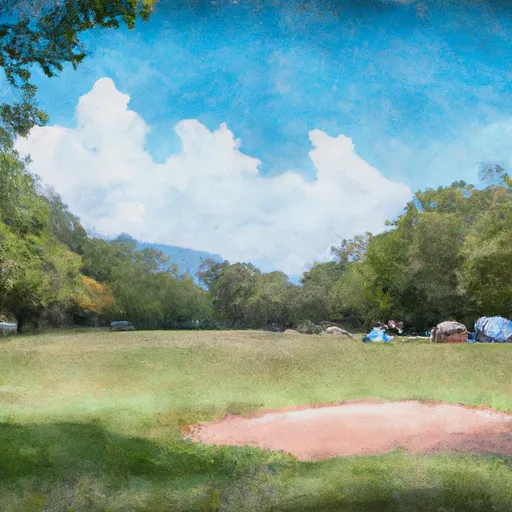 Devils Fork State Park
|
||
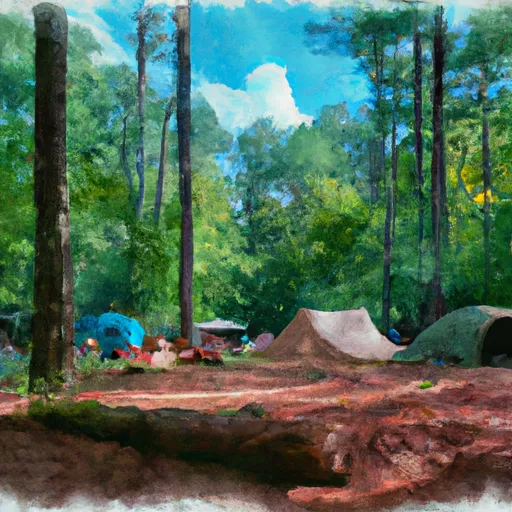 Indian Camp Campsite
|
||
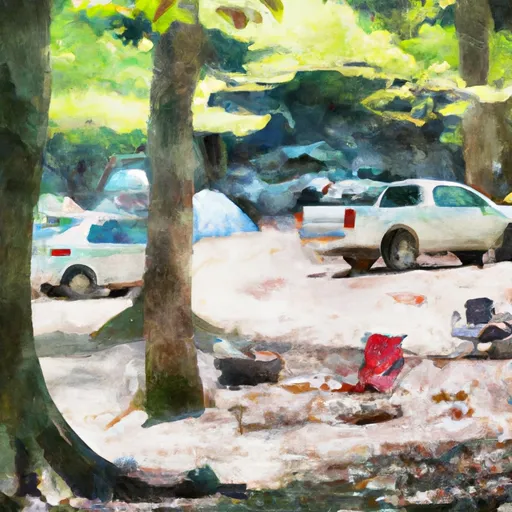 Laurel Fork Campsite
|
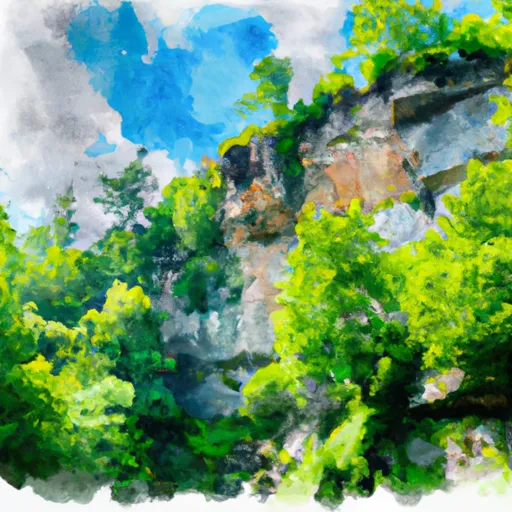 Gorges State Park
 Devils Fork State Park
 Wilderness Ellicott Rock
 Keowee-Toxaway State Park
 Pisgah National Forest
 Presbyterian Lake
 Tallulah Falls Lake
 Yonah Lake
 Lake Rabun
 Lake Burton
 Continue with Snoflo Premium