
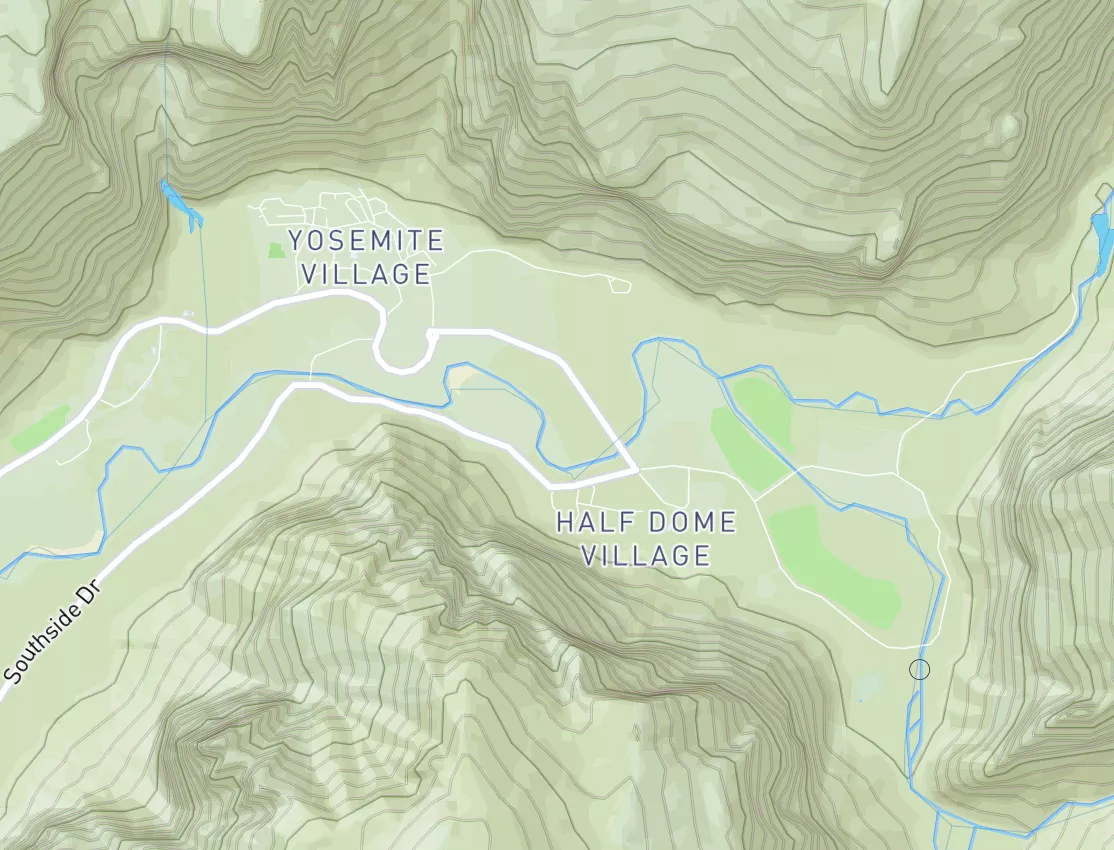
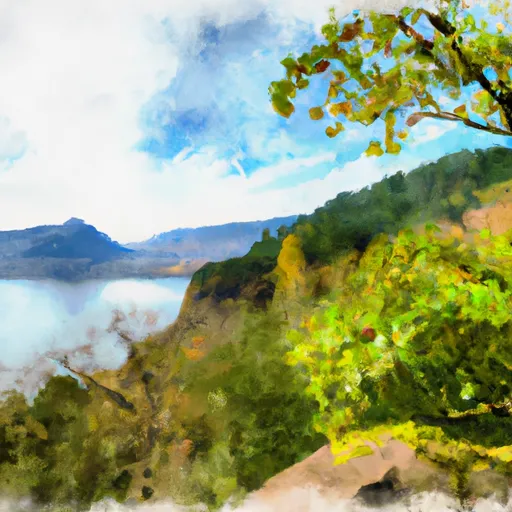
Starvation Creek State Park
Last Updated: May 6, 2026
Leave a Rating°F
°F
mph
Wind
%
Humidity
Starvation Creek State Park is a scenic and popular recreational area located in the state of Oregon.
Summary
It offers a variety of attractions and activities that make it a great destination for visitors.
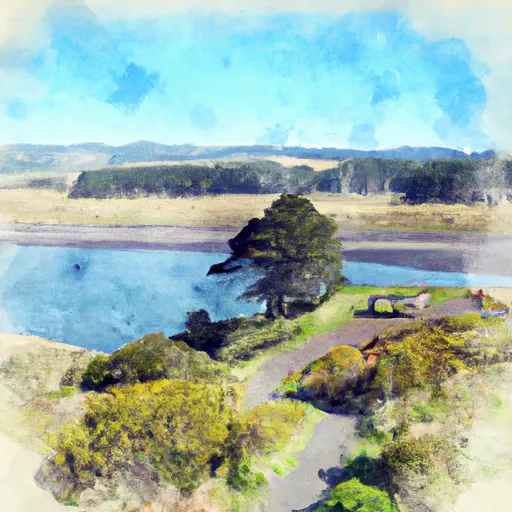
One of the main reasons to visit Starvation Creek State Park is its breathtaking natural beauty. The park is situated in the Columbia River Gorge, surrounded by lush forests, towering cliffs, and cascading waterfalls, providing stunning views and ample opportunities for outdoor exploration.
One of the notable points of interest within the park is the Starvation Creek Falls. This magnificent waterfall can be reached by taking a short hike along a well-maintained trail. The waterfall cascades down a steep cliff into a refreshing pool, offering a picturesque backdrop for photography and a serene setting for relaxation.
Another interesting feature of the park is the Historic Columbia River Highway, which passes through Starvation Creek. This scenic byway offers panoramic views of the Columbia River Gorge and its dramatic landscapes. It is a perfect route for a leisurely drive or a bike ride, allowing visitors to enjoy the beauty of the park from a different perspective.
Additionally, Starvation Creek State Park offers various recreational activities. The park has well-maintained hiking trails that cater to different skill levels, providing opportunities for both casual strolls and more challenging hikes. Picnic areas and camping spots are also available, making it a great place for a family outing or an overnight stay.
As for interesting facts about the area, Starvation Creek got its name from a train crew that was stranded there during a snowstorm in the 1880s. The crew had to survive on minimal supplies and resorted to eating their pack animals, leading to the name "Starvation Creek." While the origin of the name may sound grim, the park itself is far from it and offers plenty of natural beauty and recreational opportunities.
The best time to visit Starvation Creek State Park is during the spring and summer months. This is when the park comes alive with vibrant wildflowers and lush greenery. The weather is typically pleasant and allows for comfortable hiking, picnicking, and camping experiences. It is worth noting that the park can get crowded during weekends and holidays, so visiting on weekdays or arriving early in the day may offer a quieter experience.
To ensure accuracy, it is recommended to verify the information provided above by consulting multiple independent sources, such as the Oregon State Parks website, travel guides, and reputable travel blogs that focus on the Columbia River Gorge region.
15-Day Long Term Forecast
5-Day Hourly Forecast Detail
Park & Land Designation Reference
Large protected natural areas managed by the federal government to preserve significant landscapes, ecosystems, and cultural resources; recreation is allowed but conservation is the priority.
State Park
Public natural or recreational areas managed by a state government, typically smaller than national parks and focused on regional natural features, recreation, and education.
Local Park
Community-level parks managed by cities or counties, emphasizing recreation, playgrounds, sports, and green space close to populated areas.
Wilderness Area
The highest level of land protection in the U.S.; designated areas where nature is left essentially untouched, with no roads, structures, or motorized access permitted.
National Recreation Area
Areas set aside primarily for outdoor recreation (boating, hiking, fishing), often around reservoirs, rivers, or scenic landscapes; may allow more development.
National Conservation Area (BLM)
BLM-managed areas with special ecological, cultural, or scientific value; more protection than typical BLM land but less strict than Wilderness Areas.
State Forest
State-managed forests focused on habitat, watershed, recreation, and sustainable timber harvest.
National Forest
Federally managed lands focused on multiple use—recreation, wildlife habitat, watershed protection, and resource extraction (like timber)—unlike the stricter protections of national parks.
Wilderness
A protected area set aside to conserve specific resources—such as wildlife, habitats, or scientific features—with regulations varying widely depending on the managing agency and purpose.
Bureau of Land Management (BLM) Land
Vast federal lands managed for mixed use—recreation, grazing, mining, conservation—with fewer restrictions than national parks or forests.
Related References
 Viento State Park
 Viento State Park North Campground
 Wyeth - Columbia River Gorge Area
 Wyeth Campground
 Home Valley Campground
 North Lake Campsite
 Lindsey Creek State Scenic Corridor
 Gifford Pinchot National Forest
 Viento State Park
 Wygant State Natural Area
 Wyeth State Recreation Area
 Continue with Snoflo Premium