
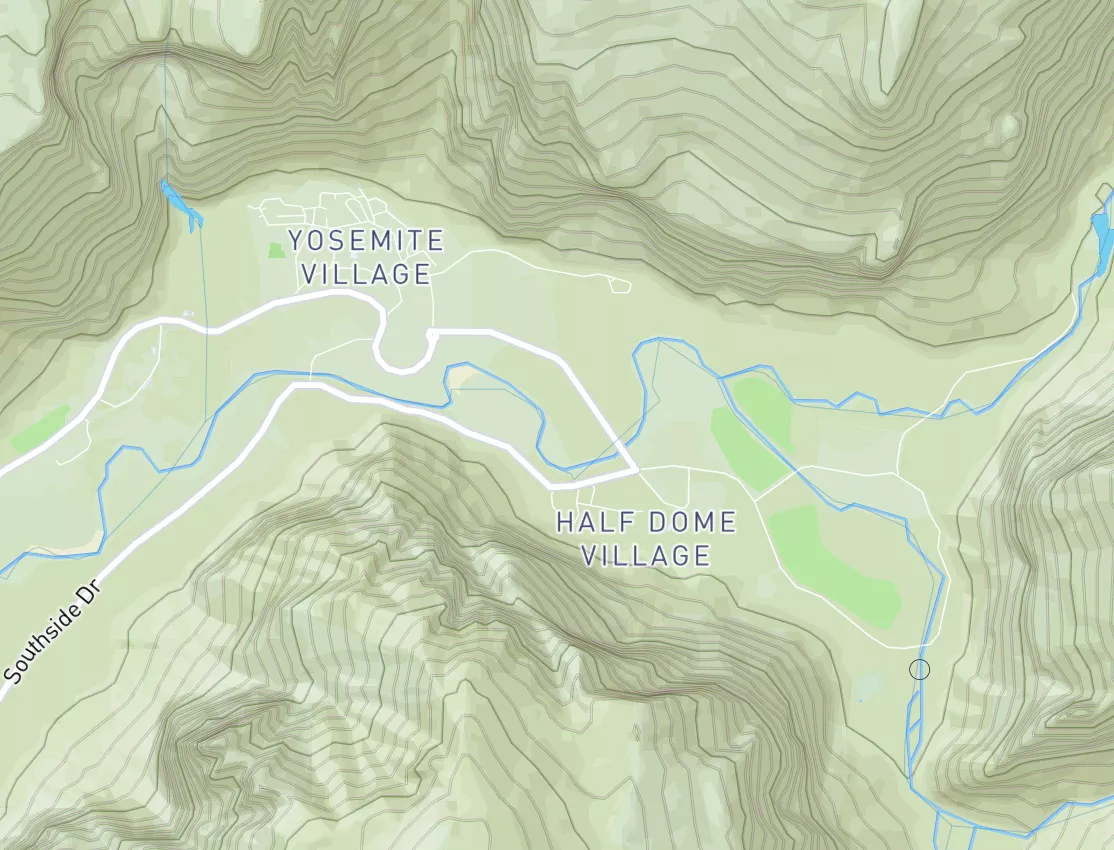

O'Brien Park
Last Updated: May 11, 2026
Leave a RatingNearby: Lily Lake Park Anez Ridge Park
°F
°F
mph
Wind
%
Humidity
O'Brien Park is a beautiful natural oasis located in the state of Wisconsin, USA.
Summary
This park is an ideal destination for nature lovers, hikers, and outdoor enthusiasts looking for a peaceful and serene environment to get away from the hustle and bustle of city life.
Some good reasons to visit O'Brien Park are the stunning natural scenery, pristine lakes, verdant forests, and lively wildlife. One of the biggest attractions of the park is the presence of Lake Menomin, which offers ample opportunities for boating, fishing, and other water sports activities. The park also offers several hiking trails that lead to breathtaking vistas, such as the Red Cedar State Trail and Stout Island Trail.
Interesting points of interest to see in the park include the park's namesake, John O'Brien's home, which has been preserved and serves as a museum to showcase the history of the park and its surrounding areas. Other interesting sites include the Dunn County Historical Society, the Wilson Place Museum, and the Mabel Tainter Center for the Arts.
Visitors to O'Brien Park should note that the best time to visit is during the summer months, from June to August, when the weather is warm and sun-filled, and the park's flora and fauna are in full bloom. However, the park's beauty is not limited to the summer months, as it offers plenty of winter activities such as snowshoeing, ice fishing, and cross-country skiing during the colder months.
In conclusion, O'Brien Park is an idyllic destination for nature lovers, outdoor enthusiasts, and history buffs. With its stunning natural beauty and rich history, the park offers visitors a unique and memorable experience that is sure to leave a lasting impression.
15-Day Long Term Forecast
5-Day Hourly Forecast Detail
Park & Land Designation Reference
Large protected natural areas managed by the federal government to preserve significant landscapes, ecosystems, and cultural resources; recreation is allowed but conservation is the priority.
State Park
Public natural or recreational areas managed by a state government, typically smaller than national parks and focused on regional natural features, recreation, and education.
Local Park
Community-level parks managed by cities or counties, emphasizing recreation, playgrounds, sports, and green space close to populated areas.
Wilderness Area
The highest level of land protection in the U.S.; designated areas where nature is left essentially untouched, with no roads, structures, or motorized access permitted.
National Recreation Area
Areas set aside primarily for outdoor recreation (boating, hiking, fishing), often around reservoirs, rivers, or scenic landscapes; may allow more development.
National Conservation Area (BLM)
BLM-managed areas with special ecological, cultural, or scientific value; more protection than typical BLM land but less strict than Wilderness Areas.
State Forest
State-managed forests focused on habitat, watershed, recreation, and sustainable timber harvest.
National Forest
Federally managed lands focused on multiple use—recreation, wildlife habitat, watershed protection, and resource extraction (like timber)—unlike the stricter protections of national parks.
Wilderness
A protected area set aside to conserve specific resources—such as wildlife, habitats, or scientific features—with regulations varying widely depending on the managing agency and purpose.
Bureau of Land Management (BLM) Land
Vast federal lands managed for mixed use—recreation, grazing, mining, conservation—with fewer restrictions than national parks or forests.
Related References
 Lake Elmo County Park Preserve
 Willow River State Park
 Willow River State Park Campground
 Apple River Family Campground
 Veterans Campground - Big Marine Lake
 Wedge Hill Group Camp
 Lily Lake Park
 Anez Ridge Park
 Ramsey Grove Park
 Stillwater Jaycee's Sports Complex
 Swager Park
 Continue with Snoflo Premium