

Horseshoe Terrace Detention Dam Reservoir Report
Last Updated: April 25, 2026
°F
°F
mph
Wind
%
Humidity
Horseshoe Terrace Detention Dam, located in Duncan, AZ, is a federal-owned structure managed by the Bureau of Land Management with a primary purpose of flood risk reduction along the Railroad Wash.
Summary
Built in 1954, this gravity dam stands at 20 feet tall with a hydraulic height of 17 feet, offering a maximum storage capacity of 219.2 acre-feet to help regulate water flow in the region. Despite its low hazard potential, the dam has not been rated for its condition as of the last inspection in 2015.
The dam, nestled in Hidalgo, New Mexico, plays a crucial role in safeguarding the surrounding areas from potential flooding events by controlling water levels and reducing the risk of damage to properties and infrastructure. With a strong history of federal ownership and management by the Bureau of Land Management, Horseshoe Terrace Detention Dam stands as a testament to effective flood risk reduction strategies in the region. As the structure continues to fulfill its purpose, it serves as a vital component in the overall water resource management efforts in New Mexico.
Enthusiasts of water resources and climate will appreciate the strategic design and construction of Horseshoe Terrace Detention Dam, showcasing the collaboration between federal agencies to mitigate flood risks in the area. With its unique gravity dam type and stone buttress core, the dam exemplifies the blend of engineering expertise and environmental considerations in managing water resources effectively. As climate change continues to impact water systems, structures like Horseshoe Terrace Detention Dam play a crucial role in adapting to evolving conditions and ensuring the resilience of local communities against potential flooding events.
Regional Streamflow Levels
 Gila River At Duncan
|
12cfs |
 Gila River Below Blue Creek
|
22cfs |
 Gila River Near Redrock
|
43cfs |
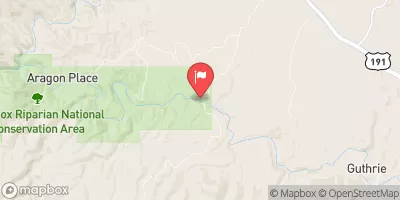 Gila River Near Clifton
|
22cfs |
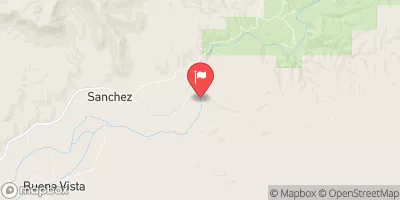 Gila River At Head Of Safford Valley
|
53cfs |
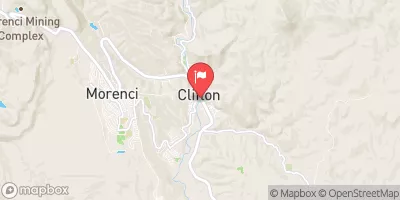 San Francisco River At Clifton
|
21cfs |
15-Day Long Term Forecast
Year Completed |
1954 |
Dam Length |
1 |
River Or Stream |
RAILROAD WASH |
Primary Dam Type |
Gravity |
Hydraulic Height |
17 |
Nid Storage |
219.2 |
Structural Height |
20 |
Hazard Potential |
Low |
Foundations |
Unlisted/Unknown |
Nid Height |
20 |
Seasonal Comparison
5-Day Hourly Forecast Detail
Dam Data Reference
Condition Assessment
SatisfactoryNo existing or potential dam safety deficiencies are recognized. Acceptable performance is expected under all loading conditions (static, hydrologic, seismic) in accordance with the minimum applicable state or federal regulatory criteria or tolerable risk guidelines.
Fair
No existing dam safety deficiencies are recognized for normal operating conditions. Rare or extreme hydrologic and/or seismic events may result in a dam safety deficiency. Risk may be in the range to take further action. Note: Rare or extreme event is defined by the regulatory agency based on their minimum
Poor A dam safety deficiency is recognized for normal operating conditions which may realistically occur. Remedial action is necessary. POOR may also be used when uncertainties exist as to critical analysis parameters which identify a potential dam safety deficiency. Investigations and studies are necessary.
Unsatisfactory
A dam safety deficiency is recognized that requires immediate or emergency remedial action for problem resolution.
Not Rated
The dam has not been inspected, is not under state or federal jurisdiction, or has been inspected but, for whatever reason, has not been rated.
Not Available
Dams for which the condition assessment is restricted to approved government users.
Hazard Potential Classification
HighDams assigned the high hazard potential classification are those where failure or mis-operation will probably cause loss of human life.
Significant
Dams assigned the significant hazard potential classification are those dams where failure or mis-operation results in no probable loss of human life but can cause economic loss, environment damage, disruption of lifeline facilities, or impact other concerns. Significant hazard potential classification dams are often located in predominantly rural or agricultural areas but could be in areas with population and significant infrastructure.
Low
Dams assigned the low hazard potential classification are those where failure or mis-operation results in no probable loss of human life and low economic and/or environmental losses. Losses are principally limited to the owner's property.
Undetermined
Dams for which a downstream hazard potential has not been designated or is not provided.
Not Available
Dams for which the downstream hazard potential is restricted to approved government users.
 Gila
Gila
 Continue with Snoflo Premium