
Two Rivers Diamond A Dam - Rocky Dam Reservoir Report
Last Updated: December 5, 2025
The Two Rivers Diamond A Dam - Rocky Dam, also known as the Two Rivers Reservoir, is a federal water resource project located in Roswell, New Mexico, owned and managed by the US Army Corps of Engineers.
°F
°F
mph
Wind
%
Humidity
Summary
This dam project serves as a key flood control measure to mitigate flooding along the Rio Hondo and Pecos River to Fort Sumner Lake. However, there are concerns about the potential for catastrophic downstream damages in the event of a dam breach, particularly impacting communities such as Roswell, Midway, Dexter, and Hagerman.
To manage the risks associated with the Two Rivers Dam project, the US Army Corps of Engineers implements a series of measures, including routine inspections, assessments, maintenance activities, and risk communication strategies. Inspections and evaluations are regularly conducted to monitor the dam's performance, with special attention given to high pools, spillway flows, and signs of distress. Maintenance activities, such as erosion repairs, vegetation removal, and debris removal, are also carried out to ensure the project's integrity and functionality. Additionally, risk communication efforts are ongoing to inform affected communities downstream and coordinate flood warnings in case of emergency.
Despite the low hazard potential of the Two Rivers Dam project, the US Army Corps of Engineers remains vigilant in managing potential risks and ensuring the safety of the surrounding communities. By implementing a comprehensive risk management plan that includes regular inspections, maintenance activities, and effective communication strategies, the project aims to minimize the impact of any unforeseen events and protect the lives and property of those living downstream of the dam.
Dam Height |
118 |
Nid Storage |
26440 |
Hazard Potential |
Low |
Nid Height |
118 |
Seasonal Comparison
Weather Forecast
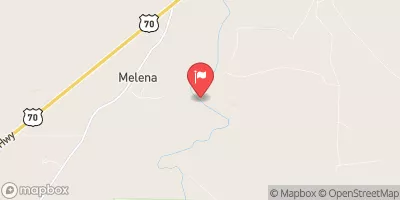
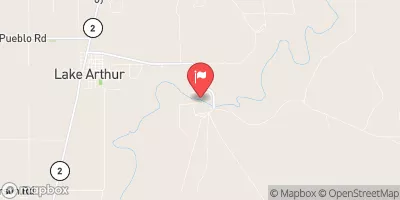
Nearby Streamflow Levels
Dam Data Reference
Condition Assessment
SatisfactoryNo existing or potential dam safety deficiencies are recognized. Acceptable performance is expected under all loading conditions (static, hydrologic, seismic) in accordance with the minimum applicable state or federal regulatory criteria or tolerable risk guidelines.
Fair
No existing dam safety deficiencies are recognized for normal operating conditions. Rare or extreme hydrologic and/or seismic events may result in a dam safety deficiency. Risk may be in the range to take further action. Note: Rare or extreme event is defined by the regulatory agency based on their minimum
Poor A dam safety deficiency is recognized for normal operating conditions which may realistically occur. Remedial action is necessary. POOR may also be used when uncertainties exist as to critical analysis parameters which identify a potential dam safety deficiency. Investigations and studies are necessary.
Unsatisfactory
A dam safety deficiency is recognized that requires immediate or emergency remedial action for problem resolution.
Not Rated
The dam has not been inspected, is not under state or federal jurisdiction, or has been inspected but, for whatever reason, has not been rated.
Not Available
Dams for which the condition assessment is restricted to approved government users.
Hazard Potential Classification
HighDams assigned the high hazard potential classification are those where failure or mis-operation will probably cause loss of human life.
Significant
Dams assigned the significant hazard potential classification are those dams where failure or mis-operation results in no probable loss of human life but can cause economic loss, environment damage, disruption of lifeline facilities, or impact other concerns. Significant hazard potential classification dams are often located in predominantly rural or agricultural areas but could be in areas with population and significant infrastructure.
Low
Dams assigned the low hazard potential classification are those where failure or mis-operation results in no probable loss of human life and low economic and/or environmental losses. Losses are principally limited to the owner's property.
Undetermined
Dams for which a downstream hazard potential has not been designated or is not provided.
Not Available
Dams for which the downstream hazard potential is restricted to approved government users.
 Two Rivers Diamond A Dam - Rocky Dam