
Summary
Built in 1994 by the Colorado Division of Wildlife, this concrete dam on Lake Creek has a height of 7 feet and a storage capacity of 881 acre-feet. With a surface area of 221 acres and a drainage area of 10 square miles, the reservoir offers ample opportunities for outdoor activities such as fishing, boating, and wildlife viewing.
Despite its low hazard potential, Lake John Annex is rated as having a high risk level due to its risk assessment score of 2. While the condition of the dam is currently not rated, regular inspections are conducted every 6 years to ensure its safety and integrity. With its serene surroundings and recreational amenities, this reservoir serves as a popular destination for water enthusiasts and climate advocates alike, highlighting the importance of sustainable water resource management in the region.
Visitors to Lake John Annex can enjoy its tranquil waters and scenic landscapes while also appreciating the efforts made by state agencies to regulate, inspect, and enforce safety measures for the dam. As one of Colorado's recreational gems, this reservoir exemplifies the balance between human enjoyment and environmental stewardship, showcasing the vital role that water resources play in the overall health of our ecosystems and communities.
Year Completed |
1994 |
Dam Length |
32 |
Dam Height |
4 |
River Or Stream |
LAKE CREEK |
Primary Dam Type |
Concrete |
Surface Area |
221 |
Hydraulic Height |
4 |
Drainage Area |
10 |
Nid Storage |
881 |
Structural Height |
7 |
Hazard Potential |
Low |
Foundations |
Soil |
Nid Height |
7 |
Seasonal Comparison
Weather Forecast
Nearby Streamflow Levels
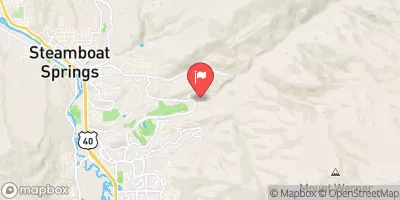
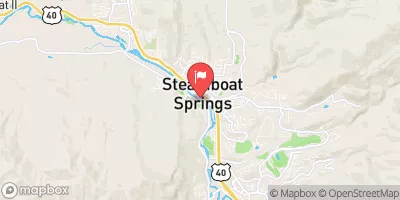
Dam Data Reference
Condition Assessment
SatisfactoryNo existing or potential dam safety deficiencies are recognized. Acceptable performance is expected under all loading conditions (static, hydrologic, seismic) in accordance with the minimum applicable state or federal regulatory criteria or tolerable risk guidelines.
Fair
No existing dam safety deficiencies are recognized for normal operating conditions. Rare or extreme hydrologic and/or seismic events may result in a dam safety deficiency. Risk may be in the range to take further action. Note: Rare or extreme event is defined by the regulatory agency based on their minimum
Poor A dam safety deficiency is recognized for normal operating conditions which may realistically occur. Remedial action is necessary. POOR may also be used when uncertainties exist as to critical analysis parameters which identify a potential dam safety deficiency. Investigations and studies are necessary.
Unsatisfactory
A dam safety deficiency is recognized that requires immediate or emergency remedial action for problem resolution.
Not Rated
The dam has not been inspected, is not under state or federal jurisdiction, or has been inspected but, for whatever reason, has not been rated.
Not Available
Dams for which the condition assessment is restricted to approved government users.
Hazard Potential Classification
HighDams assigned the high hazard potential classification are those where failure or mis-operation will probably cause loss of human life.
Significant
Dams assigned the significant hazard potential classification are those dams where failure or mis-operation results in no probable loss of human life but can cause economic loss, environment damage, disruption of lifeline facilities, or impact other concerns. Significant hazard potential classification dams are often located in predominantly rural or agricultural areas but could be in areas with population and significant infrastructure.
Low
Dams assigned the low hazard potential classification are those where failure or mis-operation results in no probable loss of human life and low economic and/or environmental losses. Losses are principally limited to the owner's property.
Undetermined
Dams for which a downstream hazard potential has not been designated or is not provided.
Not Available
Dams for which the downstream hazard potential is restricted to approved government users.
 Lake John Annex
 Roaring Fork (West Section Line Sec 28 T9N, R82W); Red Canyon (Nw1/4 Sec 5, T8N, R82W) To East Section Line Sec 34, T9N, R82W
 North Delaney
 North Platte River
 East Delaney
 South Delaney
 South Delaney Lake