
New Spicer Meadow Reservoir Report
Nearby: Union Main Union Auxiliary No. 2
Last Updated: December 19, 2025
New Spicer Meadow is a high-altitude wetland located in the Sierra Nevada Mountains in California.
°F
°F
mph
Wind
%
Humidity
Summary
It is situated in the Stanislaus National Forest and is known for its abundant wildflowers, lush greenery, and crystal-clear streams. In terms of its hydrology, the meadow is fed by the melting snowpack from nearby mountains, which then flows into Spicer Reservoir. The meadow also acts as an important water storage area and provides water to local communities and irrigation for agricultural purposes. It is home to a diverse range of wildlife, including amphibians, birds, and mammals. Recreational activities such as hiking, camping, and fishing are popular in the area. The meadow has a rich history dating back to the Native American tribes who lived in the area and later served as a grazing ground for cattle.
Reservoir Details
| 24hr Change | None% |
| Percent of Normal | None% |
| Minimum |
|
| Maximum |
|
| Average | |
| Nid_Height | 265 |
| Hydraulic_Height | 238 |
| Primary_Dam_Type | Other |
| Drainage_Area | 45.4 |
| Year_Completed | 1989 |
| Dam_Height | 265 |
| Structural_Height | 251 |
| River_Or_Stream | Highland Creek |
| Foundations | Rock |
| Surface_Area | 2000 |
| Hazard_Potential | High |
| Nid_Storage | 193000 |
| Dam_Length | 2400 |
Seasonal Comparison
Storage Levels
Pool Elevation Levels
Top Conserv Storage Levels
Inflow Levels
Weather Forecast
Nearby Streamflow Levels

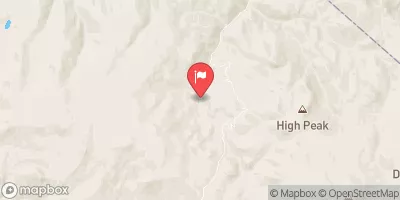
Dam Data Reference
Condition Assessment
SatisfactoryNo existing or potential dam safety deficiencies are recognized. Acceptable performance is expected under all loading conditions (static, hydrologic, seismic) in accordance with the minimum applicable state or federal regulatory criteria or tolerable risk guidelines.
Fair
No existing dam safety deficiencies are recognized for normal operating conditions. Rare or extreme hydrologic and/or seismic events may result in a dam safety deficiency. Risk may be in the range to take further action. Note: Rare or extreme event is defined by the regulatory agency based on their minimum
Poor A dam safety deficiency is recognized for normal operating conditions which may realistically occur. Remedial action is necessary. POOR may also be used when uncertainties exist as to critical analysis parameters which identify a potential dam safety deficiency. Investigations and studies are necessary.
Unsatisfactory
A dam safety deficiency is recognized that requires immediate or emergency remedial action for problem resolution.
Not Rated
The dam has not been inspected, is not under state or federal jurisdiction, or has been inspected but, for whatever reason, has not been rated.
Not Available
Dams for which the condition assessment is restricted to approved government users.
Hazard Potential Classification
HighDams assigned the high hazard potential classification are those where failure or mis-operation will probably cause loss of human life.
Significant
Dams assigned the significant hazard potential classification are those dams where failure or mis-operation results in no probable loss of human life but can cause economic loss, environment damage, disruption of lifeline facilities, or impact other concerns. Significant hazard potential classification dams are often located in predominantly rural or agricultural areas but could be in areas with population and significant infrastructure.
Low
Dams assigned the low hazard potential classification are those where failure or mis-operation results in no probable loss of human life and low economic and/or environmental losses. Losses are principally limited to the owner's property.
Undetermined
Dams for which a downstream hazard potential has not been designated or is not provided.
Not Available
Dams for which the downstream hazard potential is restricted to approved government users.
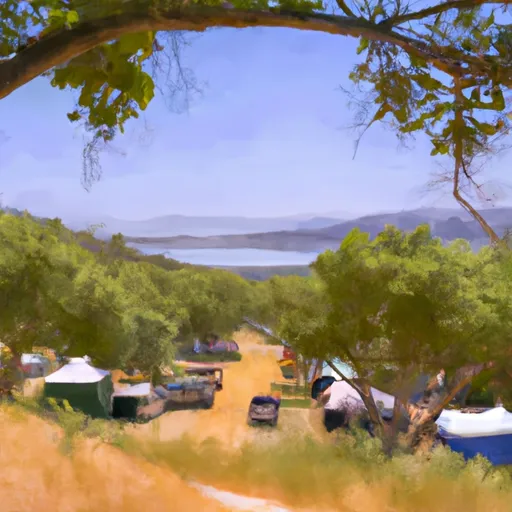 Spicer Reservoir Group Campground
 Spicer Reservoir Campground
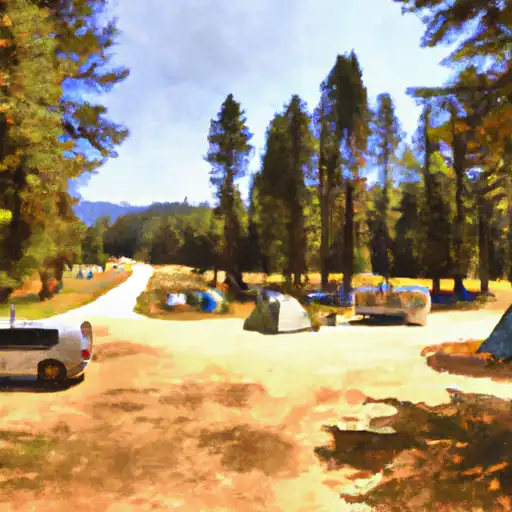 Spicer Meadow
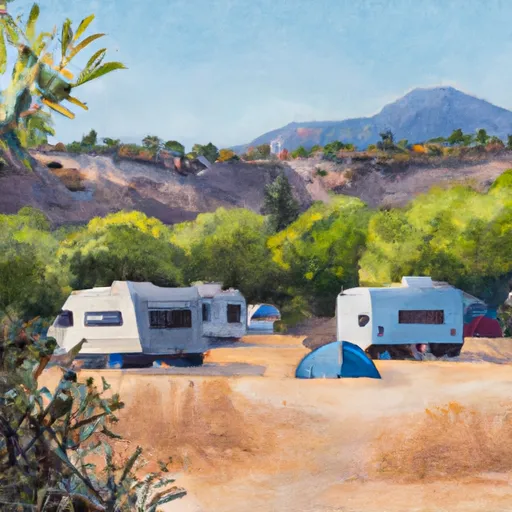 Union West Campground
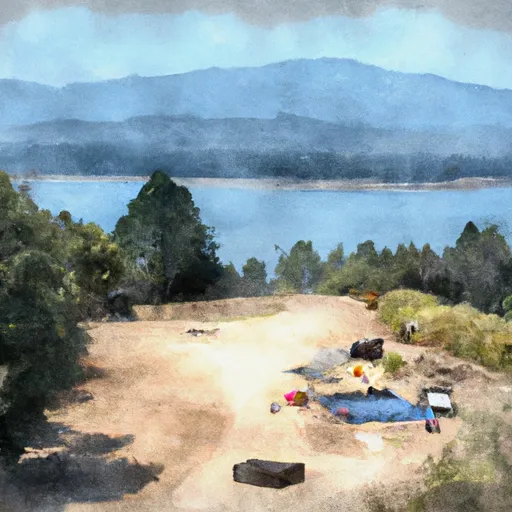 Utica Reservoir Campgrounds
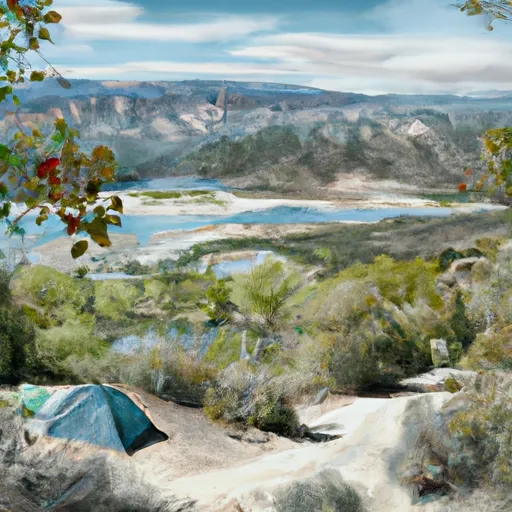 Union Reservoir East
 New Spicer Meadow
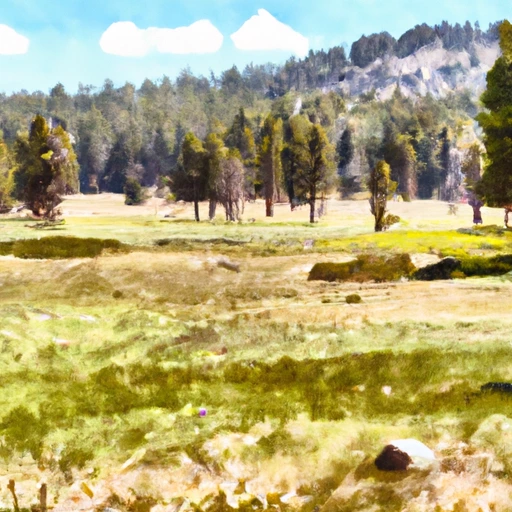 New Spicer Meadow
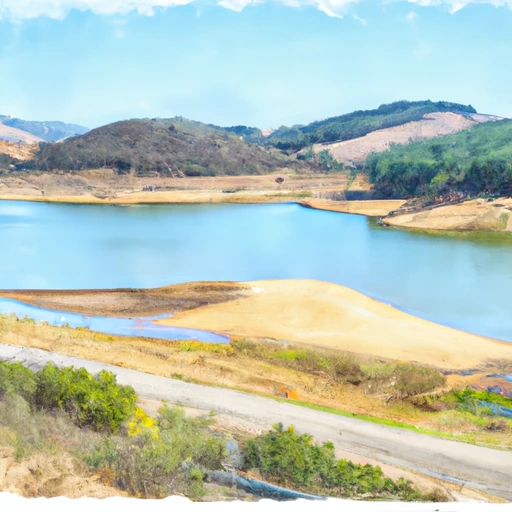 Utica Reservoir
 Donnell Lk Nr Dardanelle Ca
 Donnells
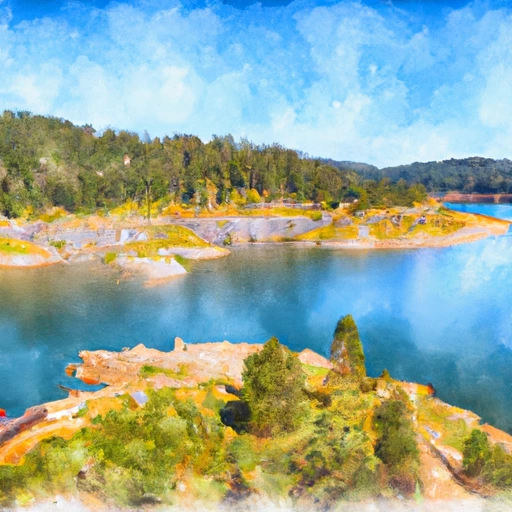 Lake Alpine Reservoir
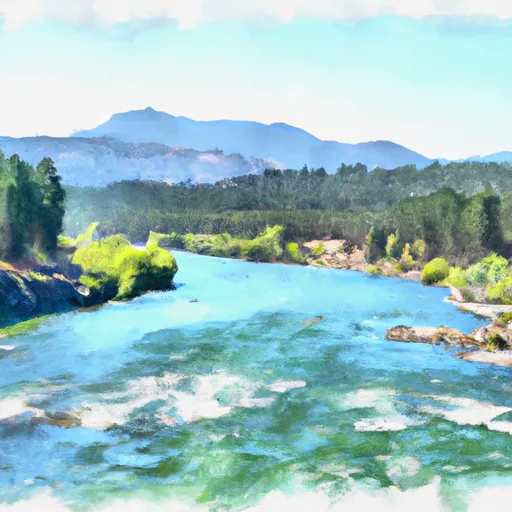 Confluence With Clark Fork To Donnell Reservoir
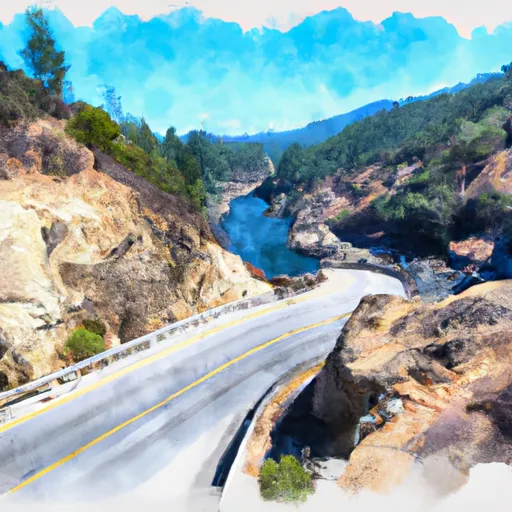 State Highway 108 To Donnell Reservoir
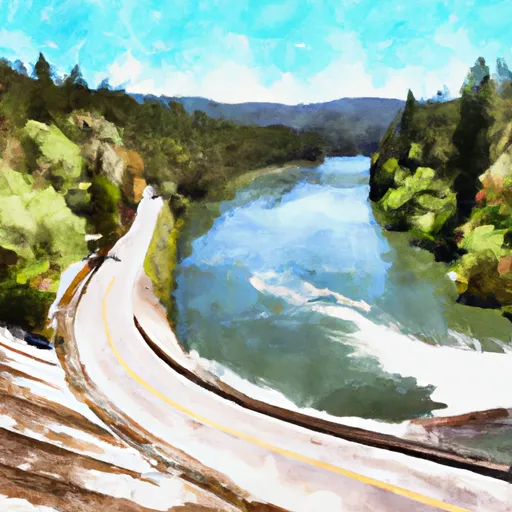 Highway 4 To Salt Springs Reservoir