

Mcnary Lock And Dam - Kennewick Levee 6b Reservoir Report
Last Updated: May 3, 2026
°F
°F
mph
Wind
%
Humidity
Mcnary Lock and Dam, situated on the Columbia River in Pasco, Oregon, is a vital federal infrastructure designed for flood risk reduction.
Summary
Completed in 1952 by the US Army Corps of Engineers, this earth dam stands at a height of 30 feet and is associated with 12 structures. While the dam's primary purpose is flood risk reduction, it also plays a crucial role in managing water levels and maintaining structural integrity during severe weather events.
With a high hazard potential, the dam's risk management measures focus on continuous monitoring, prioritizing activities to mitigate risks, and engaging with local emergency managers and the public to raise awareness and preparedness for potential dam-related emergencies. The US Army Corps of Engineers works diligently to maintain the dam's functionality through regular maintenance, repairs, and updates to the emergency action plan. As part of a broader effort to address flood risks associated with dams, ongoing risk assessments and communication with stakeholders are essential components of ensuring the safety and integrity of Mcnary Lock and Dam.
Regional Streamflow Levels
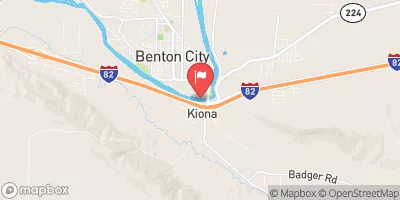
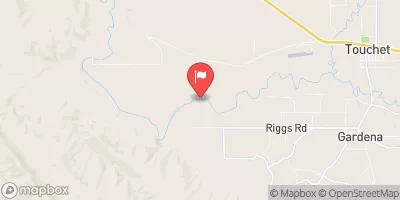
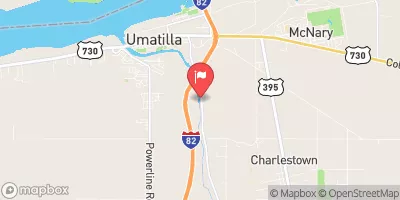
15-Day Long Term Forecast
Year Completed |
1952 |
Dam Height |
30 |
River Or Stream |
COLUMBIA |
Primary Dam Type |
Earth |
Hazard Potential |
High |
Nid Height |
30 |
Seasonal Comparison
5-Day Hourly Forecast Detail
Dam Data Reference
Condition Assessment
SatisfactoryNo existing or potential dam safety deficiencies are recognized. Acceptable performance is expected under all loading conditions (static, hydrologic, seismic) in accordance with the minimum applicable state or federal regulatory criteria or tolerable risk guidelines.
Fair
No existing dam safety deficiencies are recognized for normal operating conditions. Rare or extreme hydrologic and/or seismic events may result in a dam safety deficiency. Risk may be in the range to take further action. Note: Rare or extreme event is defined by the regulatory agency based on their minimum
Poor A dam safety deficiency is recognized for normal operating conditions which may realistically occur. Remedial action is necessary. POOR may also be used when uncertainties exist as to critical analysis parameters which identify a potential dam safety deficiency. Investigations and studies are necessary.
Unsatisfactory
A dam safety deficiency is recognized that requires immediate or emergency remedial action for problem resolution.
Not Rated
The dam has not been inspected, is not under state or federal jurisdiction, or has been inspected but, for whatever reason, has not been rated.
Not Available
Dams for which the condition assessment is restricted to approved government users.
Hazard Potential Classification
HighDams assigned the high hazard potential classification are those where failure or mis-operation will probably cause loss of human life.
Significant
Dams assigned the significant hazard potential classification are those dams where failure or mis-operation results in no probable loss of human life but can cause economic loss, environment damage, disruption of lifeline facilities, or impact other concerns. Significant hazard potential classification dams are often located in predominantly rural or agricultural areas but could be in areas with population and significant infrastructure.
Low
Dams assigned the low hazard potential classification are those where failure or mis-operation results in no probable loss of human life and low economic and/or environmental losses. Losses are principally limited to the owner's property.
Undetermined
Dams for which a downstream hazard potential has not been designated or is not provided.
Not Available
Dams for which the downstream hazard potential is restricted to approved government users.
Area Campgrounds
| Location | Reservations | Toilets |
|---|---|---|
 Hood Park
|
||
 Columbia Park
|
||
 Ice Harbor Ramp - Lake Sacajawea
|
||
 Charbonneau Park
|
||
 Madame Dorion Park
|
||
 Juniper Forest and Wilderness Area
|
 East Donelson Road 222798-224804, Kennewick
 Continue with Snoflo Premium