The Pines - Fort Peck Lake Campground
Community Reviews
Been here? Share the conditions.
Reviews, ratings & photos are added in the free Snoflo iOS app — rate a spot, tag the conditions, and your visit is verified by location. Add or manage your reviews from the app.
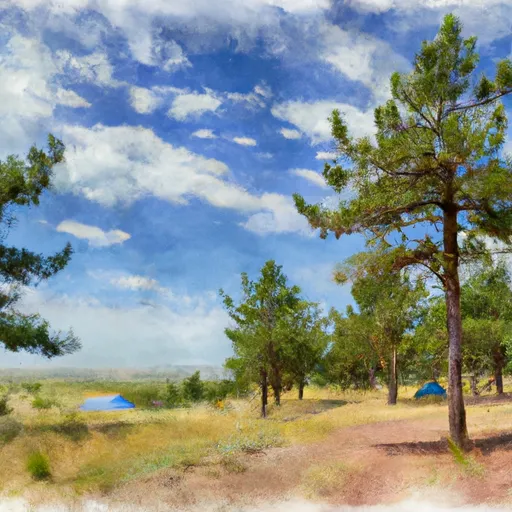
The Pines - Fort Peck Lake
The campground offers a variety of amenities, including picnic tables, fire rings, and vault toilets. The Pines Fort Peck Lake Camping Area is a first-come, first-served campsite, with 10 campsites available for use. One interesting fact about the area is that Fort Peck Lake is one of the largest man-made reservoirs in the United States, covering a surface area of over 246,000 acres.
The best time to visit the Pines Fort Peck Lake Camping Area is during the summer months, with temperatures averaging around 80°F (27°C) during the day and 50°F (10°C) at night. The area is also popular during the fall, when visitors can enjoy the beautiful autumn colors of the surrounding trees. Overall, the Pines Fort Peck Lake Camping Area is a wonderful destination for anyone looking to explore the natural beauty of Montana.
What's on-site at The Pines - Fort Peck Lake
Key facilities Snoflo tracks for this campground. Confirm with the operator before booking -- amenities can change seasonally.
Plan your trip down to the hour
Same weather feed Snoflo's iOS app uses -- updated continuously from NOAA / yr.no.
Next 5 days, hour by hour
Temperature line with weather symbols on top, snow + rain accumulation as columns, humidity as a dotted line.
5-day forecast table
Every 3 hours, broken out across temperature, snow, rain, humidity, and wind. Each cell is colour-coded relative to the column min/max so trends jump out at a glance.
| Time | Condition | Temp (°F) | Snow (in) | Rain (in) | Humidity (%) | Wind (mps) | Wind dir |
|---|---|---|---|---|---|---|---|
| Loading detailed forecast… | |||||||
15-day temperature & precipitation
Daily temperatures, snow, and rain projected over the next two weeks. Hover any point for the full breakdown.
Other campgrounds in the area
Snoflo-tracked campsites within driving distance of The Pines - Fort Peck Lake, with reservations status.
| Campground | Reservations | Toilets | View |
|---|---|---|---|
| Duck Creek - Lake Fort Peck | ✗ | ✗ | → |
| West End - Lake Fort Peck | ✗ | ✗ | → |
| Downstream - Fort Peck Lake | ✓ | ✗ | → |
| Floodplain- Lake Fort Peck | ✗ | ✗ | → |
| Rock Creek Fas | ✗ | ✗ | → |
Nearby streamflow
USGS streamgauges within reach of The Pines - Fort Peck Lake -- pulled live from the National Water Information System.
| Streamgauge | Discharge | View |
|---|---|---|
| Milk River At Nashua Mt | 184 cfs | → |
| Nelson Creek Near Van Norman Mt | 0 cfs | → |
| Milk River At Tampico Mt | 107 cfs | → |
| Beaver Creek Near Hinsdale Mt | 44 cfs | → |
| Missouri River Near Wolf Point Mt | 7,490 cfs | → |
| Milk River At Juneberg Bridge Nr Saco Mt | 144 cfs | → |
Nearby snow depths
NRCS SNOTEL stations within reach of The Pines - Fort Peck Lake -- relevant when planning a shoulder-season or alpine trip.
| SNOTEL station | Snowpack | 24h Snowfall | View |
|---|---|---|---|
| Glasgow Wfo | 0.0 in | 0.0 in | → |
| Glasgow | 0.0 in | 0.0 in | → |
Plan a longer trip
The closest parks, lakes, boat launches, and paddle runs so a camping night can grow into a full weekend.
Boat launches
Points of interest
Camping essentials & Leave No Trace
- Pack it in, pack it out
- Take all trash, food scraps, and gear back with you to keep campsites clean and protect wildlife.
- Respect wildlife
- Observe animals from a distance, store food securely, and never feed wildlife to maintain natural behavior and safety.
- Know before you go
- Check weather, fire restrictions, trail conditions, and permit requirements to ensure a safe and well-planned trip.
- Minimize campfire impact
- Use established fire rings, keep fires small, fully extinguish them, or opt for a camp stove when fires are restricted.
- Leave what you find
- Preserve natural and cultural features by avoiding removal of plants, rocks, artifacts, or other elements of the environment.
Set push alerts in the Snoflo app
Save The Pines - Fort Peck Lake as a favorite, set a custom threshold (precipitation, snowpack, freezing temperatures), and the iOS app will push the moment conditions cross.
About The Pines - Fort Peck Lake
Can I make reservations at The Pines - Fort Peck Lake?
This campground does not appear to accept reservations -- it's typically first-come, first-served. Arrive early on summer weekends.
How fresh is the weather data on this page?
The hourly forecast updates throughout the day from the NOAA / yr.no public feeds. Streamflow data is pulled live from USGS streamgauges and snowpack from the NRCS SNOTEL network.
What's the best time of year to visit?
Use the 15-day temperature & precipitation outlook on this page to plan -- pick a window with comfortable temperatures and low precipitation. For longer trips, the 5-day hourly meteogram shows snow + rain accumulation hour-by-hour.
How do I get to The Pines - Fort Peck Lake?
Tap Directions in the hero above to open driving directions in Google Maps, or Open in map to center the Snoflo interactive map on the campground.
Can I get alerts when conditions change?
Yes -- alerts are managed through the Snoflo iOS app. Favorite this campground, set a threshold (temperature, snowpack, precipitation), and you'll get a push the moment it crosses.
Other campgrounds near here
Snoflo-tracked campgrounds within driving distance of The Pines - Fort Peck Lake.
Create a free account, or sign in.
Get the free The Pines - Fort Peck Lake report — alerts, favorites, and history & forecasts, plus the free iPhone app.
Pick your camping window two weeks out.
Snoflo Premium adds 15-day forecasts at every campground, weather alerts for your saved spots, and full seasonal history.