

West Potomac Park
Last Updated: May 1, 2026
Leave a Rating°F
°F
mph
Wind
%
Humidity
West Potomac Park is a beautiful and historic destination located in Washington, D.C., not in the state of Virginia.
Summary
Situated alongside the Potomac River, this park offers a variety of attractions and reasons to visit throughout the year.
One of the main highlights of West Potomac Park is its proximity to several iconic monuments and memorials, making it a perfect spot for sightseeing. The park is home to the famous Lincoln Memorial, a colossal marble statue of Abraham Lincoln that attracts millions of visitors each year. Nearby, visitors can also explore the Vietnam Veterans Memorial, Korean War Veterans Memorial, and the Martin Luther King Jr. Memorial, each paying tribute to important moments in American history.
Moreover, West Potomac Park boasts stunning cherry blossom trees that bloom every spring, creating a mesmerizing landscape. These trees were a gift from Japan and their blossoms, typically in late March or early April, draw crowds from around the world. The Tidal Basin, located within the park, offers a picturesque setting to enjoy the cherry blossoms.
Beyond the monuments and cherry blossoms, West Potomac Park offers ample opportunities for outdoor activities. Visitors can jog or bike along the park's scenic trails, have a picnic on its lush lawns, or rent a paddleboat to explore the Tidal Basin.
In terms of the best time to visit, it largely depends on personal preferences. Spring is undoubtedly the most popular time due to the cherry blossoms, but it can also be crowded. Fall, when the weather is cooler and the crowds have dissipated, is another excellent time to visit. During winter, the park's landscapes can be quite serene, especially after a snowfall.
To ensure accuracy, it is advisable to verify this information across multiple independent sources, such as official park websites, travel guides, and reputable news outlets.
15-Day Long Term Forecast
5-Day Hourly Forecast Detail
Park & Land Designation Reference
Large protected natural areas managed by the federal government to preserve significant landscapes, ecosystems, and cultural resources; recreation is allowed but conservation is the priority.
State Park
Public natural or recreational areas managed by a state government, typically smaller than national parks and focused on regional natural features, recreation, and education.
Local Park
Community-level parks managed by cities or counties, emphasizing recreation, playgrounds, sports, and green space close to populated areas.
Wilderness Area
The highest level of land protection in the U.S.; designated areas where nature is left essentially untouched, with no roads, structures, or motorized access permitted.
National Recreation Area
Areas set aside primarily for outdoor recreation (boating, hiking, fishing), often around reservoirs, rivers, or scenic landscapes; may allow more development.
National Conservation Area (BLM)
BLM-managed areas with special ecological, cultural, or scientific value; more protection than typical BLM land but less strict than Wilderness Areas.
State Forest
State-managed forests focused on habitat, watershed, recreation, and sustainable timber harvest.
National Forest
Federally managed lands focused on multiple use—recreation, wildlife habitat, watershed protection, and resource extraction (like timber)—unlike the stricter protections of national parks.
Wilderness
A protected area set aside to conserve specific resources—such as wildlife, habitats, or scientific features—with regulations varying widely depending on the managing agency and purpose.
Bureau of Land Management (BLM) Land
Vast federal lands managed for mixed use—recreation, grazing, mining, conservation—with fewer restrictions than national parks or forests.
Related References
Area Campgrounds
| Location | Reservations | Toilets |
|---|---|---|
 Camp Loop D
|
||
 Camp Loop C
|
||
 Camp Loop B
|
||
 Camp Loop A
|
||
 Andrews AFB Military
|
||
 Greenbelt Park
|
 Franklin Delano Roosevelt Memorial
 Thomas Jefferson Memorial
 Martin Luther King Jr. Memorial
 Washington Monument
 World War II Memorial
 Reflecting Pool
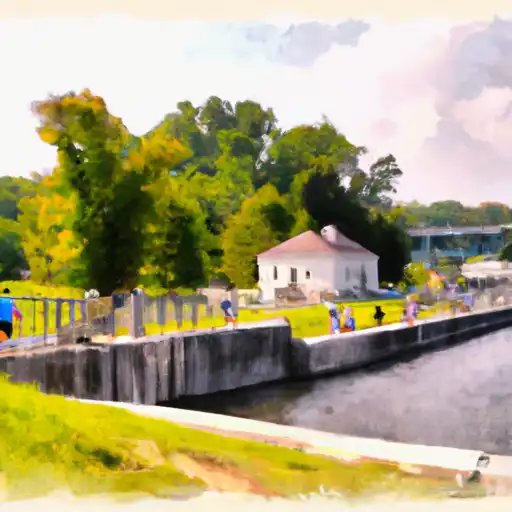 Lock House
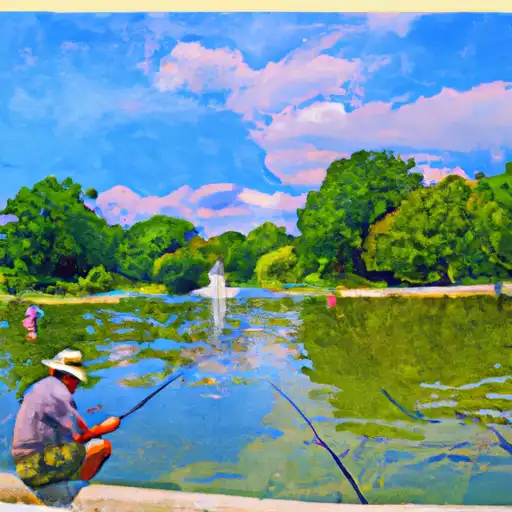 Constitutional Gardens Pond
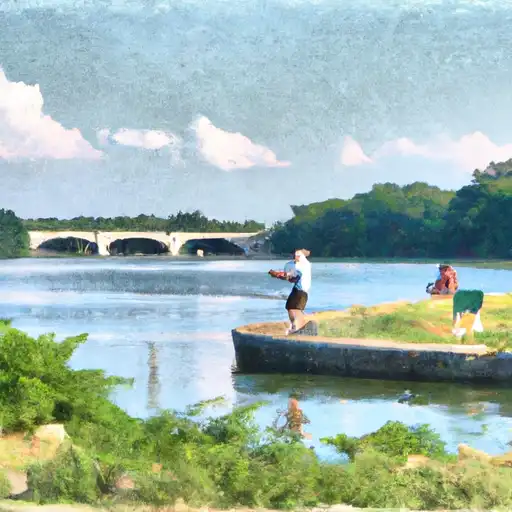 Boundary Channel
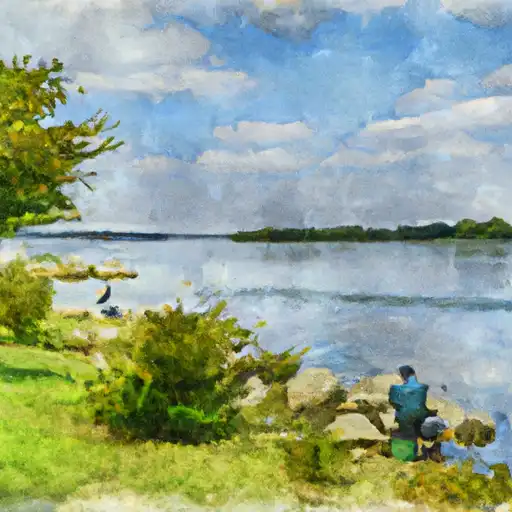 Washington Channel
 Continue with Snoflo Premium