
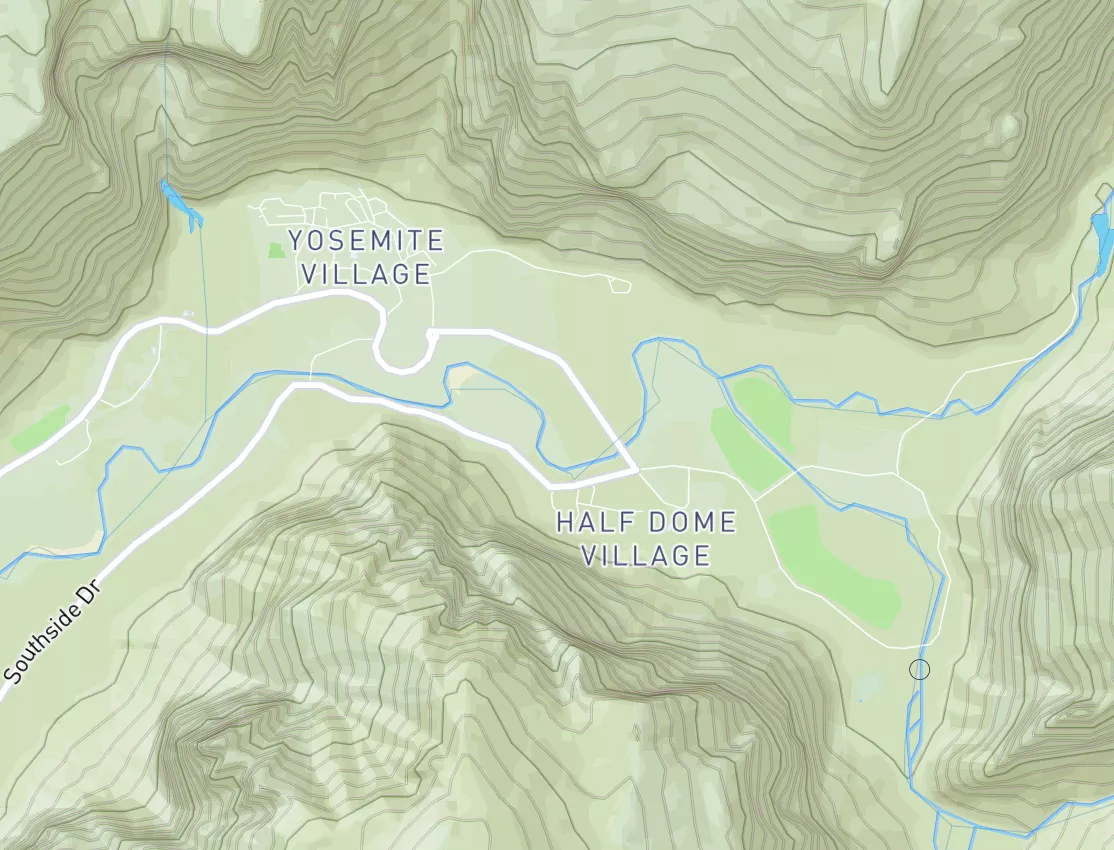

Thomas Jefferson Memorial
Last Updated: May 1, 2026
Leave a Rating°F
°F
mph
Wind
%
Humidity
The Thomas Jefferson Memorial, situated in the District of Columbia, is a prominent national monument dedicated to the third President of the United States, Thomas Jefferson.
Summary
This memorial is an iconic structure that honors Jefferson's contributions as a founding father, author of the Declaration of Independence, and advocate for liberty and religious freedom. There are several good reasons to visit the Thomas Jefferson Memorial, including its historical significance, unique architecture, and stunning location along the Tidal Basin.
One of the main points of interest at the Thomas Jefferson Memorial is the 19-feet tall statue of Jefferson himself, which stands prominently in the center of the memorial's interior. The statue is surrounded by excerpts from Jefferson's most significant writings, providing visitors with a glimpse into his enlightened ideals. The memorial's design is inspired by the Pantheon in Rome, featuring a circular colonnade and a dome supported by Ionic columns. The exterior walls are adorned with quotes from Jefferson's writings, highlighting his beliefs in freedom and democracy.
Interesting facts about the Thomas Jefferson Memorial include its dedication on April 13, 1943, the 200th anniversary of Jefferson's birth. The memorial was designed by architect John Russell Pope and was the first memorial on the National Mall dedicated to an individual who was not a president. The memorial was also the site where civil rights activist Martin Luther King Jr. delivered his famous "I Have a Dream" speech during the March on Washington in 1963.
The best time of year to visit the Thomas Jefferson Memorial is during the spring when the cherry blossoms surrounding the Tidal Basin are in full bloom. This creates a picturesque scene, with the white marble memorial contrasting against the vibrant pink cherry blossoms. The annual National Cherry Blossom Festival, held from late March to early April, attracts millions of visitors to the area and offers various cultural and artistic events.
To ensure accuracy, it is advised to verify the information provided by referring to multiple independent sources such as the National Park Service's official website for the Thomas Jefferson Memorial, historical websites, and reputable travel guides.
15-Day Long Term Forecast
5-Day Hourly Forecast Detail
Park & Land Designation Reference
Large protected natural areas managed by the federal government to preserve significant landscapes, ecosystems, and cultural resources; recreation is allowed but conservation is the priority.
State Park
Public natural or recreational areas managed by a state government, typically smaller than national parks and focused on regional natural features, recreation, and education.
Local Park
Community-level parks managed by cities or counties, emphasizing recreation, playgrounds, sports, and green space close to populated areas.
Wilderness Area
The highest level of land protection in the U.S.; designated areas where nature is left essentially untouched, with no roads, structures, or motorized access permitted.
National Recreation Area
Areas set aside primarily for outdoor recreation (boating, hiking, fishing), often around reservoirs, rivers, or scenic landscapes; may allow more development.
National Conservation Area (BLM)
BLM-managed areas with special ecological, cultural, or scientific value; more protection than typical BLM land but less strict than Wilderness Areas.
State Forest
State-managed forests focused on habitat, watershed, recreation, and sustainable timber harvest.
National Forest
Federally managed lands focused on multiple use—recreation, wildlife habitat, watershed protection, and resource extraction (like timber)—unlike the stricter protections of national parks.
Wilderness
A protected area set aside to conserve specific resources—such as wildlife, habitats, or scientific features—with regulations varying widely depending on the managing agency and purpose.
Bureau of Land Management (BLM) Land
Vast federal lands managed for mixed use—recreation, grazing, mining, conservation—with fewer restrictions than national parks or forests.
Related References
Area Campgrounds
| Location | Reservations | Toilets |
|---|---|---|
 Camp Loop D
|
||
 Camp Loop C
|
||
 Camp Loop B
|
||
 Camp Loop A
|
||
 Andrews AFB Military
|
||
 Greenbelt Park
|
 West Potomac Park
 Franklin Delano Roosevelt Memorial
 Washington Monument
 Martin Luther King Jr. Memorial
 World War II Memorial
 Reflecting Pool
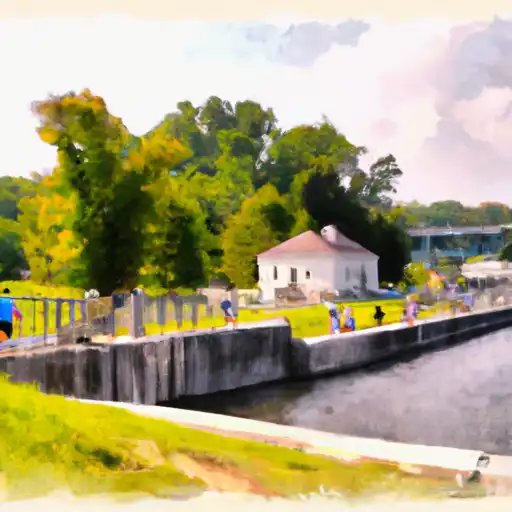 Lock House
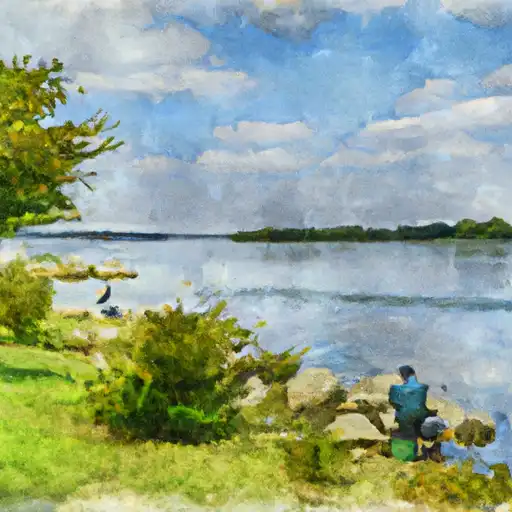 Washington Channel
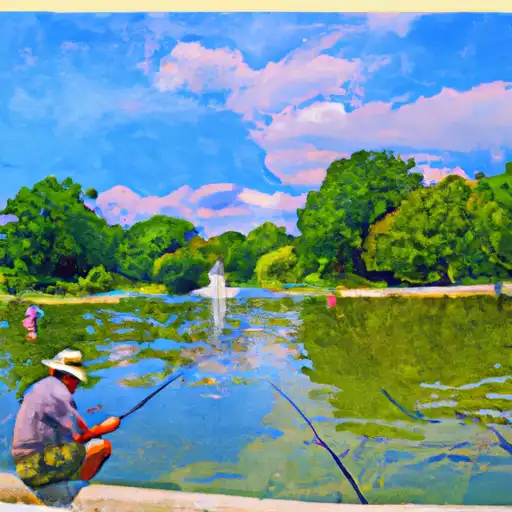 Constitutional Gardens Pond
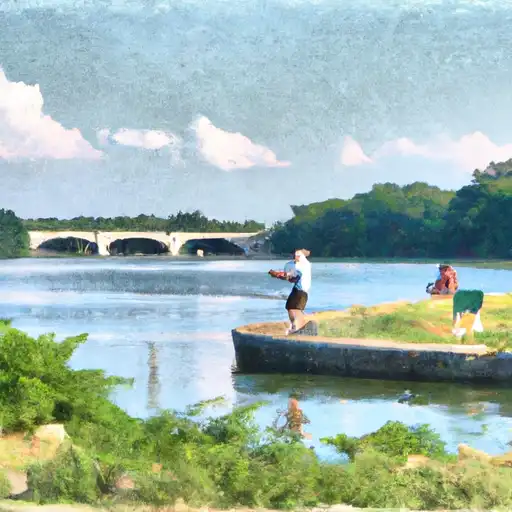 Boundary Channel
 Continue with Snoflo Premium