

Watauga Point Recreational Area
Last Updated: May 5, 2026
Leave a Rating°F
°F
mph
Wind
%
Humidity
Watauga Point Recreational Area, located in northeastern Tennessee, offers visitors a range of attractions and activities that make it a must-visit destination.
Summary
Nestled along the shores of Watauga Lake, the area provides stunning views of the surrounding Appalachian Mountains and a tranquil atmosphere for outdoor enthusiasts. Here is a summary of what makes Watauga Point Recreational Area worth a visit, along with interesting facts and the best time of year to experience this beautiful region.
1. Reasons to Visit:
- Scenic Beauty: Watauga Point Recreational Area boasts breathtaking views of Watauga Lake, surrounded by lush forests and rolling hills. The picturesque landscape provides an ideal backdrop for outdoor activities, photography, and relaxation.
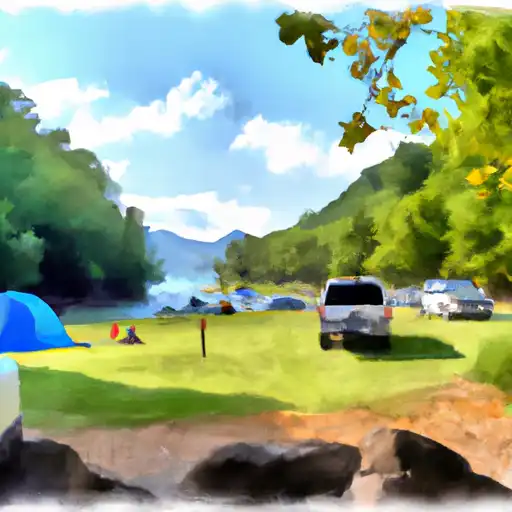
- Water Activities: Visitors can enjoy a variety of water-based activities on Watauga Lake. These include swimming, boating, fishing, jet skiing, kayaking, and paddleboarding. The lake is known for its clear waters and abundant fish populations, making it a paradise for anglers.
- Hiking and Nature Trails: The area is home to numerous hiking trails, offering opportunities for both leisurely walks and challenging hikes. The trails wind through beautiful forests and lead to stunning overlooks, waterfalls, and diverse wildlife.
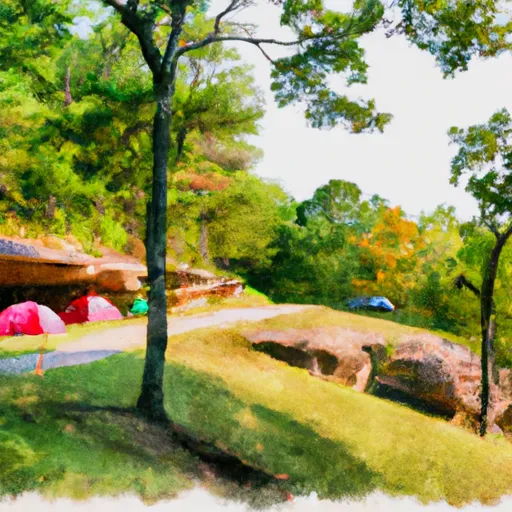
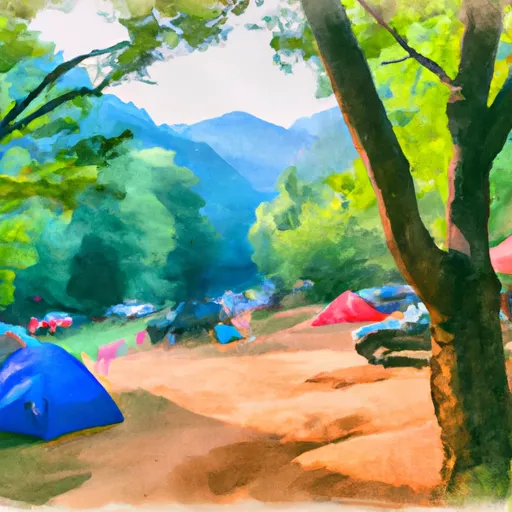
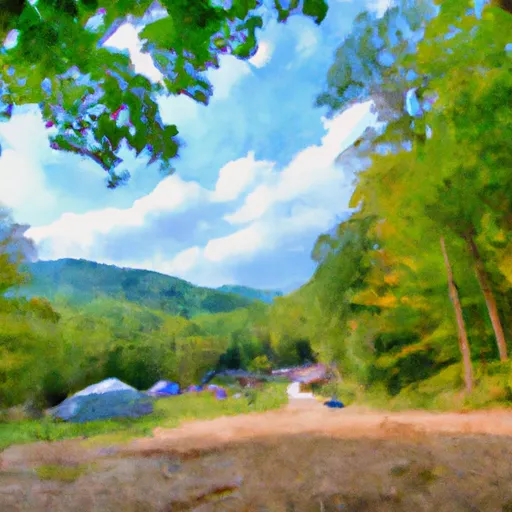
- Camping and Picnicking: Watauga Point Recreational Area features well-maintained campsites and picnic areas, giving visitors the chance to spend quality time with family and friends in a serene natural setting. The campgrounds offer basic amenities, including restrooms, fire pits, and picnic tables.
2. Points of Interest:
- Watauga Dam: Adjacent to the recreational area is the Watauga Dam, an impressive structure built in the 1940s for flood control and hydroelectric power generation. The dam is worth a visit to see its architectural marvel and to learn about its history and its role in the region's development.
- Appalachian Trail: Just a short distance away from Watauga Point Recreational Area lies the famous Appalachian Trail. This iconic long-distance hiking trail stretches over 2,000 miles from Georgia to Maine and offers hikers the chance to experience stunning vistas and unique wilderness.
- Roan Mountain State Park: A short drive from Watauga Point, Roan Mountain State Park offers additional outdoor recreational opportunities. The park features hiking trails, picnic areas, a swimming pool, and camping facilities, all set amidst the natural beauty of the Roan Highlands.
3. Interesting Facts:
- Watauga Lake is a reservoir created by the Tennessee Valley Authority (TVA) in the 1940s. It is the third cleanest lake in the United States, offering excellent water quality for recreational activities.
- The lake's name, "Watauga," originates from the Cherokee word meaning "beautiful waters," perfectly describing the area's stunning lake and pristine surroundings.
- Watauga Point Recreational Area is managed by the TVA, which ensures the preservation and conservation of this natural gem, providing visitors with a well-maintained and eco-friendly environment.
4. Best Time to Visit:
The best time to visit Watauga Point Recreational Area is during the warmer months, typically from late spring to early fall (May to September). During this period, visitors can fully enjoy water activities, hiking, and camping without concerns about freezing temperatures. However, it's advisable to check local weather conditions and plan ahead, as the area can experience occasional rainfall during the summer months.
Please note that while efforts have been made to ensure accuracy, it is always recommended to verify the information from multiple independent sources before making travel plans.
15-Day Long Term Forecast
5-Day Hourly Forecast Detail
Park & Land Designation Reference
Large protected natural areas managed by the federal government to preserve significant landscapes, ecosystems, and cultural resources; recreation is allowed but conservation is the priority.
State Park
Public natural or recreational areas managed by a state government, typically smaller than national parks and focused on regional natural features, recreation, and education.
Local Park
Community-level parks managed by cities or counties, emphasizing recreation, playgrounds, sports, and green space close to populated areas.
Wilderness Area
The highest level of land protection in the U.S.; designated areas where nature is left essentially untouched, with no roads, structures, or motorized access permitted.
National Recreation Area
Areas set aside primarily for outdoor recreation (boating, hiking, fishing), often around reservoirs, rivers, or scenic landscapes; may allow more development.
National Conservation Area (BLM)
BLM-managed areas with special ecological, cultural, or scientific value; more protection than typical BLM land but less strict than Wilderness Areas.
State Forest
State-managed forests focused on habitat, watershed, recreation, and sustainable timber harvest.
National Forest
Federally managed lands focused on multiple use—recreation, wildlife habitat, watershed protection, and resource extraction (like timber)—unlike the stricter protections of national parks.
Wilderness
A protected area set aside to conserve specific resources—such as wildlife, habitats, or scientific features—with regulations varying widely depending on the managing agency and purpose.
Bureau of Land Management (BLM) Land
Vast federal lands managed for mixed use—recreation, grazing, mining, conservation—with fewer restrictions than national parks or forests.
Related References
Area Campgrounds
| Location | Reservations | Toilets |
|---|---|---|
 Cardens Bluff
|
||
 Cardens Bluff Campground
|
||
 Watauga Dam Tailwater
|
||
 Dennis Cove Recreation Area
|
||
 Dennis Cove Rec Area
|
||
 Dennis Cove Campground
|
 Wilderness Big Laurel Brcanch
 Wilderness Pond Mountain
 Elizabethton City Park
 Elizabethton Historic District
 Walter Curtis Memorial Park
 Nolichucky River
 Big Horse Creek
 Dillard Place
 Bark Camp Recreation Area
 Blood Creek
 Continue with Snoflo Premium