Blind Bull Sum Snow Report
Blind Bull Sum at a glance
How the snowpack at Blind Bull Sum looks right now, where the station sits on the map, and its key details.
Blind Bull Sum reports 0.0″ of new snowfall today, raising snowpack levels to 0 inches. Snowpack depth is % of normal, which is very low for this time of year. The mountain is perched in Wyoming at an elevation of 8,650ft, where the air temperature is about 53°F right now.
Seasonal average snowpack on this calendar day is 2 inches across the station's full record. Below-normal snowpack like this typically translates to a thinner spring runoff downstream and earlier snowmelt -- worth watching for downstream water-supply forecasts.
For real-time and historical context, see the realtime view or the historical comparison. Browse other stations in the Wyoming snow report.
How does this compare to past years?
Year-over-year percentile bands, every recorded powder day, and the deepest snowpack on record each water year at this station.
Weather Forecast
Next 5 days, hour by hour
Temperature line with weather symbols on top, snow + rain accumulation as columns, humidity as a dotted line.
5-day forecast table
Every 3 hours, broken out across temperature, snow, rain, humidity, and wind.
| Time | Condition | Temp (°F) | Snow (in) | Rain (in) | Humidity (%) | Wind (mps) | Wind dir |
|---|---|---|---|---|---|---|---|
| Loading detailed forecast… | |||||||
15-day temperature & snow
Daily temperatures, snow, and rain projected over the next two weeks.
Blind Bull Sum
Blind Bull Summit, located within the Bighorn Mountains of Wyoming, boasts an elevation of 9,200 feet and an average annual snowfall of 300 inches. The average peak snowpack is approximately 130 inches, making it a prime location for winter sports enthusiasts. Nearby ski resorts include Meadowlark Ski Lodge and Antelope Butte Mountain Recreation Area.
Climate trends in the region suggest that temperatures are rising, leading to earlier snowmelt and potentially decreasing snowpack levels. However, Blind Bull Summit's high elevation mitigates some of these effects.
The snowpack at Blind Bull Summit is a vital source of water for downstream rivers, creeks, and reservoirs, including the Tongue River Reservoir and Tongue River. As spring approaches and the snowpack begins to melt, it will contribute to the hydrology of the surrounding area, providing crucial water resources for both natural ecosystems and human use.
1. Hiking: There are numerous hiking trails near Blind Bull Summit, including the Blind Bull Trail, which offers stunning views of the surrounding mountains and forests. Hiking is a great way to explore the natural beauty of the area and get some exercise at the same time. 2. Fishing: The nearby Green River is known for its excellent trout fishing, making it a popular destination for anglers. Whether you prefer fly fishing or spin casting, there are plenty of opportunities to reel in a big catch in the cool waters of the river. 3. Camping: There are several campgrounds near Blind Bull Summit, including the Green River Campground and the Piney Campground. Camping is a great way to immerse yourself in nature and enjoy the peaceful surroundings of the area. 4. Wildlife viewing: The area surrounding Blind Bull Summit is home to a variety of wildlife, including elk, moose, deer, and birds of prey. Wildlife viewing is a popular activity for nature enthusiasts who want to observe these animals in their natural habitat. 5. Mountain biking: The rugged terrain near Blind Bull Summit offers plenty of opportunities for mountain biking. There are several mountain bike trails in the area, ranging from beginner-friendly to more advanced routes for experienced riders. 6. Horseback riding: Horseback riding is a popular activity in the mountains near Blind Bull Summit, with several outfitters offering guided trail rides through the scenic landscape. Riding on horseback allows you to explore the area at a leisurely pace and experience the beauty of the wilderness up close.
Nearby snowpack depths
Cross-check whether Blind Bull Sum's snowpack is a one-off accumulation or a regional storm cycle.
| Station | Snowpack |
|---|---|
| Blind Bull Sum | 0 in |
| Nohrsc Blind Bull Summit Snotel | 0 in |
| Triple Peak | 0 in |
| Nohrsc Triple Peak Snotel | 0 in |
| Willow Creek | 7 in |
| Nohrsc Willow Creek Snotel | 7 in |
Recreation near Blind Bull Sum
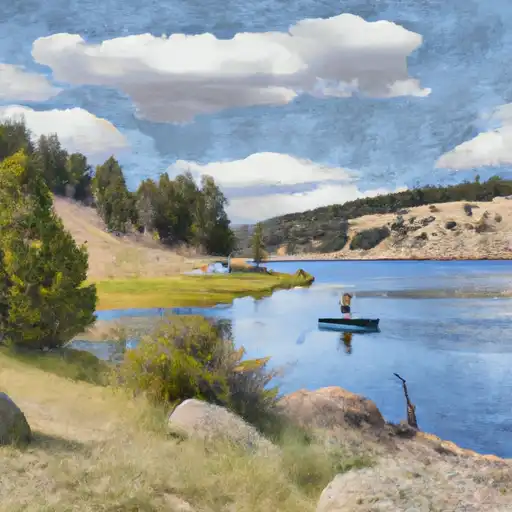
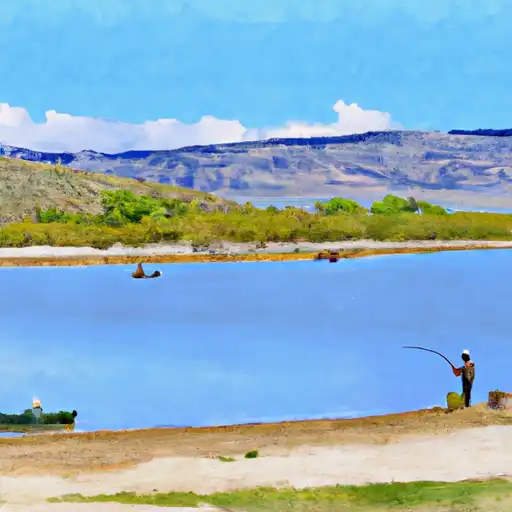
Ski areas, reservoirs, paddle runs, campgrounds, and fishing access within driving distance.


Mountain & avalanche safety
- Know before you go
- Check today's avalanche bulletin from the regional avalanche center before any backcountry / side-country travel. Conditions can shift dramatically between morning and afternoon on storm days.
- Carry the gear, know how to use it
- Beacon, shovel, probe. Practice companion rescue on a calm day, not during a real burial.
- Mind the weather window
- Heavy snow + wind builds wind slabs at ridgelines. The day after a storm is often the riskiest in the backcountry.
- Read the snowpack
- A weak, faceted, or wind-loaded snowpack — like the depth and trend shown above — is exactly what feeds slab avalanches. Dig a pit or check the bulletin before committing to steep terrain.
Track Blind Bull Sum in the Snoflo app
Save this station as a favorite, set push alerts when snowfall crosses a threshold (e.g. "alert me when Blind Bull Sum reports 6″ new"), and Snoflo's iOS app will push the moment the SNOTEL station crosses.
About Blind Bull Sum
Where does the snow data for Blind Bull Sum come from?
Snowpack depth, SWE, snowfall, and air temperature come from the NRCS SNOTEL station 353. Forecast comes from the NOAA / yr.no feed Snoflo's iOS app uses.
How often is the report updated?
NRCS SNOTEL stations report continuously (typically hourly). Snoflo refreshes throughout the day; check the "as of" timestamp on the snowpack hero card.
What's the difference between snowpack depth and SWE?
Snowpack depth measures how tall the snow is. SWE (snow water equivalent) measures how much WATER is in that snow. SWE matters more for hydrology and ski-season prediction since dry powder packs less water than wet/spring snow at the same depth.
How is "% of normal" calculated?
Today's snowpack is compared to the historical average snowpack on this calendar day across the station's full record. 100% = right on average; 130% = a big year; 60% = a thin year.
Can I get alerts when fresh snow hits?
Yes -- snow alerts are managed in the Snoflo iOS app. Favorite this station, set a snowfall threshold (e.g. "alert me when 6+ inches"), and you'll get a push the moment NRCS reports the crossing.
Create a free account, or sign in.
Get the free Blind Bull Sum report — alerts, favorites, and history & forecasts, plus the free iPhone app.