

Stony Creek Dam #9 Reservoir Report
Last Updated: May 1, 2026
°F
°F
mph
Wind
%
Humidity
Stony Creek Dam #9, also known as Lake Laura, is a vital flood risk reduction structure located in Shenandoah, Virginia.
Summary
Completed in 1971, this earth dam stands at a height of 80 feet and stretches 960 feet in length, creating a reservoir with a maximum storage capacity of 3417.5 acre-feet. The dam serves as a crucial component in protecting the surrounding area from potential flooding events, while also offering recreational opportunities for visitors to enjoy.
Managed by the Department of Conservation and Recreation, Stony Creek Dam #9 is subject to regular state inspections and enforcement measures to ensure its structural integrity and safety. The dam's Hazard Potential is classified as high, but its Condition Assessment in 2019 was deemed satisfactory. With a drainage area of 7.34 square miles and a maximum discharge capacity of 30331.4 cubic feet per second, the dam plays a crucial role in managing water resources and mitigating flood risks in the region.
Overall, Stony Creek Dam #9 stands as a testament to effective flood risk reduction efforts in Virginia. Its strategic location on Stony Creek, combined with its substantial storage capacity and structural design, makes it a key asset in safeguarding communities against potential flooding events. As water resource and climate enthusiasts, it is important to continue monitoring and supporting infrastructure projects like Stony Creek Dam #9 to ensure the resilience and sustainability of our water management systems in the face of changing climate patterns.
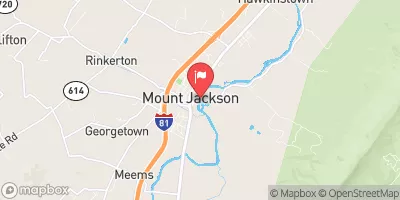
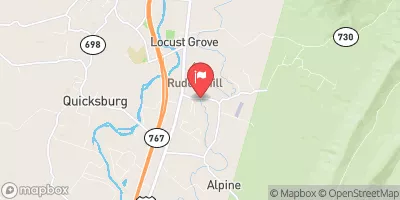
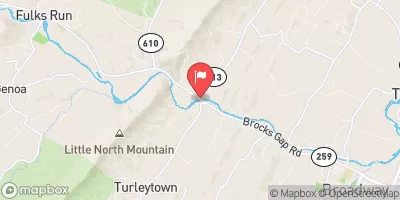
Regional Streamflow Levels
15-Day Long Term Forecast
Year Completed |
1971 |
Dam Length |
960 |
Dam Height |
80 |
River Or Stream |
Stony Creek |
Primary Dam Type |
Earth |
Surface Area |
44 |
Hydraulic Height |
80 |
Drainage Area |
7.34 |
Nid Storage |
3417.5 |
Structural Height |
80 |
Hazard Potential |
High |
Nid Height |
80 |
Seasonal Comparison
5-Day Hourly Forecast Detail
Dam Data Reference
Condition Assessment
SatisfactoryNo existing or potential dam safety deficiencies are recognized. Acceptable performance is expected under all loading conditions (static, hydrologic, seismic) in accordance with the minimum applicable state or federal regulatory criteria or tolerable risk guidelines.
Fair
No existing dam safety deficiencies are recognized for normal operating conditions. Rare or extreme hydrologic and/or seismic events may result in a dam safety deficiency. Risk may be in the range to take further action. Note: Rare or extreme event is defined by the regulatory agency based on their minimum
Poor A dam safety deficiency is recognized for normal operating conditions which may realistically occur. Remedial action is necessary. POOR may also be used when uncertainties exist as to critical analysis parameters which identify a potential dam safety deficiency. Investigations and studies are necessary.
Unsatisfactory
A dam safety deficiency is recognized that requires immediate or emergency remedial action for problem resolution.
Not Rated
The dam has not been inspected, is not under state or federal jurisdiction, or has been inspected but, for whatever reason, has not been rated.
Not Available
Dams for which the condition assessment is restricted to approved government users.
Hazard Potential Classification
HighDams assigned the high hazard potential classification are those where failure or mis-operation will probably cause loss of human life.
Significant
Dams assigned the significant hazard potential classification are those dams where failure or mis-operation results in no probable loss of human life but can cause economic loss, environment damage, disruption of lifeline facilities, or impact other concerns. Significant hazard potential classification dams are often located in predominantly rural or agricultural areas but could be in areas with population and significant infrastructure.
Low
Dams assigned the low hazard potential classification are those where failure or mis-operation results in no probable loss of human life and low economic and/or environmental losses. Losses are principally limited to the owner's property.
Undetermined
Dams for which a downstream hazard potential has not been designated or is not provided.
Not Available
Dams for which the downstream hazard potential is restricted to approved government users.
Area Campgrounds
| Location | Reservations | Toilets |
|---|---|---|
 Wolf Gap
|
||
 Wolf Gap Recreation Area
|
||
 Trout Pond
|
||
 Trout Pond Recreation Area
|
||
 Trout Pond Campground
|
||
 Camp Roosevelt Recreation Area
|
 South Mill Creek Near Mozer
 Bloomington Lake Near Elk Garden
 Savage River Reservoir Near Bloomington
 Kimsey Run Road Hardy County
River Runs
-
 The West Virginia 259 Bridge South Of Wardensville To Ends Where The Lost River Becomes The Cacapon River
-
 Begins Where The Lost River Becomes The Cacapon River To Wardensville
-
 Wardensville To The Town Of Capon Bridge
-
 Shreve Store To Big Bend Campground
-
 Jake Hill Road Bridge To Shreve Store
-
 Big Bend Campground To Canyon Exit (Just Prior To Confluence With North Branch)
 White Sulphur Pond
 Bealers Ferry Pond Accessible Fishing Site
 Bealers Ferry Boat Launch
 Moody Boat Launch
 Batzell Boat Launch
 Continue with Snoflo Premium