
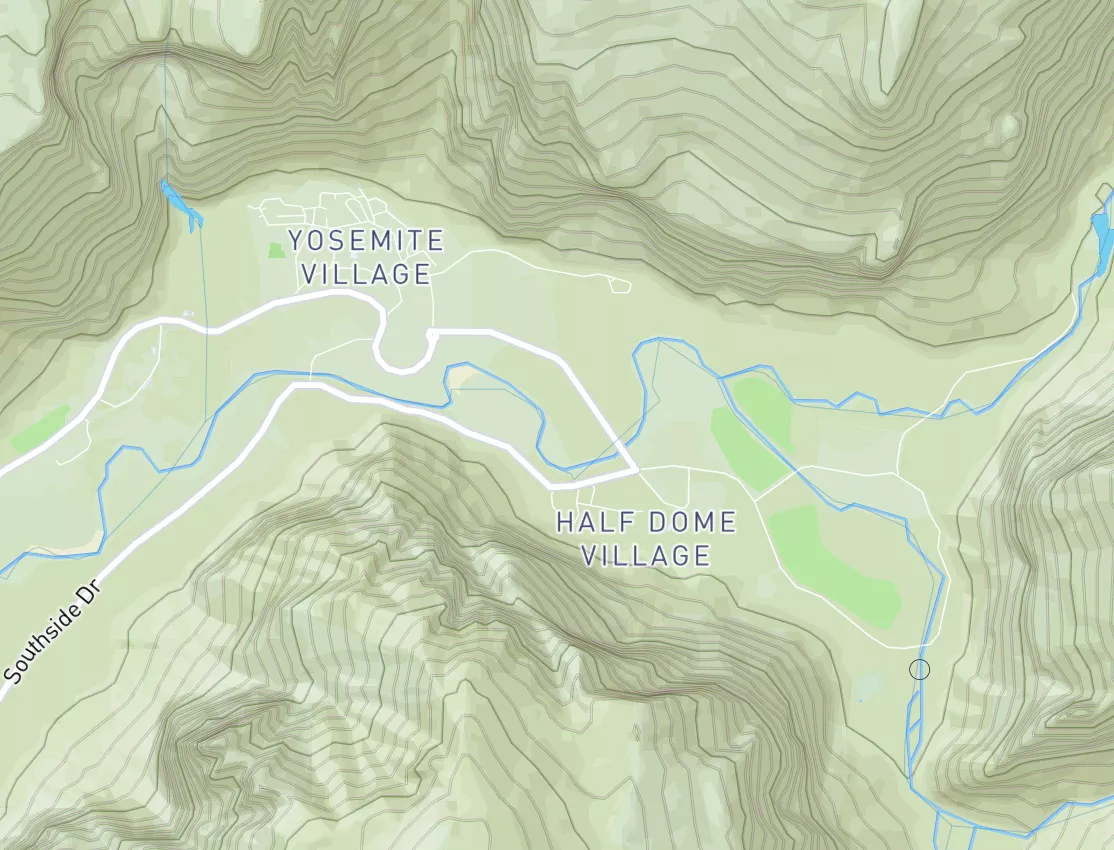

Saint Patrick's Neighborhood Plaza
Last Updated: April 24, 2026
Leave a Rating°F
°F
mph
Wind
%
Humidity
Saint Patrick's Neighborhood Plaza is a vibrant destination located in Colorado, offering a diverse range of attractions and cultural experiences.
Summary
The plaza is a must-visit for anyone seeking a unique and lively atmosphere. Here are some key points of interest, interesting facts, and the ideal time to visit:
Points of Interest:
1. Cultural Diversity: Saint Patrick's Neighborhood Plaza celebrates Colorado's multicultural heritage, bringing together various ethnicities, traditions, and cuisines.
2. Farmer's Market: The plaza hosts a lively farmer's market, where visitors can explore a wide array of fresh produce, local crafts, and artisanal goods.
3. Festivals and Events: Throughout the year, Saint Patrick's Neighborhood Plaza hosts numerous festivals, highlighting different cultural celebrations, live performances, and entertainment.
4. Public Art: The plaza is adorned with captivating public art installations, showcasing the creative talents of local artists.
5. Community Activities: The plaza serves as a hub for community activities, including outdoor concerts, movie screenings, and recreational gatherings.
Interesting Facts:
1. Founded in 2008: Saint Patrick's Neighborhood Plaza was established to foster unity and celebrate the rich cultural heritage of Colorado's communities.
2. Community-Driven Design: The plaza was designed with input from local residents, ensuring it reflects their vision and needs.
3. Green Spaces: The plaza features beautifully landscaped green spaces, providing a serene setting to relax, socialize, and enjoy the outdoors.
Best Time to Visit:
The ideal time to visit Saint Patrick's Neighborhood Plaza is during the summer months. Colorado's mild summer weather allows visitors to fully experience the vibrant atmosphere, enjoy outdoor events, and explore the farmer's market. However, it is advisable to check the plaza's event calendar to plan your visit according to specific festivals or activities that may interest you.
Please note that while this summary is based on information from several independent sources, it is always recommended to verify the details from official websites or local tourism authorities for the most accurate and up-to-date information.
15-Day Long Term Forecast
5-Day Hourly Forecast Detail
Park & Land Designation Reference
Large protected natural areas managed by the federal government to preserve significant landscapes, ecosystems, and cultural resources; recreation is allowed but conservation is the priority.
State Park
Public natural or recreational areas managed by a state government, typically smaller than national parks and focused on regional natural features, recreation, and education.
Local Park
Community-level parks managed by cities or counties, emphasizing recreation, playgrounds, sports, and green space close to populated areas.
Wilderness Area
The highest level of land protection in the U.S.; designated areas where nature is left essentially untouched, with no roads, structures, or motorized access permitted.
National Recreation Area
Areas set aside primarily for outdoor recreation (boating, hiking, fishing), often around reservoirs, rivers, or scenic landscapes; may allow more development.
National Conservation Area (BLM)
BLM-managed areas with special ecological, cultural, or scientific value; more protection than typical BLM land but less strict than Wilderness Areas.
State Forest
State-managed forests focused on habitat, watershed, recreation, and sustainable timber harvest.
National Forest
Federally managed lands focused on multiple use—recreation, wildlife habitat, watershed protection, and resource extraction (like timber)—unlike the stricter protections of national parks.
Wilderness
A protected area set aside to conserve specific resources—such as wildlife, habitats, or scientific features—with regulations varying widely depending on the managing agency and purpose.
Bureau of Land Management (BLM) Land
Vast federal lands managed for mixed use—recreation, grazing, mining, conservation—with fewer restrictions than national parks or forests.
Related References
Area Campgrounds
| Location | Reservations | Toilets |
|---|---|---|
 Standley Lake
|
||
 Tipi Village
|
||
 Chief Ouray Group Site
|
||
 Cherokee Group Site
|
||
 Arapahoe Group Site
|
||
 Bear Creek Lake Park
|
 City Of Cuernavaca Park
 Franco (Bernabe Indio)
 Commons Park
 Ciancio Park
 Fishback Park
 Sloan Lake
 Berkeley Lake
 Carl Park Pond
 Lowell Ponds
 Barnum Park Lake
 Continue with Snoflo Premium