Galena Summit Snow Report
Galena Summit at a glance
How the snowpack at Galena Summit looks right now, where the station sits on the map, and its key details.
Galena Summit reports 1.0″ of new snowfall today, raising snowpack levels to 1 inches. Snowpack depth is 50% of normal, which is below normal for this time of year. The mountain is perched in Idaho at an elevation of 8,780ft, where the air temperature is about 62°F right now.
Seasonal average snowpack on this calendar day is 2 inches across the station's full record. Below-normal snowpack like this typically translates to a thinner spring runoff downstream and earlier snowmelt -- worth watching for downstream water-supply forecasts.
Over the next 5 days, the snowpack at Galena Summit is expected to hold near today's 0.0 inches of snow-water equivalent, toward roughly 0.1 inches by 2026-10-14.
For real-time and historical context, see the realtime view or the historical comparison. Browse other stations in the Idaho snow report.
How does this compare to past years?
Year-over-year percentile bands, every recorded powder day, and the deepest snowpack on record each water year at this station.
Weather Forecast
Next 5 days, hour by hour
Temperature line with weather symbols on top, snow + rain accumulation as columns, humidity as a dotted line.
5-day forecast table
Every 3 hours, broken out across temperature, snow, rain, humidity, and wind.
| Time | Condition | Temp (°F) | Snow (in) | Rain (in) | Humidity (%) | Wind (mps) | Wind dir |
|---|---|---|---|---|---|---|---|
| Loading detailed forecast… | |||||||
15-day temperature & snow
Daily temperatures, snow, and rain projected over the next two weeks.
Galena Summit
Galena Summit, located in the Sawtooth Mountains of Idaho at an elevation of 8,701 feet, experiences an average annual snowfall of 204 inches. The average peak snowpack is around 48 inches. This snowpack provides crucial water resources to downstream rivers, creeks, and reservoirs, including the Salmon River and Alturas Lake. The area is home to several ski resorts, including Sun Valley and Soldier Mountain. Climate trends in the region have shown a decrease in snowpack over the past few decades, likely due to rising temperatures and changes in precipitation patterns. This has significant implications for the hydrology of the area and the availability of water resources. Understanding snowpack dynamics in the Sawtooth Mountains is critical for managing water resources and ensuring the sustainability of downstream ecosystems.
1. Hiking: Galena Summit is surrounded by numerous hiking trails with varying difficulties and scenic views. Popular trails include the Galena Summit Trail, which offers panoramic views of the Sawtooth Mountains, and the Goat Lake Trail, which leads to a beautiful alpine lake. 2. Fishing: The nearby Salmon River is a popular spot for fishing, with opportunities to catch trout, salmon, and steelhead. Anglers can also try their luck at fishing in nearby lakes such as Alturas Lake and Little Redfish Lake. 3. Camping: There are several campgrounds near Galena Summit, including the Alturas Lake Campground and the Sawtooth National Recreation Area. Campers can enjoy the peaceful surroundings and starry nights while staying in the great outdoors. 4. Mountain biking: The area around Galena Summit offers numerous mountain biking trails for all skill levels. The Fisher Creek Trail is a popular route that offers stunning views of the surrounding mountains and forests. 5. Rock climbing: The rugged terrain near Galena Summit provides opportunities for rock climbing enthusiasts. The Elephant's Perch and the Finger of Fate are popular climbing destinations with challenging routes and breathtaking views. 6. Wildlife viewing: The Sawtooth National Recreation Area is home to a variety of wildlife, including elk, deer, and eagles. Visitors can take guided wildlife tours or simply explore the area on their own to spot these magnificent creatures in their natural habitat.
Nearby snowpack depths
Cross-check whether Galena Summit's snowpack is a one-off accumulation or a regional storm cycle.
| Station | Snowpack |
|---|---|
| Galena Summit | 1 in |
| Nohrsc Galena Summit | 1 in |
| Nohrsc Galena | 2 in |
| Galena | 1 in |
| Nohrsc Chocolate Gulch Snotel | 0 in |
| Vienna Mine | 0 in |
Recreation near Galena Summit
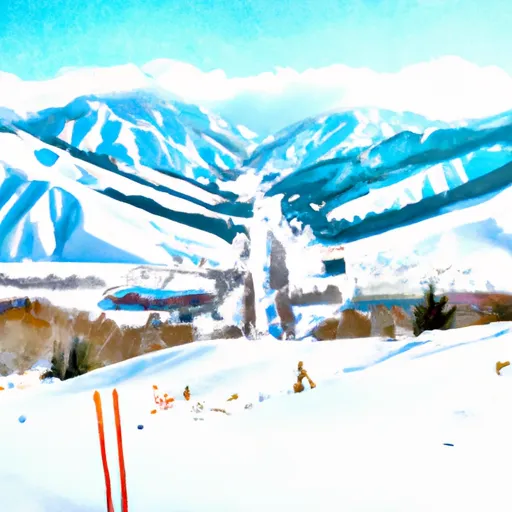
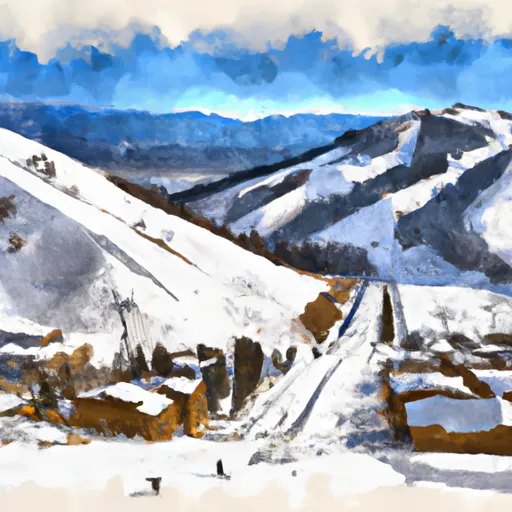
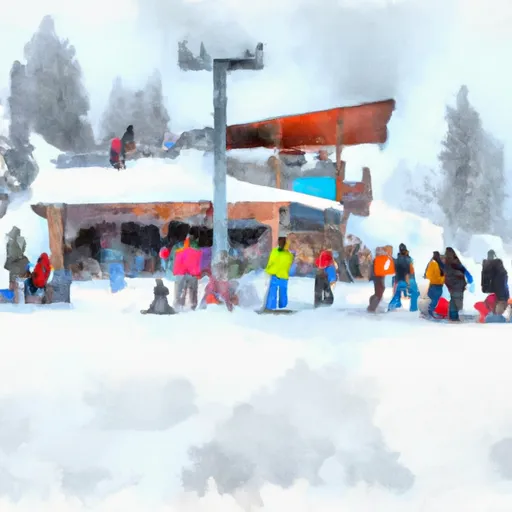
Ski areas, reservoirs, paddle runs, campgrounds, and fishing access within driving distance.
Ski areas
See all →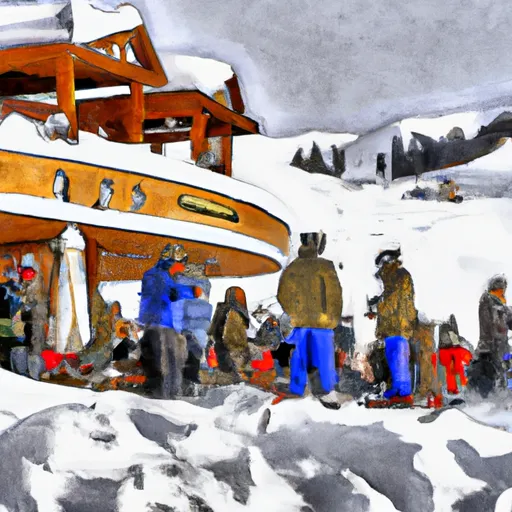


Mountain & avalanche safety
- Know before you go
- Check today's avalanche bulletin from the regional avalanche center before any backcountry / side-country travel. Conditions can shift dramatically between morning and afternoon on storm days.
- Carry the gear, know how to use it
- Beacon, shovel, probe. Practice companion rescue on a calm day, not during a real burial.
- Mind the weather window
- Heavy snow + wind builds wind slabs at ridgelines. The day after a storm is often the riskiest in the backcountry.
- Read the snowpack
- A weak, faceted, or wind-loaded snowpack — like the depth and trend shown above — is exactly what feeds slab avalanches. Dig a pit or check the bulletin before committing to steep terrain.
Track Galena Summit in the Snoflo app
Save this station as a favorite, set push alerts when snowfall crosses a threshold (e.g. "alert me when Galena Summit reports 6″ new"), and Snoflo's iOS app will push the moment the SNOTEL station crosses.
About Galena Summit
Where does the snow data for Galena Summit come from?
Snowpack depth, SWE, snowfall, and air temperature come from the NRCS SNOTEL station 490. Forecast comes from the NOAA / yr.no feed Snoflo's iOS app uses.
How often is the report updated?
NRCS SNOTEL stations report continuously (typically hourly). Snoflo refreshes throughout the day; check the "as of" timestamp on the snowpack hero card.
What's the difference between snowpack depth and SWE?
Snowpack depth measures how tall the snow is. SWE (snow water equivalent) measures how much WATER is in that snow. SWE matters more for hydrology and ski-season prediction since dry powder packs less water than wet/spring snow at the same depth.
How is "% of normal" calculated?
Today's snowpack is compared to the historical average snowpack on this calendar day across the station's full record. 100% = right on average; 130% = a big year; 60% = a thin year.
Can I get alerts when fresh snow hits?
Yes -- snow alerts are managed in the Snoflo iOS app. Favorite this station, set a snowfall threshold (e.g. "alert me when 6+ inches"), and you'll get a push the moment NRCS reports the crossing.
Create a free account, or sign in.
Get the free Galena Summit report — alerts, favorites, and history & forecasts, plus the free iPhone app.